
When in the squash vine borer life cycle does prevention matter most?
Prevention matters most during the adult egg-laying phase and the immediate egg hatching window, right before the tiny larvae bore into the vine stem. Once the squash vine borer chews its way inside the plant, any contact control you try to use becomes completely useless.
What is actually going on
Picture walking out to your vegetable patch on a bright morning to admire a dark green, vigorous zucchini plant spreading massive leaves across the soil. You come back out around two in the afternoon to check on things, and the entire bush is lying flat on the ground, looking like a deflated balloon. You assume it just needs a deep drink of water, but even after a thorough soaking, it refuses to perk up. What you are looking at is the handiwork of the squash vine borer, and if you want to stop it, prevention has to happen long before you ever see that sudden collapse.
Prevention matters most during the adult egg-laying phase and the immediate egg-hatching window, right before the tiny larvae bore into the vine stem. Once that grub chews its way inside the plant, any contact control you try to use becomes completely useless. Think of a squash stem like a plastic drinking straw. When the borer tunnels through the center, it chews right through the water and nutrient pipes. No matter how much moisture your roots pull from the earth, the fluid can no longer travel upward, causing the leaves to wither and die in the heat.
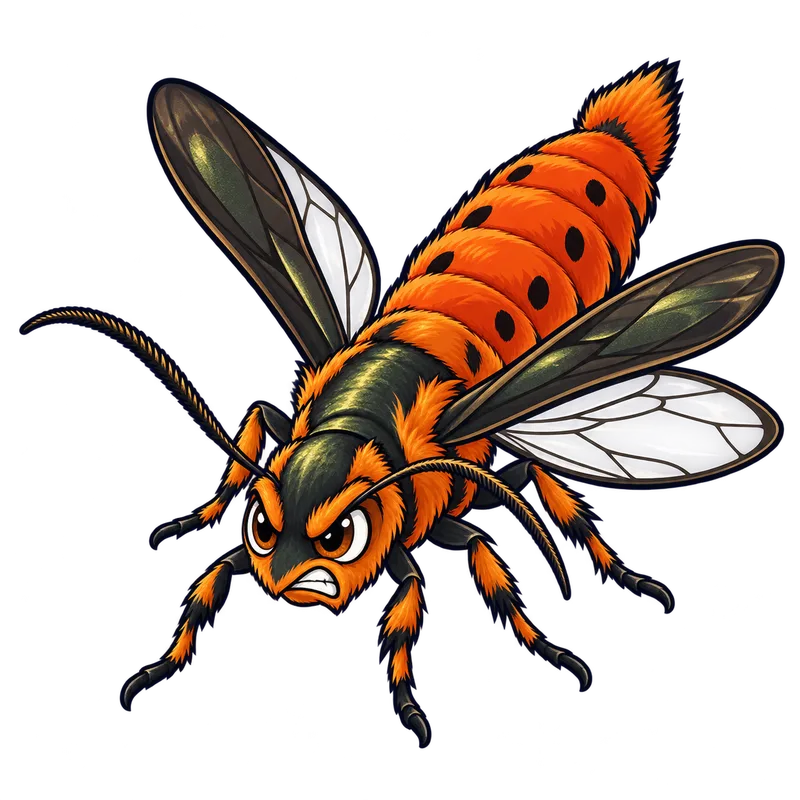
The adult pest is a day-flying clearwing moth with an orange-red abdomen and wasp-like markings, which catches many gardeners off guard because they expect a nocturnal brown moth. These moths flutter around your cucurbit crops to glue tiny, reddish-brown eggs directly onto the lower stems and leaf petioles. When those eggs hatch, the new larvae do not waste time crawling around looking for a snack. They tunnel straight into the hollow center of the stem, sealing their own protection inside a fortress of plant tissue.
How to tell for sure
Spotting the problem early usually requires getting down on your hands and knees with a keen eye before the foliage starts drooping. If you look closely at the lower twelve inches of the main stem, you can usually find tiny, oval eggs stuck to the surface, measuring about one millimeter across. Once the eggs hatch and the internal feeding begins, you will usually see a small puncture hole near the soil line accompanied by a pile of moist, greenish-yellow, sawdust-like droppings called frass.
It is easy to confuse this damage with bacterial wilt, which is a disease spread by cucumber beetles rather than borers. The quickest way to tell the difference is to inspect the base of the plant for that telltale sawdust. If you slice open a dying vine with a pocketknife, you will usually find a thick, creamy-white caterpillar with a brown head capsule wriggling around inside the cavity. If you do not see frass or a caterpillar, the sudden collapse usually points to another issue entirely, so it pays to inspect the lower stem before assuming anything.
What usually comes next
Deciding how to protect your patch has to happen before the moths ever take flight. If physical barriers sound like your best bet, you need to drape lightweight garden fabric over your seeds or young starts the exact day they go into the ground. That fabric acts like a screen door, keeping the egg-laying adults away from the lower stems. The catch is that you have to take the fabric off the moment your plants start blooming. Squash need insect pollinators to make fruit, so keeping them covered past the flowering stage guarantees you plenty of yellow blossoms and zero actual squash.
Once the covers come off, you generally have to switch to other protective steps, particularly if your garden sits in a region with heavy pest pressure. People often coat the lower stems with kaolin clay or an approved garden spray every week and a half while the moths are busy laying eggs. If you go the chemical route, you must follow the package instructions to the letter and stop spraying before harvest time. For trailing vines like pumpkins or winter squash, piling moist soil over the joints along the ground encourages new roots to sprout, giving the plant a backup lifeline if the main stem gets chewed up.
When to get help
If you are running a commercial farm and watch whole fields collapse, or if you simply cannot tell whether you are dealing with borers, a plant disease, or a nutrient shortage, reach out to your local university agricultural extension office for a diagnosis. Extension specialists know the local insect schedules and can point you toward the right regional management plan.
Never play fast and loose with safety when handling garden chemicals. If you decide to use registered insecticides around your stem bases, you must follow every word on the label regarding safety intervals and mixing limits. Never spray open flowers, because broad-spectrum sprays hitting blossoms will wipe out honeybees and native pollinators. If you accidentally spill a chemical, get it on your skin, or breathe in fumes while mixing, get medical help right away or call your local poison control center.