
What should you check before treating bagworms on a tree?
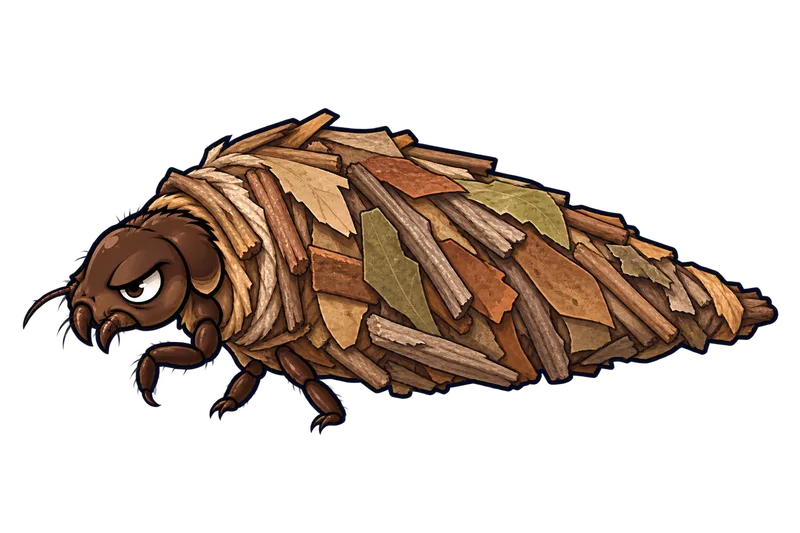
Before treating bagworms on a tree, you must check the size of the cases, whether the caterpillars are inside and eating, and how heavy the infestation is. You also need to confirm if the cases are smaller than half an inch and read the product label.
What is actually going on
You are standing in the yard with a mug of coffee, staring up at your favorite arborvitae. Yesterday the foliage looked fine, but today you notice dozens of little brown cones dangling from the twigs. They look like stray pinecones or discarded debris at first, but then one of them twitches. That is when you realize your tree is wearing a mobile colony of tiny armored caterpillars. Before you grab a sprayer from the garage and start blasting the canopy, you need to hit the pause button. Treating these pests is not just a matter of dousing the branches in poison. If you jump straight to spraying without checking a few critical details first, you might waste an afternoon, burn a hole in your wallet, or accidentally kill the very bugs that were trying to help your tree.
The main thing to understand is that bagworms are not ordinary caterpillars. They build themselves a custom mobile sleeping bag out of silk and bits of the host plant, carrying it everywhere they go. As they grow, this case gets tougher, thicker, and much harder for any insecticide to penetrate. More importantly, their entire life cycle operates on a strict biological calendar. If you miss the narrow window when they are small and actively eating, any chemical or microbial spray you apply will bounce right off them like water on a raincoat.
So what demands your attention before you take action? You have to look closely at the size of those cases, figure out if the caterpillars are actually inside and eating right now, determine how heavy the infestation really is, and read the fine print on the product label. Skipping these checks usually results in a failed treatment and a heavily defoliated tree by midsummer.
How to tell for sure
Identification is usually straightforward, but the timing dictates everything. Those spindle-shaped bags hanging from the twigs are the unmistakable signature of the bagworm. If you spot them in late autumn, winter, or early spring, you are looking at overwintered cases. Squeezing one gently usually reveals a pack of tiny eggs or the remains of last year's adults. However, old bags from previous years are often left behind on the branches. They are typically empty, brittle, and pose zero threat to your tree. Do not waste time treating an old, abandoned casing.
When spring rolls around, you need to monitor the local timing of insect activity. In coastal areas and the deep Southeast, egg hatch and active feeding usually start in late May. If you live further inland or in a cooler region, that hatch pushes out to early or mid-June.
The golden rule of thumb for treatment is the half-inch marker. You have to measure or estimate the length of those newly formed bags. If the cases are smaller than half an inch and you see the caterpillars poking their heads out to munch on the leaves, the timing is right. Once those bags exceed half an inch in length, or when the caterpillars grow past an inch and a half in late summer, they stop feeding and seal up their cases to pupate. Spraying at that late stage is like trying to apply sunscreen after you already have a blistering sunburn. It is completely useless.
What usually comes next
Once you have checked out the tree and figured out what stage the pests are in, you have to decide between picking them off by hand and spraying. If you only have a few bugs on a small tree you can easily reach, put on a pair of gloves and pluck the bags right off. Drop them into a bucket of soapy water to finish the job. It is usually the cleanest and most satisfying way to handle the problem.
There is a catch you need to watch out for. When you pull a bag off a twig, make sure to cut or peel away the tough silken band wrapped around the stem. Leaving that loop behind is like tying a tight zip tie around a growing branch. As the limb gets thicker over time, that unyielding silk band will girdle the stem, choking off water and nutrients until the end of the branch dies.
If you have a heavier population on small to medium trees and the bags are still under that half inch mark, you will need to use a foliar spray. Choosing the right product takes a bit of care. Organic and biorational options, like microbial sprays, work as a targeted stomach poison. When the young caterpillars eat it, the protein disrupts their gut and stops them from feeding within hours. It is like putting out a specialized bait that targets leaf chewers while leaving visiting honey bees, ladybugs, and birds completely unharmed. Because these microbial sprays break down fast in sunlight and rain, put them on during an overcast day or in the late afternoon, making sure to get a thorough mist on the undersides of the leaves.
Resist the temptation to use broad spectrum synthetic insecticides unless you are ready for the side effects. Overusing broad spectrum sprays is a bit like removing all the security guards from a neighborhood. It wipes out the natural parasitic wasps and predatory mites that keep your yard in balance, often triggering a severe secondary outbreak of spider mites that ruins your trees even faster than the caterpillars did.
When to get help
There are times when doing it yourself stops being practical and starts becoming a hazard to your property or your health. If the infestation is sitting high up in the canopy of a tall shade tree, step away from the hand pump sprayer. Trying to treat towering trees from the ground usually results in poor coverage, heavy chemical drift, and potential exposure to concentrated pesticides. High canopy spraying requires specialized high pressure equipment, backpack mist blowers, and proper personal protective gear operated by a licensed professional.
You should also consult a certified arborist or your local university extension office if the tree has suffered severe, multi year defoliation that threatens its survival, or if you are unsure how your specific ornamental plants will react to a treatment. Certain tree species react poorly to specific active ingredients or horticultural oils, suffering severe foliage damage as a result. When in doubt, bring in someone who has the right rig and the proper training to handle the job safely.