
When do browntail moth winter webs become visible in Maine?
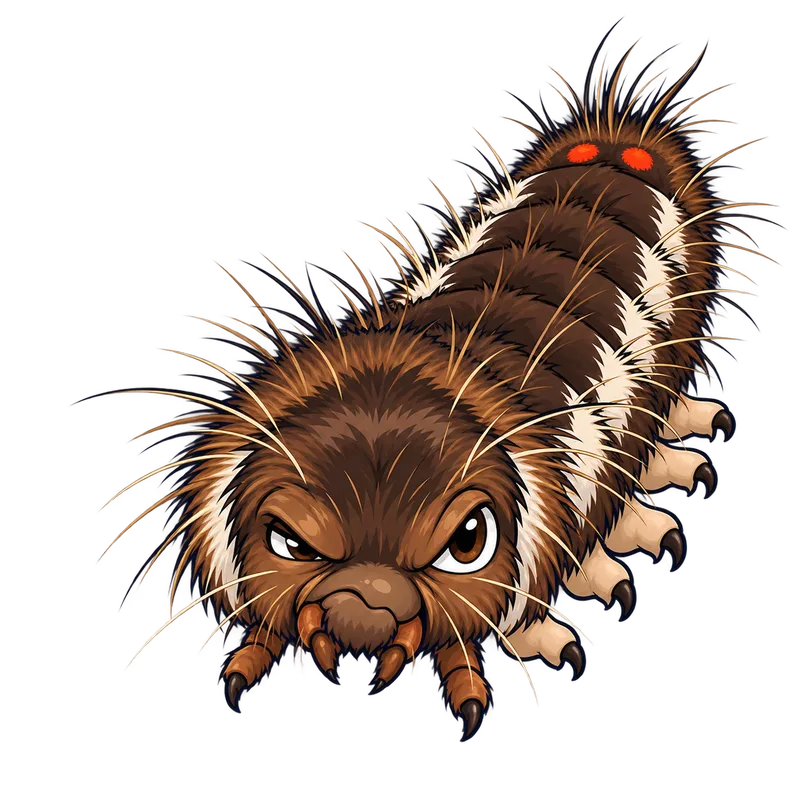
Browntail moth winter webs become visible in Maine right around November, staying plainly in view until the caterpillars crawl back out in April. This visibility happens because the trees drop their uninfested leaves in October and November, leaving the bright white silk nests stranded on bare wood.
What is actually going on
Picture walking through your backyard on a crisp, sunny February morning. Standing with the bright winter sun at your back, you look up at the very top branch tips of your oak or apple tree, and you notice a few small, silvery white packets gleaming against the bare blue sky. Those bright white splotches are browntail moth winter webs, and they become visible in Maine right around November, staying plainly in view until the caterpillars crawl back out in April.
You might wonder why these webs suddenly seem to appear out of nowhere as the weather turns cold. The truth is that the caterpillars actually build them much earlier, usually between late August and October, while the trees are still in full leaf. Back in late summer, hundreds of tiny, newly hatched larvae gather at the very tips of the branches to spin a communal home. But because the summer foliage is still dense and green, the silky nests remain hidden behind a canopy of leaves.
The real reveal happens during late autumn. Once the trees drop their uninfested leaves in October and November, those silk bound nests are left stranded on bare wood. The bright white silk reflects the winter sun, creating a high visual contrast against the sky that makes the nests pop out from a distance.
Why do the leaves stay attached to the nest in the first place? The caterpillars do something rather clever when they build the structure. They do not just spin silk over a leaf and call it a day, but instead extend their silk down the leaf stem and wrap it tightly around the woody twig. This petiole wrapping acts like a natural anchor, keeping the dead brown leaves from dropping off during autumn storms and giving the colony a sturdy, weatherproof shelter for the cold months ahead.
How to tell for sure
Spotting a suspicious clump of silk in a tree does not automatically mean you are looking at a browntail moth nest, because other insects leave behind similar looking signs. To know for sure, you usually need to look at both the location and the structural details of the nest itself.
Browntail moth winter webs are relatively small, usually measuring about 2 to 5 inches long. They are built exclusively at the extreme outer tips of twigs in the upper, sunlit canopy of broadleaf trees like oaks, apple trees, crabapples, cherry trees, and rugosa roses. You will not find them tucked into main tree trunks or sitting down in large branch crotches. When you look closely, you should see tight, bright white silk binding the dead, skeletonized leaves securely to the twig.
It helps to know what you are not looking at. People frequently confuse these winter webs with expired fall webworm nests. Fall webworm webs are much larger, measuring anywhere from 3 to 10 inches across, and they look like messy, loose blankets of silk and debris draped over branch forks rather than neat packages at the twig tips. More importantly, fall webworm nests are completely empty by winter, whereas a browntail web contains dozens or even hundreds of tiny, hairy caterpillars packed tightly inside.
You might also think of the eastern tent caterpillar, but those pests build their silky tents in the spring and they always place them in the crotches of branches, never at the very tips of the twigs. If you see a compact, 2 to 5 inch white silk packet firmly anchored to the absolute end of a bare twig on an oak or fruit tree in January, you are almost certainly looking at a browntail moth web.
What usually comes next
Once you spot these webs hanging in your trees, you have to decide what to do about them before spring arrives. The most practical and effective step for homeowners is mechanical removal, which simply means clipping the nests off the branches while the caterpillars are still dormant inside.
Timing matters quite a bit here. University extension entomologists usually point to mid-winter, particularly February, as the sweet spot for this chore. The leaves are gone, the webs stand out clearly, and the caterpillars are safely tucked away and immobile. If you wait until April, the weather warms up, the caterpillars chew their way out of the silk, and your chance to remove the colony before they start skeletonizing your trees and shedding those miserable toxic hairs is gone.
If the webs are within reach on small ornamental trees or low shrubs, you can use sharp hand pruners or long-reach pole pruners to clip the twig just an inch or two below the silken nest. But here is the catch that trips up many people: you cannot just drop the clipped nest onto the ground and walk away. Cold weather does not kill the caterpillars inside. If you leave a clipped web on the lawn, the insects will survive the winter and simply crawl back up the tree trunk when spring arrives.
You have to destroy the nests immediately after clipping them. The two approved methods are submerging the clipped nests in a bucket filled with water and liquid dish soap for 24 to 48 hours, or burning them completely in a wood stove or outdoor fire pit.
When to get help
While clipping a few low-hanging webs with a pair of pole pruners is a manageable weekend task, there comes a point where you need to call in outside assistance.
Tree height presents the most immediate physical limitation. If your infested trees are mature oaks soaring 50 to 100 feet into the air, ground-level pruning is impossible, and trying to balance on a tall ladder with a pole pruner near power lines is a fast track to the emergency room. For high canopy infestations, you should contact a licensed arborist who has the proper bucket truck equipment or specialized aerial tools to reach the outer branch tips safely.
You also need to think about your own physical safety and health limits. The tiny, microscopic hairs shed by these caterpillars contain a toxin that causes severe contact dermatitis and respiratory distress, and those hairs can remain toxic in dry environments for up to 3 years. If you must prune webs or clean up yards under infested trees, you need to wear protective coveralls, safety goggles, heavy gloves, and a proper respirator, preferably on a damp or wet day when the hairs are less likely to float into the air.
If you or someone in your household experiences severe reactions, you should know when to seek medical care. While mild rashes often respond well to cool showers, calamine lotion, or over-the-counter hydrocortisone cream and antihistamines, inhalation of the toxic hairs can trigger serious respiratory trouble. If anyone in your home experiences difficulty breathing, difficulty swallowing, or swelling around the mouth, tongue, or throat, treat it as a medical emergency and seek professional evaluation immediately. For large-scale chemical treatments of heavily infested trees, leave the application to licensed commercial pesticide applicators who follow strict product label guidelines.