
How can you inspect tomato plants for hornworm feeding?
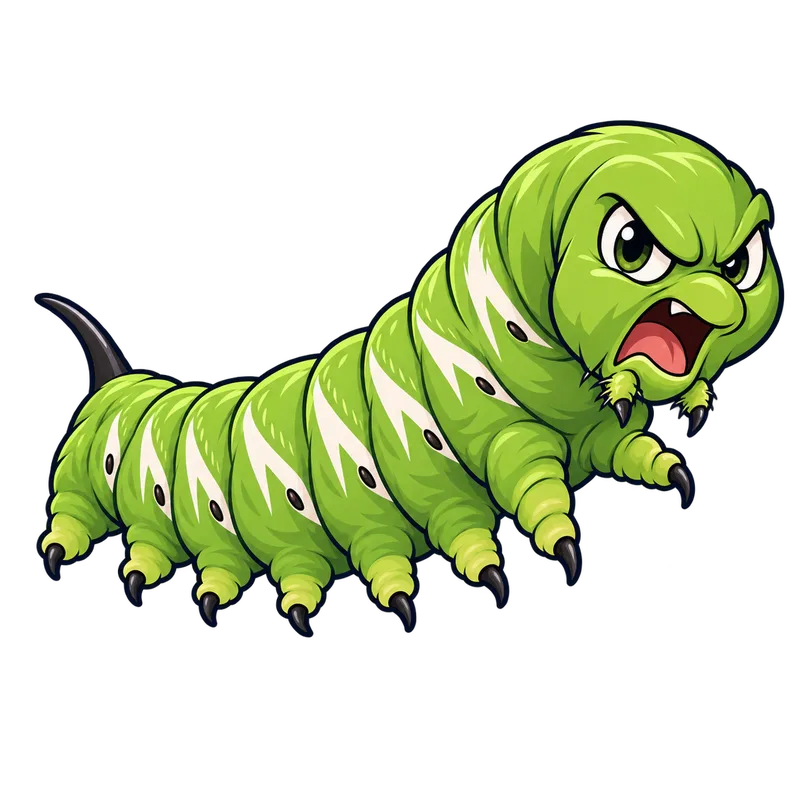
To inspect tomato plants for hornworm feeding, scan the upper third of the plant for stripped stems, heavily chewed leaves, and gouged green fruit. Then search for a massive green caterpillar up to four inches long wearing diagonal side stripes and a single rear horn. You can also trace their dark, cylindrical droppings on lower leaves straight up to find them hiding in the canopy.
What is actually going on
You walk out to the garden with your morning coffee, ready to check on those prized heirloom tomatoes, and suddenly notice that a whole branch near the top has been stripped down to bare, pathetic little sticks. It looks like a lawnmower clipped the upper canopy overnight. Naturally, you assume some creature just parachuted in hours ago and laid waste to your harvest.
To inspect tomato plants for hornworm feeding, you need to systematically scan the upper third of the plant for stripped stems, heavily chewed leaves, and gouged green fruit, then search for a massive green caterpillar up to four inches long wearing diagonal side stripes and a single rear horn. The frustrating thing about these caterpillars is how they manage to stay completely invisible until they do maximum damage.
They operate much like a teenager during a growth spurt, quietly nibbling away and eating almost nothing during their early life stages. Because the plant grows faster than those tiny bites consume it, you never notice them. But once they reach their final growth stage, their appetite explodes. They consume roughly 90% of their total foliage intake right before pupating, which creates the widespread illusion that a swarm of pests descended on your garden overnight.
Those early bites are usually hidden by rapid plant regrowth anyway. By the time you spot the damage, the caterpillars have grown from skinny threads into thick, four-inch monsters that blend in so well with the stems they look like part of the vine. Finding them takes a deliberate eye and a bit of patience.
How to tell for sure
Start your inspection right at the top of the plant because these critters usually prefer succulent, high-nitrogen shoots. Look closely at the upper leaves and stems for major defoliation, skeletonized leaves, and direct chewing damage on the green fruit itself. If you spot large, dark, cylindrical fecal pellets resting on the lower leaves, look straight up. That droppings trail usually points right to the culprit hiding in the canopy above.
When you finally spot the caterpillar, you need to confirm its identity. Two main species typically attack tomatoes in North America: the tobacco hornworm and the tomato hornworm. Both feature bright green bodies growing up to four inches long, prominent diagonal white lines along their sides, and a rigid, horn-like projection on the rear end.
Do not mistake them for other garden visitors. The parsleyworm looks somewhat similar with its bands and fake horns, but those project from behind its head, and it feeds on carrots and dill rather than tomatoes. Also check the hornworm for small, white, cottony cocoons sticking out of its skin like grains of rice. These are the pupal cocoons of beneficial braconid wasps. If you see those white bumps, the caterpillar is already doomed and acting as a nursery for your garden allies, so leave it be.
What usually comes next
Once you have figured out what is munching your crop and checked the back of the caterpillar for any fuzzy white wasp cocoons, you have to decide what to do next based purely on how large the creature has grown. If the hornworms are still quite small, meaning they measure under half an inch long, a microbial spray made from Bacillus thuringiensis can work nicely. This specific soil bacteria acts as a stomach poison that the caterpillar must actually swallow, which shuts down its digestion and stops its feeding within hours before finishing the job in a couple of days.
If your caterpillars happen to be larger than half an inch, those same microbial and chemical sprays usually stop working well. Spritzing a massive four-inch monster with a bacteria spray is basically a waste of your afternoon and your money. At that robust size, pulling them off by hand is the most reliable remedy. Slip on a pair of garden gloves, pinch the caterpillars right off the stem, and drop them into a bucket filled with soapy water.
Always keep basic safety in mind while you sift through the wet foliage. Blister beetles occasionally gather on the very same tomato plants, and brushing against them with bare skin can trigger painful blisters. Wearing simple work gloves prevents an unpleasant surprise. If you decide to use commercial insecticides instead of picking the pests off by hand, always check the product label for the required waiting period between spraying your plants and harvesting your ripe tomatoes.
When to get help
Most hornworm invasions stay entirely manageable with routine scouting and a bit of handpicking, but certain situations call for outside expertise. If you spot symptoms that do not match standard leaf chewing, such as severe leaf curling, stunted growth, or strange yellowing across entire rows of plants, reach out to your local agricultural extension office for a proper diagnosis.
If you happen to splash concentrated commercial pesticides into your eyes or experience severe skin irritation while applying them, contact poison control or seek medical attention right away. When dealing with heavily regulated agricultural pests or suspected quarantine organisms in areas with strict biosecurity laws, commercial growers need to notify the appropriate plant health authority instead of trying home remedies.