
How can you check a squash plant stem for borer damage?
To check a squash plant stem for borer damage, inspect the first foot of the main stem near the soil line for soft spots. Look for tiny round entry holes accompanied by piles of frass that look like wet sawdust.
What is actually going on
Imagine walking out to the garden on a warm Tuesday afternoon and noticing that one of your prize zucchini plants looks like it forgot how to drink. The leaves are flat, limp, and sad against the dirt, even though you just watered the soil deep this morning. Most people assume the plant is simply thirsty and grab the hose, but when you come back an hour later and nothing has perked up, you are likely looking at a squash vine borer.
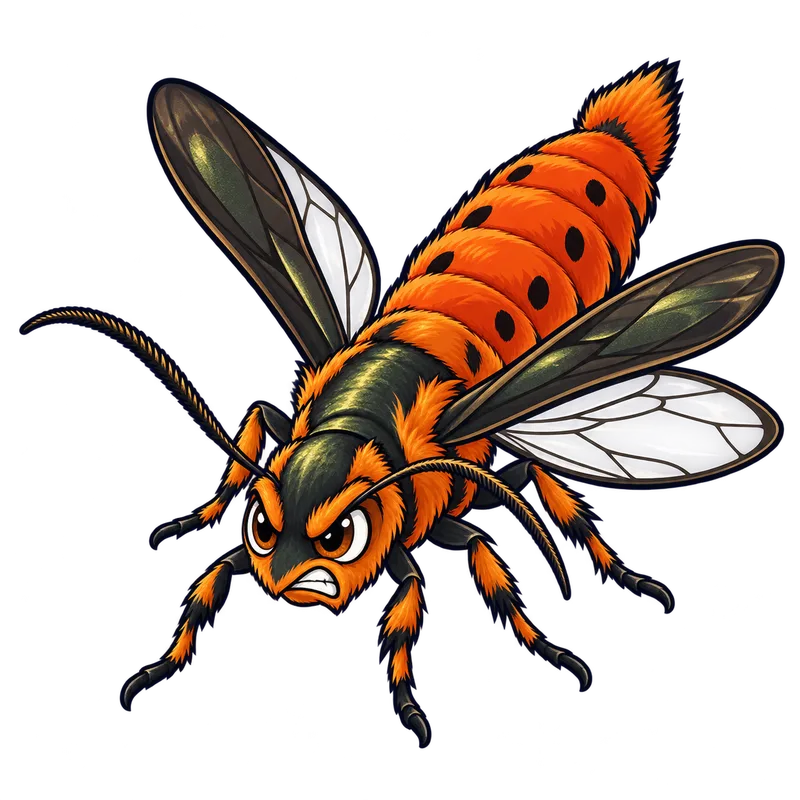
What is actually happening is a quiet internal siege. A moth about the size of a wasp, with bright orange and black markings, flew over your garden weeks ago and glued a tiny flat egg to the base of your squash vine. That egg hatched into a caterpillar that wasted no time chewing right through the outer skin of the stem. It has been tunneling up and down inside the main stem ever since, eating away the water and nutrient pipes while protected from the weather and most predators.
Checking for this kind of damage is less about guesswork and more about knowing what clues to track down at the base of the plant. If you want to catch the problem before the vine collapses completely, you have to get down on your hands and knees and inspect the lower inches of that stem. You are looking for physical evidence that a caterpillar has set up camp inside the plant tissue.
How to tell for sure
Start your inspection right at the soil line and work your way up the first foot of the main stem, because that is where the moths usually lay their eggs. Run your fingers gently around the circumference of the vine to check for soft spots. A healthy squash stem is firm and rigid, but a borer-infested stem usually feels squishy, hollow, or slightly flattened when you press it.
Look closely at the surface of the vine for tiny round entry holes. Right outside these holes, you will usually find a pile of frass, which is the insect waste mixed with chewed plant fibers that looks remarkably like wet sawdust or coarse meal. This crumbly debris is your smoking gun. If you see sawdust-like pellets spilling out of a small hole near the base of a wilting zucchini, pumpkin, or winter squash, you have confirmed a borer infestation.
It is easy to mix this up with other garden frustrations, of course. Squash bugs can also cause wilting through their heavy sap-sucking feeding, and cucumber beetles sometimes spread bacterial wilt that drops a plant flat. But neither of those pests bores an internal gallery through the stem or leaves behind piles of extruded frass at ground level. If the stem is intact and solid with no holes or frass, look for other culprits, but if you see that sawdust trail, you have your answer.
What usually comes next
Finding borers inside your squash stems forces you to make a practical choice about the rest of the growing season. For sprawling vining varieties like pumpkins or winter squash, you can often keep the plant alive by mounding a shovelful of moist soil over the running vine at intervals of every six feet or so. This trick encourages the plant to grow secondary roots directly into the ground at those joints, which keeps the foliage and fruit supplied with water and nutrients even if the main stem base is badly chewed up.
Compact bush types do not put out trailing runners, so mounding soil around them will not work, leaving you to decide whether to pull the ruined plant or try a rescue. Some gardeners attempt to slice the stem lengthwise with a razor blade to fish out the caterpillar before burying the injured stem back in the dirt, but that is a risky gamble on a plant that is already weak. Should you decide to use treatments to protect neighboring plants that are still healthy, remember that any pesticide or organic control needs to go on right when you spot that initial damage and typically requires follow-up applications.
Always check the product label for the mandatory pre-harvest interval to make sure enough time passes between spraying and eating your vegetables. If you plan to use row covers next year to block the moths early on, remember they must come off the moment the first flowers open so the bees can get inside to pollinate.
When to get help
Most borer problems can be handled right in the backyard with careful observation and timely garden chores, but certain situations call for outside expertise. If you run a larger market garden or a commercial farm and notice widespread crop collapse that does not match typical borer damage, or if you suspect regulated quarantine pests or strange plant diseases are spreading through your squash beds, reach out to your local university extension service or state department of agriculture.
They can run official diagnostic tests to rule out aggressive pathogens. Always follow safety rules when handling garden chemicals, and consult a qualified professional if you are ever unsure about proper application rates or personal protective equipment requirements listed on pesticide labels.