
What are the early signs of squash vine borer damage?
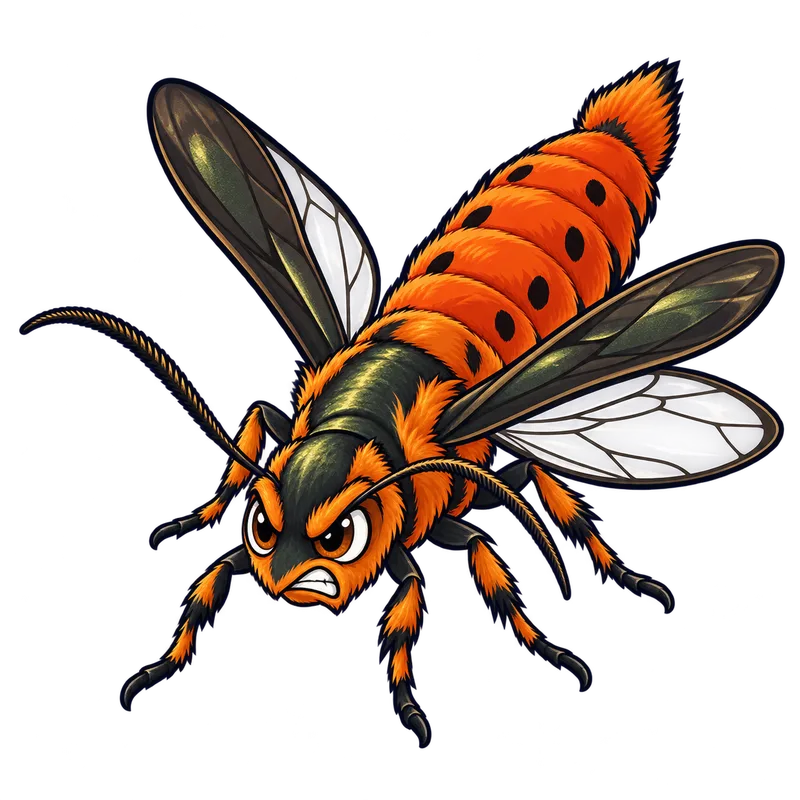
The earliest sign of squash vine borer damage is localized wilting on just one runner or a few leaves during warm daylight hours while the rest of the plant looks fine. If you check the basal six inches of the main stem right near the soil line, you may spot tiny entry holes, piles of sawdust-like frass, or slight swellings.
What is actually going on
You walk out to the garden at two o’clock on a scorching July afternoon, and one of your prized zucchini plants looks distinctly unhappy. A single leaf or runner has gone limp and dropped flat, as if someone forgot to turn the sprinkler on. You assume the soil got too dry under the summer sun, so you grab the hose and soak the bed, figuring everything will bounce right back. By the next morning, that drooping leaf actually looks normal again, lumping you into a false sense of security. But what is really happening beneath the soil line has nothing to do with thirst.
An adult clearwing moth, which looks a bit like a wasp with clear wings, spent the early morning cruising low over your garden and gluing tiny eggs directly onto the base of your squash stems. Once those eggs hatched, tiny larvae immediately chewed their way inside the plant. Think of it like a garden hose with a heavy boot pressed down hard on the middle. Water still enters through the roots, but the internal tunnel carved by the borer chokes off the supply before it reaches the leaves. That is why the foliage flags during the peak heat of the day when the plant needs moisture the most, only to appear deceptively revived once the sun goes down and the demand drops.
This internal feeding is what makes the squash vine borer such a frustrating neighbor in the vegetable patch. While other pests chew on the outside where you can spot them right away, this one operates entirely out of sight, hollowing out the vascular system until the damage is permanent. By the time an entire vine collapses into a mushy, brown wreck, the caterpillar is usually fat, happy, and close to finishing its meal. Catching the trouble early means looking past the soil moisture and focusing strictly on the condition of individual runners while the rest of the plant still looks vigorous.
How to tell for sure
The earliest sign of trouble is usually localized wilting on just one runner or a few leaves while the rest of the squash plant looks completely fine. If you notice that specific flag-like droop during warm daylight hours, get down on your hands and knees with a flashlight or a magnifying lens and check the basal six inches of the main stem, right near the soil line. You are looking for tiny entry holes, small piles of sawdust-like droppings called frass, or slight swellings and discoloration on the stem.
People often confuse this damage with a few other common garden headaches, so it pays to double-check. Squash bugs can also cause leaves to wilt, but those insects stay on the outside, sucking sap in groups and leaving clusters of coppery-brown eggs on the undersides of leaves instead of boring holes. Bacterial wilt, spread by cucumber beetles, makes a plant crash rapidly without leaving a single entry hole or speck of frass. If you want to be completely certain you are dealing with a vine borer, take a sharp knife and carefully slit the wilting stem lengthwise. If you find an internal feeding gallery packed with wet frass and a cream-colored caterpillar with a brown head, you have your culprit.
What usually comes next
Once you spot that first wilting runner, you have to move quickly because the window for saving the plant is narrow. If you grow long, running varieties like pumpkins or winter squash, you can use a clever trick to help the plant survive. Shovel a few inches of moist garden soil directly over several vine joints every six feet along the runner. This encourages the plant to set down backup roots at those nodes, which keeps water flowing even if the main crown takes a heavy hit from internal borers.
For future plantings or next season, timing is everything. Many growers in temperate regions delay planting their squash, pumpkins, and cucumbers until mid-June, which neatly bypasses the peak adult moth flight and egg-laying window in late spring. If you prefer to plant earlier, you can drape lightweight floating row covers over your beds right at planting time to physically block the moths. Just remember that those covers have to come off the exact moment the first yellow blossoms open. If you leave a blanket over blooming squash, bees cannot get inside to pollinate, and you will end up with zero fruit.
When cultural methods are not enough and you need to protect a heavily pressured crop, treatment timing dictates your success. Pesticides or approved organic barriers like kaolin clay must be applied at the very first sign of stem entry or localized wilt, rather than waiting for a full-blown collapse. Because new moths keep emerging and pests continue to hatch, you usually have to repeat applications every 10 days throughout the active growing season. Always check the specific product label to verify wait times before harvesting your vegetables.
When to get help
Sometimes a pest problem outgrows the backyard garden, or the symptoms do not quite add up to a standard diagnosis. If you notice widespread vine collapse across crops that are not even part of the gourd family, or if your regular treatment schedule fails completely despite following the label instructions to the letter, it is time to reach out for local expertise. Contact your county university extension agent or a regional agricultural specialist to get an accurate diagnosis, especially if you suspect an unusual pest or disease is moving through your area.
Always treat pesticide safety with strict respect. Federal and state regulations mean the product label is the law, so never apply insecticides to blooming crops while bees are actively foraging, never guess at the concentration, and always respect the pre-harvest interval listed on the container. Keeping your garden productive is important, but doing it safely keeps your soil, your pollinators, and your family out of harm's way.