
What can an oak processionary moth rash mean?
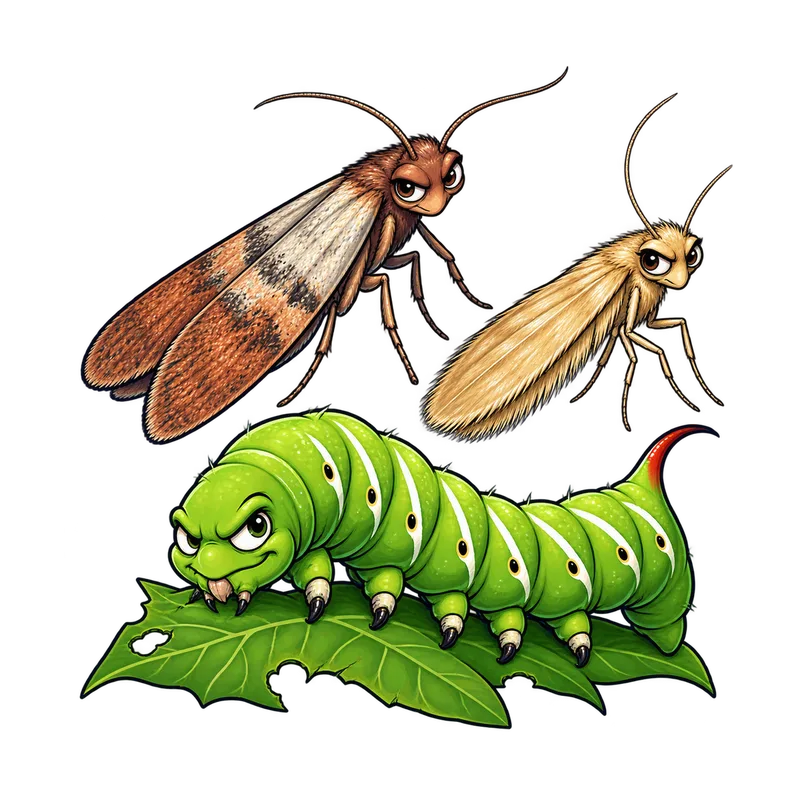
An oak processionary moth rash means you have come into contact with microscopic, barbed bristles shed by the caterpillars of the oak processionary moth. These tiny hairs contain a protein that triggers allergic reactions, severe dermatitis, and respiratory irritation. You can develop this intensely itchy red skin flare-up without touching a caterpillar, simply by encountering bristles drifting in the wind or left on oak trees.
What is actually going on
You are out in the yard on a pleasant Saturday morning, raking up last year's leaf litter beneath the sprawling branches of the old oak tree near the fence line. A few days later, an intensely itchy, angry red rash breaks out across your arms and neck, making you wonder if you brushed against some unfamiliar weed or picked up a stubborn case of poison ivy.
That rash can actually mean you have crossed paths with the microscopic, hair-like structures shed by the caterpillars of the oak processionary moth. These insects live almost exclusively on oak trees, where they feed on the foliage and construct distinct silken nests directly against the rough bark. As the larvae mature, they develop thousands of tiny, barbed bristles known as urticating hairs.
These hairs contain a protein that triggers allergic reactions, severe dermatitis, and sometimes respiratory irritation when people or domestic animals come into direct contact with them. You do not even need to touch a caterpillar to react. The wind can catch these microscopic bristles as they drift down from the canopy or flake off from old, abandoned nests clinging to the trunk.
A common belief is that insect rashes always point to a direct bite or sting, but these caterpillars rely entirely on passive defense. The irritation develops simply because your skin or airways encountered the protein-laden bristles left behind on bark, foliage, or even floating in the warm breeze beneath infested trees.
How to tell for sure
Pinning down the culprit usually requires looking well beyond the red bumps on your skin, because a photograph or a skin lesion alone can never provide a definitive pest identification. You have to investigate the tree itself and check several distinct field features.
Start by looking at the host tree. Oak processionary moth caterpillars feed almost exclusively on oak trees, including both young saplings and mature specimens. If the tree in question is a pine, cedar, or larch, you are usually looking at a different insect altogether, such as the pine processionary moth, which targets conifers and builds large silken webs high among the needles rather than flat against a trunk.
Observe the physical habits of the insects if you spot them. These caterpillars typically move in a very deliberate, nose-to-tail single-file procession along the branches, bark, or even the ground, which is how they earned their common name. Their silken nests usually start out as bright, clean white patches of webbing plastered directly onto the trunk or heavy limbs, gradually weathering into dirty, grey-brown clumps that blend into the bark.
Keep in mind that old nests remain a hazard long after the caterpillars have moved on or matured, because they trap shed larval skins and residual bristles. If you happen to be in North America, such as the eastern United States, contact reactions near oaks are often driven by native stinging species like the buck moth caterpillar, which features hollow stinging spines rather than the fine hair-like structures of the oak processionary moth.
What usually comes next
When you suspect oak processionary moths have moved onto your property, your next step depends entirely on your postal code. In places like Great Britain or Northern Ireland, local law takes that choice right out of your hands. Because these pests are managed under strict quarantine rules, your first real move is reporting the sighting to the national plant health service instead of trying to fix the tree yourself.
Trying a backyard remedy like scraping nests off the bark or burning them usually backfires. Any disturbance to the webbing sends dense clouds of microscopic hairs floating into the air, which makes the exposure much worse for anyone standing nearby and scatters the hazard all over the yard.
If you live somewhere without mandatory reporting for every single caterpillar, the smartest move is cordoning off the tree and calling a professional arborist. Licensed tree specialists bring the heavy-duty protective gear and proper equipment needed to manage the canopy safely without turning your entire neighborhood into an allergy zone.
Resist the urge to tackle the nest with standard garden shears and a thin pair of cotton gloves. Those tiny barbed bristles slip right through ordinary fabric or stick in the threads, leaving you with a fresh wave of itching even when you figured you were covered.
When to get help
A rash from caterpillar hairs happens all the time, but certain signs mean you should skip the home remedies and seek medical care right away. If someone starts showing signs of a severe allergic reaction, such as swelling around the face or lips, trouble breathing, or sudden dizziness, pick up the phone for emergency services without delay.
For milder skin flare-ups, stubborn rashes, or accidental contact that leaves your throat scratchy or your eyes burning, reach out to a healthcare professional or your regional poison control center. Never try to guess the severity of the reaction on your own or slap random household creams on broken skin.
When dealing with the trees themselves, you want official agencies and licensed experts involved the moment you spot a suspected colony on your land. In Great Britain and Northern Ireland, legal reporting duties mean notifying groups like the Plant Health and Seeds Inspectorate, the Science and Advice for Scottish Agriculture, or the Department of Agriculture, Environment and Rural Affairs. Leave the assessment to the trained inspectors and certified tree crews so everything gets handled safely and according to the law.