
Are sod webworms common in Florida lawns?
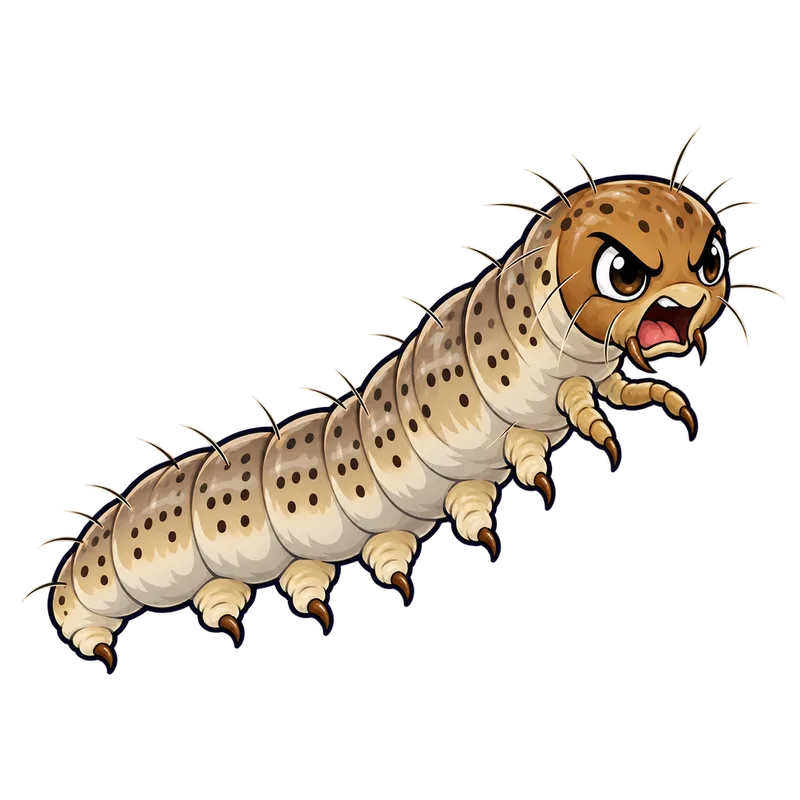
Yes, sod webworms are remarkably common in Florida lawns. Because the state enjoys a warm and frost-free climate, tropical sod webworms thrive year-round and produce multiple overlapping generations that keep continuous pressure on warm-season turfgrass.
What is actually going on
You walk out to grab the morning mail, glance down at your St. Augustinegrass, and notice a small, ragged brown patch that was definitely not there yesterday. Naturally, you wonder if those notorious little lawn caterpillars have moved into your yard. Yes, sod webworms are remarkably common in Florida lawns. Because the state enjoys a warm, frost-free climate, the tropical sod webworm thrives right alongside other lawn moth species year-round, producing multiple overlapping generations that keep pressure on turfgrass month after month.
Unlike northern regions where freezing winters knock back pest populations, Florida provides a perpetual breeding ground. This continuous cycle means homeowners across the state frequently deal with the above-ground feeding damage these creatures inflict on warm-season grasses like Bermuda, Zoysia, Centipede, and Bahiagrass, though they show a distinct fondness for St. Augustine. People often assume that fluttering adult moths are the culprits chewing up the lawn, but the moths themselves are completely harmless grass-dwellers that feed only on nectar and spend their daylight hours hiding in landscape shrubs. When you walk across the grass at dusk and see tiny tan moths darting up like miniature fighter jets, they are simply looking for a place to scatter eggs. The real destruction comes a week or two later when those eggs hatch into hungry caterpillars.
The caterpillars do their dirty work at night, operating like tiny landscaping vandals. During daylight hours, they retreat to silken tubes tucked away in the thatch layer or the top inch of soil. Once the sun goes down, they emerge to clip grass blades near the crown and drag them back to their underground hides. Watching a webworm infestation unfold can feel mysterious because the damage seems to appear overnight. Early on, you might notice small, translucent notches chewed along the edges of the grass blades, as if someone took a pair of craft scissors to your lawn. As the caterpillars grow and their numbers swell during hot, dry summer months, those little notches turn into ragged brown patches that mimic drought stress.
Why doesn't the grass just die completely? Because sod webworms are strictly foliage-feeding insects rather than root destroyers. Unlike white grubs or mole crickets that chew underground and sever the root system, webworms leave the root crowns intact. Your turf may look like it received a terrible, scalped haircut, but healthy grass usually rebounds within a few weeks once the feeding stops.
How to tell for sure
You typically need more than a quick look at a brown patch to confirm a webworm problem, mostly because fungal diseases and dry weather create nearly identical symptoms. You can start by testing the soil firmness with your foot. If you step onto the damaged zone and the ground feels solid and anchored, you are likely looking at webworm activity. If the turf pulls right up like a loose carpet, suspect root-chewing grubs instead.
To get definitive proof, run a simple soap drench test. Mix roughly 1 ounce of mild liquid dishwashing soap into a gallon or two of water, then pour it evenly over a square yard of turf near the edge of the brown patch. Wait about 10 minutes and watch the area carefully. The soapy water irritates the skin of any caterpillars hiding in the thatch, forcing them to crawl up onto the grass blades where you can easily spot them. If you count fifteen or more larvae per square yard, you have crossed the action threshold where intervention usually becomes necessary to prevent further defoliation. Identifying the caterpillars themselves requires a close look, as mature tropical sod webworms grow to about three-quarters of an inch long with translucent green bodies covered in dark spots.
What usually comes next
Once you confirm a heavy webworm population, you face a straightforward choice between cultural adjustments, biorational treatments, and chemical control. Before grabbing any retail products, look at your general lawn maintenance routine. Mowing your grass at a higher setting helps build natural turf resilience, while dethatching in spring or fall removes the sheltered hiding places caterpillars rely on during the day.
When populations cross the threshold, timing and technique matter far more than the specific product you choose. Biorational options like bacterial agents or spinosad work best when targeted at small, young larvae rather than large, mature caterpillars that have nearly finished feeding. If you opt for a foliar insecticide spray, remember a critical rule: do not water the lawn after applying it. Think of applying a webworm spray like putting on sunscreen. If you immediately turn on the sprinklers, you wash all the protection away before it can do its job on the leaves. You must let the spray stay on the grass blades, delaying irrigation and mowing for twenty-four hours to give the treatment time to work.
When to get help
While most homeowners can manage moderate webworm flare-ups with standard monitoring and timely treatments, certain situations call for outside expertise. If the infestation covers a massive commercial property, an extensive athletic field, or a sod farm, managing the outbreak requires specialized equipment and commercial-grade products. You should also hand the job over to a state-licensed commercial pesticide applicator when dealing with restricted-use chemicals or persistent, heavy infestations that resist standard homeowner controls.
If you or anyone in your household experiences accidental pesticide exposure or ingestion during treatment, contact poison control or an urgent care clinician immediately. For everyday lawn management questions specific to your microclimate, your local county extension office can provide reliable guidance on seasonal moth flights and current product recommendations.