
What do box tree moth caterpillars eat?
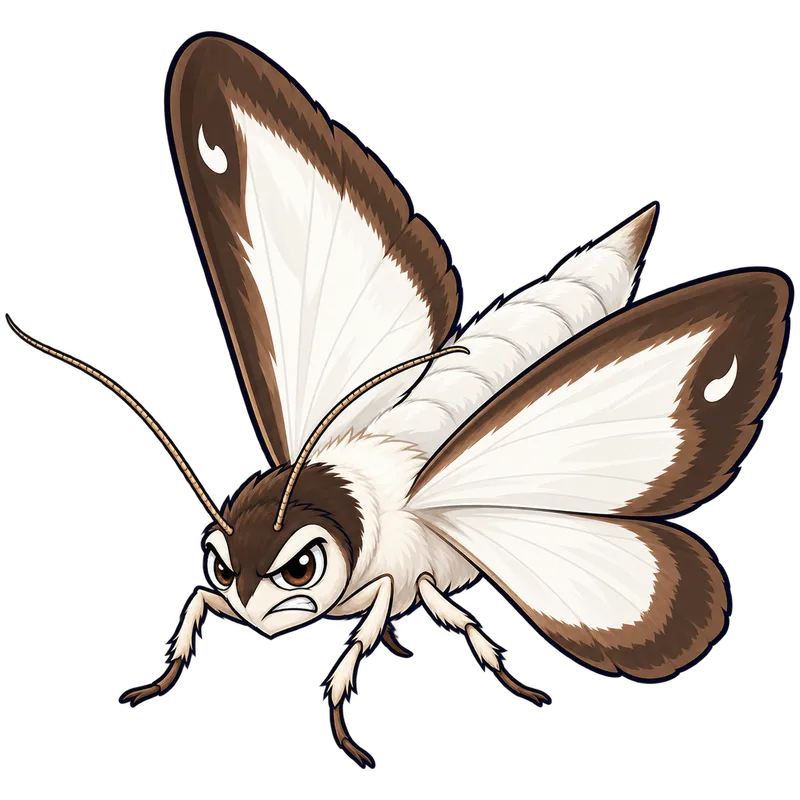
Box tree moth caterpillars eat strictly boxwood foliage, feeding exclusively on plants in the genus Buxus and nothing else in your garden. Younger larvae graze only on the lower surface of the leaves, while older larvae devour all the soft green tissue between the veins.
What is actually going on
You walk out to the back patio with your morning coffee, glance over at the neat little boxwood hedge lining the flagstone path, and stop cold. Half the leaves look bleached and papery, and upon closer inspection, the branches are tangled in messy silken cobwebs littered with tiny green and black droppings. Box tree moth caterpillars eat strictly boxwood foliage, meaning they feed exclusively on plants in the genus Buxus and nothing else in your garden.
This strict diet sets them apart from general garden pests that happily hop from your prized ornamentals to your vegetable patch. Whether you call them boxwood in North America or box in the British Isles and Europe, these shrubs are the only plants that can sustain this caterpillar through its entire life cycle. If you notice neighboring hollies or azaleas untouched while your boxwood looks devastated, you are likely looking at this specific invasive specialist.
The feeding process shifts dramatically as the caterpillar grows from a tiny hatchling into a bulky, hungry late-stage larva. Younger larvae lack the jaw strength to chew all the way through a tough boxwood leaf. Instead, they graze exclusively on the underside, eating the lower surface and the spongy layer inside while leaving the thin upper skin completely intact.
To picture it, imagine peeling wallpaper from the underside of a leaf or scratching a lottery ticket. The top layer stays put for a moment, but the green underneath is gone, leaving translucent patches that homeowners often mistake for winter burn or fungal blight. Once those caterpillars mature into bigger, greedier versions of themselves, their dining habits turn far more destructive.
How to tell for sure
Spotting the culprit usually starts with the physical damage rather than the insect itself because young larvae hide so well on the lower leaf surfaces. Look closely at those papery, bleached spots with a 10x magnification hand lens if you have one. You will typically find tiny, light-green to yellow-green caterpillars with dark longitudinal stripes and black heads working quietly away on the underside of the leaves.
As the caterpillars grow longer and bulkier, usually stretching past an inch or so, they abandon their solitary grazing and move toward the center of the shrub. They spin sticky, tangled silken webs across the inner branches to protect themselves from predators and harsh weather. Inside these messy silken tents, they shift from gentle grazers to aggressive skeletonizers.
Instead of just scraping the bottom layer, older larvae devour all the soft green leaf tissue between the veins, leaving behind a brown, net-like framework of tough central midribs. You can compare this late-stage damage to eating corn on the cob, where the caterpillars chew around all the stubborn fibers and discard the rest. If you shake a webbed branch and see a shower of tiny green-black sawdust pellets, known as frass, trapped in the webbing alongside the striped caterpillars, your identification is usually confirmed.
What usually comes next
When you confirm that box tree moth caterpillars are devouring your boxwood, you must choose whether to tackle the problem yourself or bring in extra help, and that choice usually depends entirely on the size of the caterpillars and how far the damage has spread. If you catch the outbreak early while the larvae are still small, under 0.5 inches long, and limited to a couple of branches, you can generally handle it at home without resorting to harsh chemicals.
For a minor, isolated problem, physical removal is surprisingly effective. You can put on a pair of garden gloves, pick the caterpillars off the leaves by hand, and drop them into a bucket of warm, soapy water. Another option is pruning away heavily webbed branch tips early in the season or using a strong jet of water from your garden hose to wash the webs and larvae out of the canopy.
When dealing with early-stage larvae that are actively feeding on the leaf undersides, you might also want to apply a natural biological control like Bacillus thuringiensis, commonly called Bt. This naturally occurring soil bacterium only works when eaten by young, actively feeding caterpillars, and it causes their digestive tracts to shut down within 3 to 7 days.
On the other hand, Bt usually fails entirely if you wait until the caterpillars are fully grown, large, and sheltered inside thick silken webs. Those dense webs act as physical shields that keep sprays from reaching the insects inside, and large larvae are naturally resistant to standard doses anyway. If more than half of the shrub canopy is already skeletonized and filled with webbing, basic handpicking and simple sprays will usually not be enough to save the plant, meaning you have to consider stronger methods.
When to get help
There are times when a home gardener needs to step aside and turn the job over to someone with specialized training, equipment, or legal authority. If you live in an area where the box tree moth is strictly regulated as a priority invasive species, such as parts of Canada where tracking falls under official plant protection laws, you might have a legal duty to report suspected sightings to national agricultural agencies or local invasive species councils instead of dealing with the infestation quietly on your own.
On a practical level, you should bring in a certified arborist or a licensed pesticide applicator when your property features large hedge borders, tall privacy screens, or historic topiary gardens that call for high-pressure canopy treatments. Treating a huge, thick boxwood hedge safely and successfully requires professional gear that penetrates the inner canopy without causing hazardous pesticide drift that could damage nearby pollinator areas or non-target plants in your yard.
Never try to handle widespread, heavy canopy damage with household sprayers or homemade mixtures, because trying to push products through thick, webbed clusters without the right equipment generally results in poor coverage, wasted time, and frustrated homeowners. Contact a licensed professional when the size of the hedge exceeds what standard hand tools can manage, or when local biosecurity rules demand official reporting of a quarantine pest.