
How is browntail moth rash treated?
Browntail moth rash is treated by washing the skin with mild soap and cool water, then using over-the-counter remedies like 1% hydrocortisone cream, calamine lotion, cool baths, and oral antihistamines to calm symptoms. There is no cure or antidote, so care focuses on soothing the inflammation while the body heals.
What is actually going on
Picture a June weekend in coastal Maine. Saturday you rake leaves under the oaks and feel fine. Sunday morning your forearms and the back of your neck are covered in red welts that itch like nothing you have met before, and there is not a single bite mark to blame. That is the classic browntail moth rash, and here is the plain answer: there is no antidote and no cure for it. Treatment is about calming the symptoms while your skin heals, which means washing with mild soap and cool water, then reaching for familiar over-the-counter remedies: 1% hydrocortisone cream, calamine lotion, cool baths with baking soda or colloidal oatmeal, and oral antihistamines for the itch. For most people that combination is enough. Severe or widespread reactions, and any breathing trouble at all, are a different matter, and we will get there.
Why is there no cure? Because of what the rash actually is. It is not a bite or a sting. Browntail caterpillars carry microscopic barbed hairs, called setae, that hold a toxin. The hairs break off, drift on the air and work into your skin like tiny splinters, then release their toxin into the tissue. Imagine walking through a cloud of invisible fiberglass shards that also happen to be poisoned. Your skin answers with inflammation, redness and ferocious itching, and no cream can pull the hairs back out or undo what they already delivered. The whole game is turning the reaction down while your body clears the mess.
One mix-up is worth clearing up while we are here: the adult moths are innocent. Those snow-white flutterers mobbing the porch light in July have soft, non-toxic hairs. The culprits are the caterpillars in late spring and the cocoons they weave in early summer. And here is the unpleasant kicker: in dry conditions the hairs stay toxic for up to three years. You can pick up the rash in January by brushing against an old cocoon while cleaning out the garage, long after the last caterpillar has checked out.
How to tell for sure
Honest answer first: you usually cannot confirm browntail from the rash alone. It shows up as red bumps, raised welts or irritated patches, which is nearly identical to flea bites, bed bug bites or poison ivy. No photograph of your skin can prove which pest did it, and anyone who claims otherwise is guessing. What points toward browntail is context. You live in or recently visited an infested area, mostly Maine and Cape Cod in Massachusetts. The rash appeared within hours of outdoor activity between April and July, or after handling firewood, leaf litter or stored items from a shed.
The itch itself is a clue. It tends to be fiercer and longer-lasting than a mosquito bite has any right to be, and it usually lands on exposed skin: arms, neck, face, or wherever clothing pressed hairs against you. People who hang laundry outside in June sometimes get it in odd patterns, because airborne hairs settle on sheets and shirts drying on the line. Yes, your own clean bedsheets can betray you.
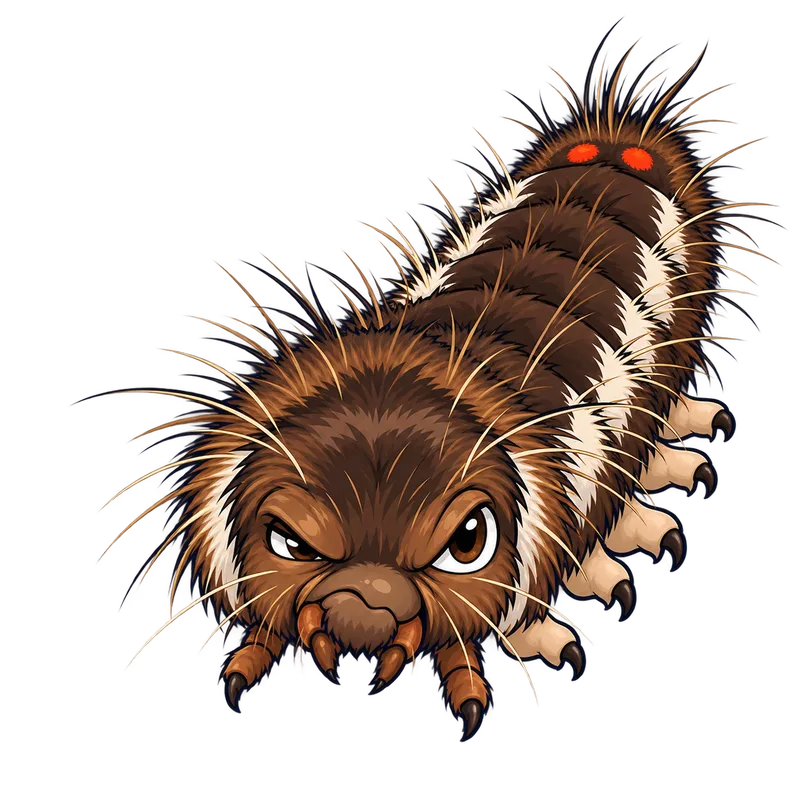
If you want to confirm the pest rather than the rash, look at the caterpillars. Fully grown they run about 1.5 inches, brown, with broken white stripes along each side and two red-orange spots near the tail end. In winter, look for the nests: small, tightly woven white silk webs, 2 to 5 inches long, wrapped around a leaf stem at the tip of a twig. Do not confuse them with fall webworm nests, which are larger and looser, 3 to 10 inches, and empty by winter. If you need a firm identification of a web or specimen, a university extension diagnostic lab can do it, and that is usually the right call before you start planning any work on your trees.
What usually comes next
Once you suspect exposure, the practical decision is simple: treat at home if the reaction is mild to moderate, escalate if it is not. Start right away. Wash the exposed skin with mild soap and cool or lukewarm water, take a cool shower and change your clothes, because hairs cling to fabric and will keep re-exposing you. Wash those clothes before wearing them again.
Then manage the itch. Dab 1% hydrocortisone cream or calamine lotion on the affected spots. If the rash covers a lot of ground, a cool bath with baking soda or colloidal oatmeal takes the edge off the whole body at once. For the itch that keeps you up at night, a non-drowsy oral antihistamine such as loratadine or fexofenadine works by day, and a sedating one like diphenhydramine can help you sleep. Follow the product label for dosing, or ask a pharmacist. A plain, fragrance-free moisturizer a few times a day helps protect skin you have scratched raw.
Here is the mistake nearly everyone makes once: the hot shower. You come in from yard work feeling a mild tickle, hop into a lovely hot shower, and the heat opens your pores and dilates blood vessels in the skin, turning a manageable itch into a full-body fire alarm. Cool or lukewarm only, until the rash is gone. Heat is the enemy for the entire duration.
One more thing to be skeptical about. You may hear of special compounded sprays that some municipalities have mixed from several over-the-counter creams. Those were put together under institutional oversight, and blending your own drug combination at the kitchen counter is not the same thing. If you are curious about something stronger than the standard remedies, that is a conversation for a pharmacist or clinician, not a home experiment. And any product claiming to neutralize or cure the toxin on contact should be treated as marketing, because no such thing exists.
When to get help
Some reactions are beyond home care, full stop. Call 911 or get to an emergency room immediately if you have trouble breathing, wheezing, difficulty swallowing, or any swelling of the lips, tongue, mouth or throat. Inhaled hairs can irritate the airway, and a severe respiratory reaction is a genuine emergency, not a wait-and-see situation.
See a primary care provider or an urgent care clinic if the rash is severe, very painful or covers large areas of your body, if hydrocortisone and antihistamines are not controlling the itch, or if scratching has led to signs of infection: increasing redness, warmth, pus or yellow crusting. A clinician can prescribe stronger topical or oral corticosteroids when the situation calls for them. If your exposure happened on the job, say landscaping or tree work, occupational health services are the appropriate route. For questions about ingredient safety or toxic exposures generally, Poison Control in the US is reachable at 1-800-222-1222.
The short version: wash cool, treat the itch with standard remedies, stay away from heat, and take breathing symptoms straight to the emergency room without hesitation. Most cases settle within days with basic care, and the rest have a clear path to proper treatment.