
Are “sugar ants” in the kitchen the same species everywhere?
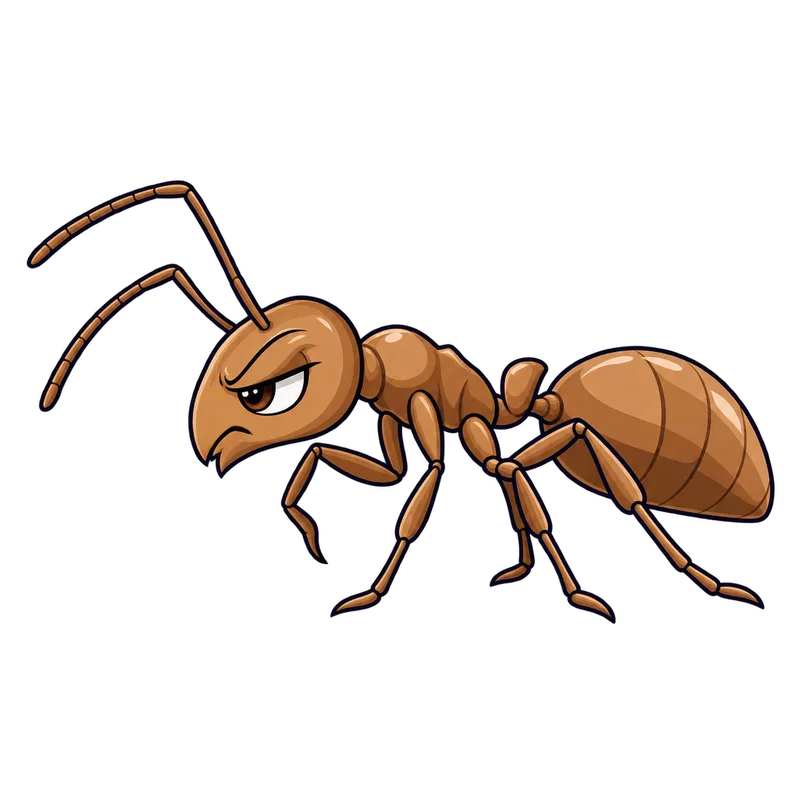
No, sugar ants in the kitchen are not the same species everywhere. The term is a casual label for dozens of completely different sweet-seeking insects, and the exact species you have depends entirely on your geographic location on the map.
What is actually going on
You walk into the kitchen early in the morning, reach for the honey jar, and find it surrounded by a neat, busy line of tiny brown insects. Most of us call whatever is marching across the counter a sugar ant. It is a handy name for any tiny visitor with a sweet tooth. But if you think that the bug raiding your breakfast in New York, London, Sydney, or Toronto is the exact same creature, you are in for a surprise. No, sugar ants in the kitchen are not the same species everywhere. The term is just a casual, everyday label we use for dozens of completely different sweet-seeking ants. Entomologists look at those kitchen visitors and see an assortment of unrelated subfamilies, genera, and biological traits. What looks like a single pest to you usually depends entirely on where you live on the map. In Australia, the true sugar ant is a specific native creature known as the banded sugar ant, a large and recognizable endemic species. But if you live in the United States, your kitchen invader is usually something else entirely, such as the invasive Argentine ant or the tiny ghost ant. In the United Kingdom and Ireland, native black garden ants often take the blame, alongside introduced tropical species that only survive indoors because of central heating. While they all share a passion for your leftover jam and spilled syrup, their biology, nesting habits, and colony structures vary wildly from one region to another.
The reason we use one name for so many different insects comes down to a shared appetite. Many ant species are opportunistic omnivores or carbohydrate specialists. In nature, they spend their days hunting for floral nectar or tending to sap-sucking insects like aphids to harvest a sugary excretion called honeydew. When they venture indoors, your refined sugar, syrups, and fruit juices are simply an effortless substitute for what they would normally track down outside. Geography dictates which specific trespasser you are dealing with. In Mediterranean and southern climates across the United States, massive outdoor and indoor populations of Argentine ants form sprawling colonies with multiple queens. If you move over to the United Kingdom or Canada, cooler winters mean that tropical tramp species like Pharaoh ants can only survive as obligate indoor pests, tucked away deep inside heated wall voids, service ducts, and kitchen backsplashes. This regional variation matters because a management approach that works for one type of ant will fail miserably on another. Some species nest outside and only pop in for a snack, while others set up permanent housekeeping directly inside your structural timbers or behind the dishwasher. Treating them as a single universal pest is the quickest way to guarantee they will stick around.
How to tell for sure
Figuring out what you are looking at usually starts with a close look at the physical traits you can spot with your own eyes on a bright kitchen counter. You want to check whether the workers are all roughly the same size, which scientists call monomorphic, or if you have a mix of tiny scouts and massive workers, known as polymorphic. Take carpenter ants, for example. They are large, polymorphic insects where the workers can range significantly in size, making them look like a mixed crew of laborers on a construction site. By contrast, Argentine ants or ghost ants are tiny and uniformly small. You can also tell ants apart from termites instantly by looking at their body shape and feelers. Ants have a distinct, narrow pinched waist and elbowed, bent antennae. Termites, which sometimes swarm indoors, have a thick, cylindrical body and straight, bead-like antennae. In addition, winged ants have front wings that are noticeably larger than their hind wings, while termites have two pairs of wings of equal length. You usually need a 10x magnification hand magnifier to check finer details like the tiny nodes on the waist, or a preserved specimen sent to a specialist to separate closely related brown species. Never try to identify a pest definitively from a blurry photograph, a skin mark, or a vague description of a bite.
What usually comes next
When you spot a trail of ants marching across the tile, the instinct is to grab a can of household aerosol spray and wipe them out. Do not do it. Spraying visible trailing ants with a standard contact repellent is often the worst practical move you can make. Think of it like hitting a mythical hydra. Spraying kills a small fraction of the foraging workers on the surface, but it leaves the queens and the main nest untouched. Worse yet, with multi-queen species like Argentine ants or Pharaoh ants, the chemical panic causes the colony to split up through a process called budding. The single line on your counter suddenly turns into five new satellite nests hidden behind your stove, inside your walls, and beneath the floorboards. Instead of reaching for a surface spray, focus your energy on cutting off their access. Store all sugars, honey, baking ingredients, and sweet cereals in rigid, airtight glass or heavy plastic containers with rubber gaskets. Wipe down your counters and floors daily to erase the invisible chemical scent trails they use to guide their friends. Most importantly, fix any minor plumbing leaks under the sink. A slow, chronic water drip provides the ideal hydration station that attracts outdoor foragers and encourages carpenter ants to nest in damp structural wood nearby.
When to get help
There are moments when a kitchen ant problem crosses the line from a simple annoyance to a situation that requires professional intervention. If you notice piles of coarse sawdust accumulating beneath your kitchen window sills or hollow doors, or if you hear faint rustling noises inside the walls at night, you might be dealing with carpenter ants excavating galleries in moist, rotting timber. Finding large polymorphic ants foraging indoors, or spotting winged reproductive ants emerging inside the house during warmer months, usually points to an established colony tucked away inside the building envelope. Dealing with multi-queen tramp ants often requires specialized non-repellent slow-acting baits or insect growth regulators that workers carry back to share with the queens, materials that belong in the hands of a licensed pest management professional. If you suspect structural damage to your framing, you will need a qualified building contractor alongside your pest control operator to evaluate the timber and fix the underlying moisture defects. And if anyone in the household experiences a severe bite reaction, swelling, or secondary skin infection from an encounter with aggressive ants, skip the pest remedies entirely and contact a qualified clinician, urgent care facility, or poison control center right away.