
What do fire ant stings mean for outdoor activity in Texas?
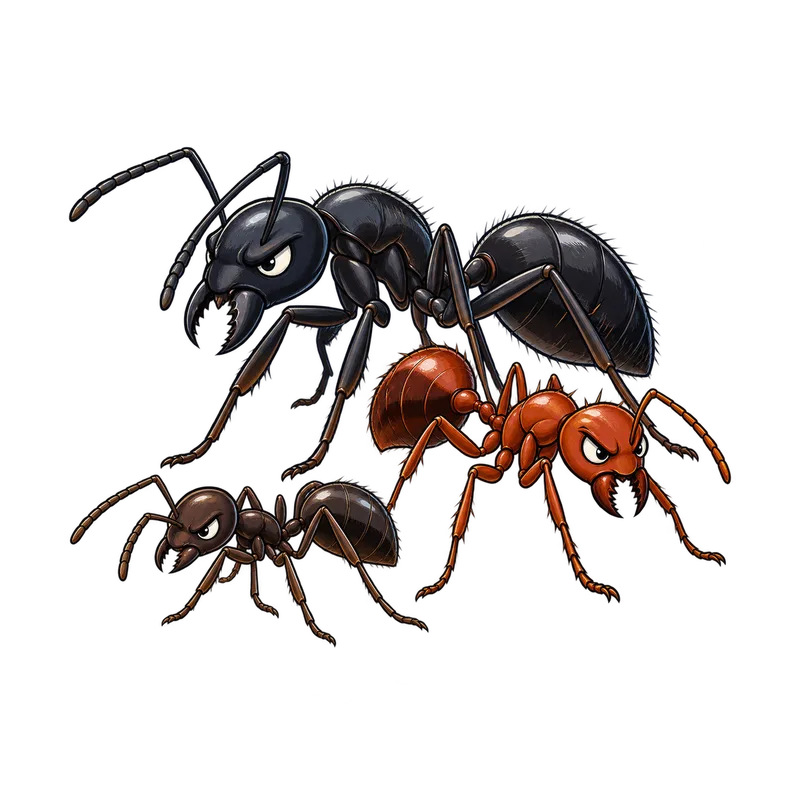
Red imported fire ant stings turn ordinary outdoor recreation in Texas into a game of ground level vigilance. Their presence requires active ground inspection, protective footwear, and cautious movement through yards and parks. For most people the stings cause itchy pustules, but sensitive individuals can experience dangerous systemic reactions.
What is actually going on
Imagine you are packing up a cooler for an afternoon at a Texas park. You spot a nice patch of thick green grass under an oak tree, spread out your blanket, and sit down to eat a sandwich. A few minutes later, your ankles start to burn as if someone touched a hot match to your skin. You look down and see dozens of tiny reddish ants swarming up your socks. If you live anywhere in the southern half of the state, you already know the culprit is the red imported fire ant. These insects turn ordinary outdoor activity into a game of ground-level vigilance because their presence changes how you move through your own yard, a public park, or a pasture.
Unlike honey bees or wasps whose venoms rely heavily on proteins, fire ant venom is chemically unique. It consists almost entirely of potent alkaloid toxins with only trace amounts of protein. When you step on a mound or disturb foragers, the ants anchor themselves to your skin with their mandibles, acting like a compass needle while their back ends pivot to drive a stinger in repeatedly. The alkaloid venom immediately kills surrounding cells, causing that sharp, burning sensation. Within a day, those stings turn into raised, itchy pustules filled with sterile fluid.
For most people, these bumps are just an annoying reminder to look down before sitting. But for those with sensitivities, the trace proteins in the venom trigger an immune cascade that releases histamine. Because these systemic reactions can involve respiratory obstruction, which accounts for the vast majority of insect sting fatalities, outdoor recreation in Texas requires more than just brushing off a few bugs. It calls for active ground inspection, protective footwear, and knowing what to do when things go wrong.
How to tell for sure
People often assume any small red ant in the dirt is a fire ant, but you usually need a closer look to be sure. Field observation of an aggressive, dome-shaped soil mound in a sunny spot is a strong clue, but confirmation usually requires checking physical traits under magnification.
If you take a hand lens with ten times magnification and look at the narrow waist between the thorax and the abdomen, fire ants usually show two distinct nodes, known as the petiole and post-petiole. Single-node species, like carpenter ants, do not have this double bump. You can also tell ants apart from swarming termites by looking at their antennae and waists. Ants have elbowed antennae and a pinched waist, while termites sport straight, bead-like antennae and thick, uniform bodies.
Workers usually range from two to six millimeters long and vary in shade from reddish-brown to dark brown. Keep in mind that field traits only point you in the right direction. If you need absolute species-level confirmation, you usually have to submit a preserved specimen to a local university extension service or a professional entomologist.
What usually comes next
When you discover an active colony near your patio, lawn, or campsite, you have to decide how to handle the area without turning your weekend into a hazard. Never sit or lie directly on uninspected grassy ground in Texas. Treat a patch of turf the way you would treat a hot stovetop. Look closely for soil domes or active trails before you lay down a blanket or drop your gear.
If you are working in brush or walking through tall grass, wear closed-toe shoes or boots with socks, and tuck your pant legs into your footwear. Avoid wearing bright floral colors or heavy sweet perfumes, which tend to draw foraging stinging insects right to you. If ants manage to crawl onto your skin, brush them off briskly with your hand or a cloth. Do not try to wash them off with water alone, because those anchored jaws hold on tight.
If you do get stung, move away from the nest immediately. Wash the area with soap and water, elevate the limb to keep swelling down, and apply a cold pack or ice wrapped in a cloth. Over-the-counter antihistamines can help dial back the itching. Above all, do not pop, scratch, or break those necrotic pustules. Keeping them intact is the best way to protect the skin from secondary bacterial infections. When dealing with a large or persistent infestation on your property, managing the colony usually means hiring a licensed pest control applicator to apply regulated bait products strictly according to the product label.
When to get help
While a few stings and itchy bumps are normal, a systemic allergic reaction is a medical emergency that requires immediate professional care. These reactions usually develop rapidly within ten to thirty minutes of the sting.
Watch for high-risk warning signs that spread far beyond the sting site. Cutaneous signs include generalized hives, a body rash, flushed skin, or intense itching elsewhere on the body. Respiratory signs are the most dangerous and include throat or chest tightness, wheezing, coughing, difficulty breathing, hoarseness, or frothing at the mouth. You might also notice vascular and neurological signs like dizziness, lightheadedness, confusion, fainting, or loss of consciousness, alongside severe gastrointestinal distress such as abdominal cramps, vomiting, or diarrhea.
If anyone exhibits any of these systemic symptoms, administer a pre-measured prescription epinephrine auto-injector immediately if you have one on hand. Call nine-one-one right away or transport the person to the nearest emergency room without delay. Keep in mind that epinephrine is only a temporary life-saving measure, and a second phase of anaphylaxis can occur hours later, making professional medical evaluation mandatory. For round-the-clock medical guidance regarding sting management, contact the National Poison Control at one-eight-hundred-two-two-two-one-two-two-two. Anyone with known or suspected sting allergies should also follow up with a board-certified allergist to discuss venom immunotherapy.