
What should you check before placing bait for pharaoh ants?
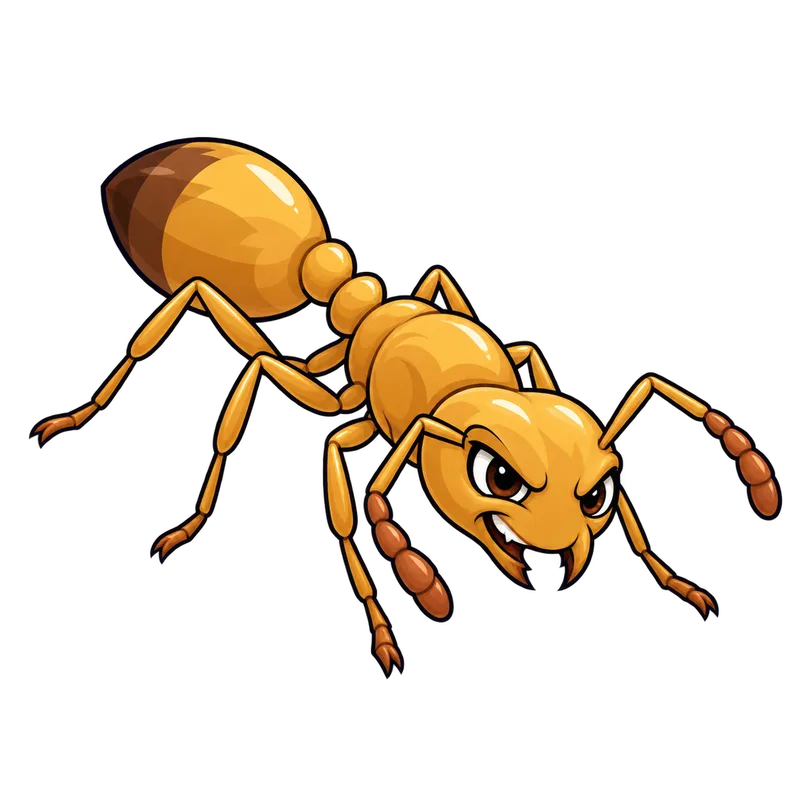
Before placing bait for pharaoh ants, you must check for recent chemical applications and inspect for competing food sources. You also need to verify the species under magnification, looking for pale yellow to light reddish brown bodies measuring about 1.5 to 2 mm long.
What is actually going on
You spot a tiny, pale yellow speck darting across the kitchen counter near the toaster, and your first instinct is to grab that can of bug spray sitting under the sink. Wait. Before you do anything, let alone place a drop of bait, you need to know what you are dealing with. Treating a Pharaoh ant infestation is not like dealing with a stray housefly or an occasional beetle. If you rush into this with the wrong tools, you will accidentally turn one minor kitchen nuisance into a sprawling network of nests hidden deep inside your walls.
Imagine a bustling city connected by a network of major highways. If you suddenly drop a noisy, toxic roadblock on one main street, the citizens do not simply vanish. Instead, they panic, pack up their things, and scatter in every direction to build dozens of new suburban towns in your wall voids. That is essentially what happens when you spray a repellent chemical on these ants. They have multiple queens ruling a single colony, and when threatened, they split apart through a process called budding.
Before placing a single dab of bait, you have to audit the environment, check for recent chemical applications, inspect for competing food sources, and verify the species under magnification. If you skip these steps, your expensive bait will sit untouched while the ants multiply behind your drywall.
How to tell for sure
Identification always comes before control. To the naked eye, a Pharaoh ant looks like an anonymous golden dot, usually measuring about 1.5 to 2 mm long. You cannot rely on a vague description or a skin reaction from a bite to figure out what is crawling across your kitchen. You need a hand lens to look closer.
Under magnification, workers usually reveal two distinct waist beads, known as petiole nodes, and antennae that end in a clearly defined three-segmented club. Their bodies typically range from pale yellow to light reddish brown, while the rear portion of the abdomen looks darker. You usually need this level of detail to separate them from other tiny indoor intruders like Argentine ants or ghost ants, which have completely different body structures and require entirely different treatment strategies.
You also want to look closely at where they are traveling. Pharaoh ants gravitate toward warmth and humidity, so you will usually find them trailing near pipe penetrations, electrical outlets, and drop ceilings rather than out in the middle of a cold, open floor.
What usually comes next
Once you are sure you have Pharaoh ants, your next practical decision involves clearing the decks, both literally and figuratively. If someone in the house has already sprayed a standard aerosol bug spray along the baseboards, you cannot just drop bait stations over that chemical film. The ants will detect the repellent and steer clear of the area. You need to wash those surfaces with warm water and mild soap to lift away any lingering traces.
Next comes the hardest part for most folks: removing the competition. If your kitchen counters are covered in grease splatters, sticky soda spills, and open sugar bowls, you are essentially running a free diner right next to a gourmet trap. Foraging workers will always choose easy, accessible food and water leaks over your new bait stations.
Fixing plumbing leaks under the sink, wiping down appliances, and locking all pantry items into rigid, airtight containers are mandatory steps. Only when competing food sources disappear will the workers actually investigate the slow-acting bait you provide. This type of bait acts like a trojan horse. Workers ingest the material and carry it back to share with the queens and larvae, wiping out the colony from the inside out.
When to get help
There are moments when a do-it-yourself baiting approach simply will not cut it, and you need to step back and call in a professional. If you live in a multi-unit apartment building or a commercial complex, these ants routinely travel between units through shared plumbing lines and electrical chases. Spot treating your own kitchen while your neighbor ignores the problem is a waste of time.
You also need to contact licensed pest management professionals if the infestation is located in a sensitive environment like a healthcare facility or a commercial food preparation area, where carrying pathogens creates an unacceptable public health risk. If previous attempts at baiting have only caused the ants to spread further across multiple rooms or floors, an expert must step in to coordinate a building-wide control program.
Always remember that all pesticide applications must strictly follow product label instructions. If you find yourself unsure about how to proceed safely, or if the infestation persists despite your best sanitation efforts, reach out to a certified pest control operator or the responsible local agency.