
Why are ants appearing on houseplants?
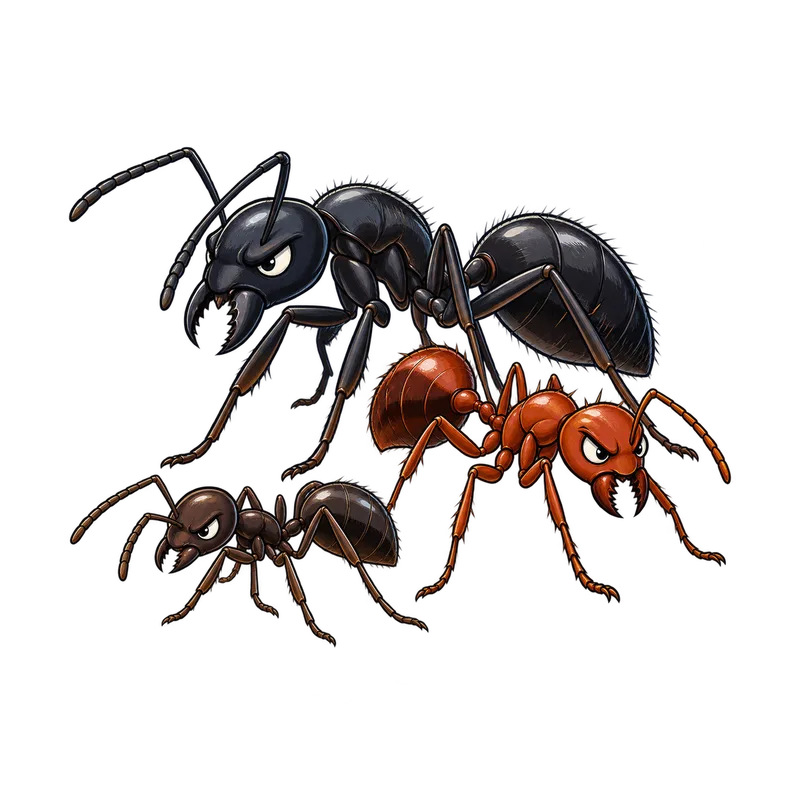
Ants appear on houseplants because they are usually feeding on a sweet, sticky liquid called honeydew left behind by sap-sucking pests like aphids, scale insects, or mealybugs. A freshly watered pot of soil also provides a warm, humid microclimate that acts as a cozy resort for foraging workers.
What is actually going on
You walk over to water your favorite parlor palm on a lazy Sunday morning, and instead of the usual quiet green, you notice a steady line of tiny brown ants marching up the ceramic pot. It is a startling little parade right there in your living room, and your first thought is probably that they are chewing up your greenery for breakfast.
They are not eating your leaves. Ants do not actually care about the foliage of your houseplant for food. What brings them indoors and up your stems is usually a sweet, sticky liquid called honeydew. This substance is a waste product left behind by tiny sap-sucking pests like aphids, scale insects, or mealybugs that might be quietly living on your plant. These little bugs pierce the plant tissues to drink the sweet juices inside, and they excrete the excess sugar. Ants treat this sticky residue like an all-you-can-eat energy drink station.
Beyond the free sugar buffet, your potted plant offers something quite luxurious for a foraging ant. Indoor homes can be dry during the heating season, but a freshly watered pot of soil provides a warm, humid microclimate that feels like a resort. The loose potting mix gives them a cozy spot to travel through, and if the soil stays a bit too wet, they might even decide it is a great place to set up a temporary satellite nest. In fact, if you recently brought a patio container indoors for the winter, you might simply be hosting a colony that moved its entire operation inside before the frost.
How to tell for sure
Before you start treating anything, you need to play detective and figure out what you are actually dealing with. Grab a magnifying glass or use the macro setting on your smartphone to take a close look along the new growth shoots, the leaf axils, and the undersides of the leaves.
You usually find that the ants are just the visible symptom of a hidden infestation. Look closely for small, soft-bodied aphids, or tiny dome-shaped waxy bumps that turn out to be scale insects. If the top of your coffee table feels sticky, or if you notice a black, dusty coating on the leaves called sooty mold, that is a sure sign of sap-sucking pests working overtime. This dark mold grows right on the sugary deposits left behind by the insects, which completely explains why the ants keep returning.
You also want to make sure your visitors are actually ants. True ants have elbowed antennae and a very narrow, pinched waist. If the insects have straight antennae and a thick waist joining the thorax directly to the abdomen, you might be looking at something else entirely, such as termites, which require a completely different approach. While some ants are just passing through to feed on extrafloral nectaries produced naturally by certain plant species, most indoor visits tie back to hidden insect activity or soil moisture.
What usually comes next
Once you spot the ants and find the tiny bugs supplying their sugar fix, you have to make a practical decision about how to handle the plant. The most important rule to remember is that spraying the marching ants with a contact aerosol right on the leaf will not solve the problem. It only kills the surface workers you can see, while the rest of the colony stays tucked away safely.
Instead, you usually need to break the cycle by dealing with the sap-sucking insects first. Take the plant to the sink or shower and gently wash the foliage with tepid water and a mild soap solution to strip away the honeydew and physical pests. Isolate the plant from your other indoor greenery so the hitchhikers cannot spread. If the soil is waterlogged, let it dry out between waterings to make the pot far less inviting.
If ants continue to show up from baseboards or window sills, placing an enclosed, slow-acting ant bait station near the base of the pot is typically the next step. Foraging workers take that bait back to share with the rest of the colony, which deals with the root cause instead of just the symptoms on your stem. Always check the product label to make sure any bait or treatment you choose is explicitly approved for indoor use.
When to get help
Most houseplant ant situations can be managed with a bit of patience, but certain red flags mean you need to step back and call in outside help. If the ants marching up your houseplants are large carpenter ants, and you keep spotting them emerging from window frames, baseboards, or hollow walls, your plant is just a pit stop. That usually points to a hidden nest in damp, decaying structural wood somewhere in your home, and you should contact a licensed structural pest control operator for a professional inspection.
If you happen to bring in an outdoor container that harbors aggressive stinging pests like red imported fire ants, and someone gets stung and suffers a severe allergic reaction or widespread painful pustules, seek medical attention from a clinician immediately. Finally, if you ever feel unsure about using chemical treatments indoors, or if a pest problem keeps returning despite your best efforts, let a licensed professional handle the application safely.