
How do you distinguish odorous house ants from other tiny dark ants?
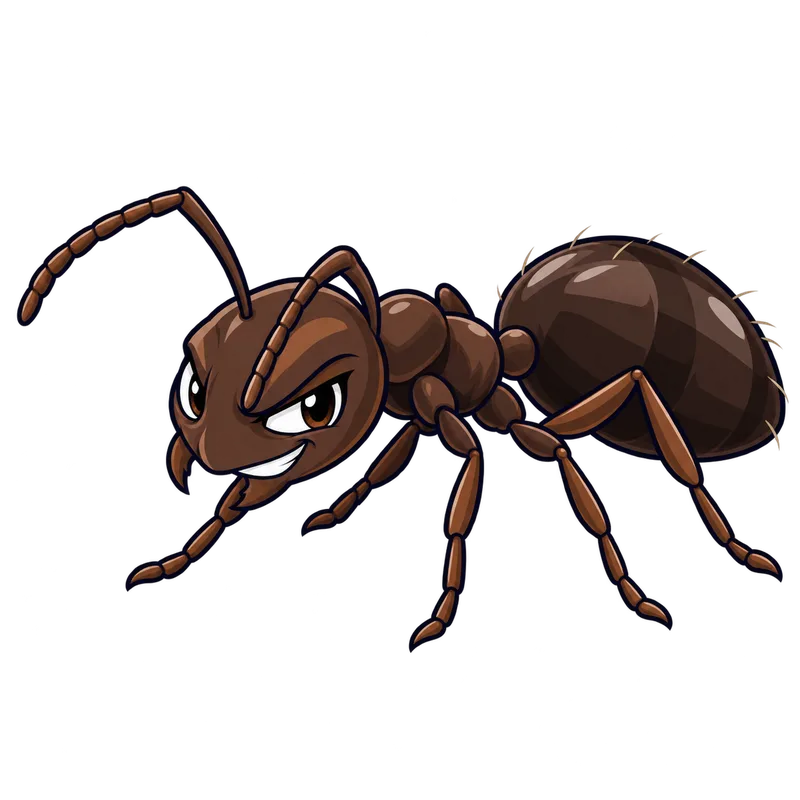
To distinguish odorous house ants from other tiny dark ants, check for a hidden, flattened waist node and perform a scent test by crushing a fresh worker. If you catch a pungent odor of rotten coconut, blue cheese, or rancid butter, you have an odorous house ant.
What is actually going on
You walk into the kitchen on a quiet Tuesday morning, reach for the sugar canister, and notice a frantic line of tiny dark insects marching along the baseboard. Naturally, your first instinct is to wonder what kind of invaders you are dealing with, because treating the wrong bug is usually a waste of time. Most people assume that every small, dark ant scuttling across a countertop is just the same generic pest.
The insect pulling off this pantry raid is likely the odorous house ant, a native crawler that loves nothing more than a steady supply of sweet moisture. They are tiny, measuring only about one-sixteenth to one-eighth of an inch long, and they all look remarkably alike in size. To tell them apart from other tiny dark ants that share your neighborhood, you have to look past their plain dark brown or black exterior and check a few specific structural traits that set them apart from pavement ants, Argentine ants, and other lookalikes.
The real trick to knowing what you are looking at involves an odd physical quirk and a rather distinctive scent test. While many household ants look identical to the naked eye, a few careful checks under bright light will give you a definitive answer.
How to tell for sure
Start by looking at the ant waist under a magnifying glass or a ten-power hand lens. Most ants have a visible bump or two right where the middle body segment meets the larger rear section. The odorous house ant usually has a single waist node, but it is flattened and completely hidden beneath the overhang of that rear body section. Imagine a person wearing an oversized winter jacket with a collar so high it swallows their neck entirely. From above, the body seems to jump straight from the middle section to the rear bulb without any visible neck in between.
Next, check the antennae. If you can count the segments, you will usually find twelve distinct sections with no swollen club at the tip. You can also examine the very rear tip of the ant, which features a simple horizontal slit instead of the circular hair-fringed opening found in some species or the stinging barb found in others.
If those microscopic details sound a bit tedious, you can rely on the field test that gives these ants their common name. Take a fresh worker ant and crush it gently between your fingers or on a piece of white paper. Take a quick sniff. If you catch a pungent, unmistakable wave of rotten coconut, blue cheese, or rancid butter, you usually have your culprit. This scent comes from volatile chemicals the ants release when threatened. Keep in mind that dead specimens or ants preserved in rubbing alcohol lose this odor entirely, so the smell test only works on fresh finds.
What usually comes next
Once you confirm you are dealing with odorous house ants, you hit a classic fork in the road. Do you grab a can of aerosol spray, or do you take a more strategic route? Most homeowners instinctively reach for a fast-acting contact spray, but that choice usually backfires. Repellent sprays panic the colony and trigger a survival instinct known as budding. Instead of dying off, the queens split up and scatter into different wall voids, turning one manageable trail into five hidden satellite nests.
Instead of declaring chemical warfare with a spray can, your best practical move is to rely on slow-acting sweet baits. Because these ants have an extreme sweet tooth and prefer liquid carbohydrates, a sweet bait spiked with a slow-acting poison acts like a Trojan horse. Foraging workers drink the sweet liquid, carry it back through the trail, and share it with the queens and larvae deep inside the walls before the poison takes effect.
When to get help
There are moments when do-it-yourself pest control stops being practical and you need to hand the reins over to someone else. If your kitchen trails persist for weeks despite careful baiting, or if the ants seem to span across multiple rooms and neighboring properties, you are likely dealing with a massive urban supercolony that usually requires professional intervention.
You should also look closer at your home if these ants suddenly appear in interior wall voids, behind bathroom tiles, or beneath flooring. Odorous house ants love moisture-damaged cavities, and their presence can be an early warning sign of a hidden plumbing leak or rotting timber that needs a contractor attention.
If anyone in your home suffers a skin reaction, severe swelling, or an allergic response around an ant infestation, talk to a clinician or contact poison control immediately, because skin lesions and bites can never be reliably traced to a specific bug. For severe structural treatments or wall void injections involving specialized non-repellent insecticides, a licensed pest control professional must make the application.