
What do ghost ants look like in a Florida kitchen?
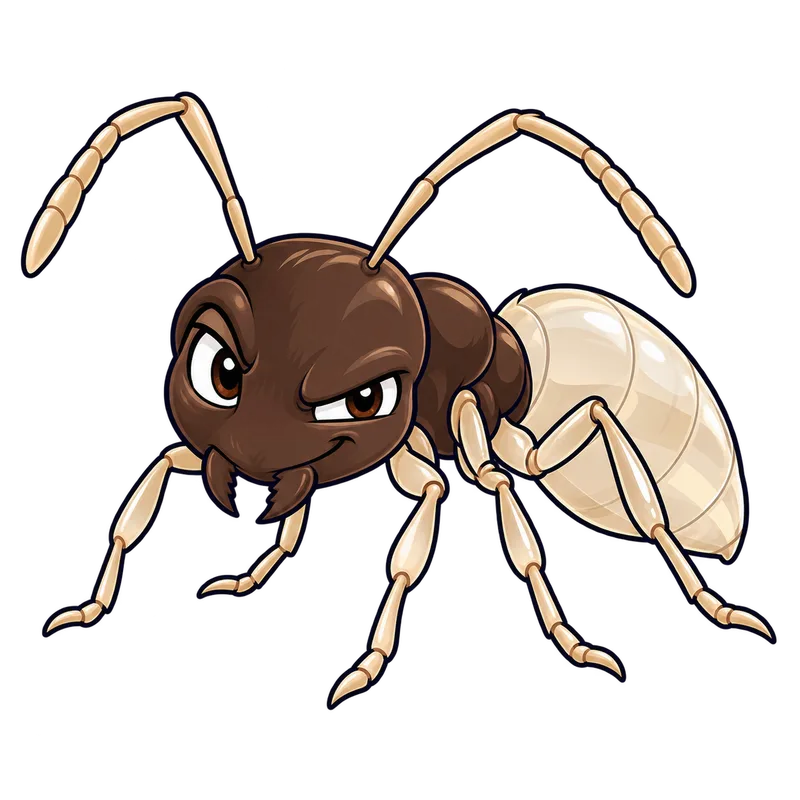
Ghost ants in a Florida kitchen look like tiny, erratic dashes measuring only a millimeter or so in length. These foragers feature a dark head and thorax contrasted against a pale, translucent abdomen and legs, which makes them appear half-invisible as they scurry across white countertops.
What is actually going on
Picture walking into your kitchen on a bright Tuesday morning, reaching for the sugar canister by the coffee maker, and noticing what looks like a tiny, erratic dash of coarse black pepper moving across the quartz countertop. When you lean in closer, that single speck splits into a dozen minute visitors marching in a disciplined line toward a microscopic smear of syrup left behind from breakfast. In a subtropical climate like Florida, where warmth and humidity never truly take a break, these uninvited guests are usually ghost ants raiding your kitchen stores for a quick carbohydrate fix. They do not care about your structural framing or your wooden cabinets, but they treat your pantry shelves like a 24-hour diner.
These tiny foragers are true social insects, meaning the handful you spot on the backsplash are just the tip of the iceberg. Worker ants leave chemical highway markers called pheromone trails from a food source straight back to their hidden nesting spots behind wall voids, under baseboards, or around window frames. When you see a bustling trail, it usually means a reliable food source has been discovered. Spraying a household aerosol on three dozen visible workers on the sink rim feels satisfying, but it is much like clipping a single yellow leaf off an overgrown tomato plant. It removes what you see for a second, while the rest of the organism stays completely untouched behind the drywall.
How to tell for sure
Checking what is actually crawling across your kitchen requires looking past the mere fact that it is tiny and moving fast. True ants, including ghost ants, belong to a specific insect family characterized by a very narrow waist, elbowed antennae that bend sharply like an elbow joint, and compound eyes. If you are comparing them to termites, which are sometimes called white ants in other parts of the world, you will notice termites have a thick, blocky waist where the body joins, straight beadlike antennae, and no visible eyes on the workers.
For a definitive field check on ghost ants specifically, you usually need a bit of help because these workers measure only a millimeter or so in length. They are uniquely bipatterned, featuring a dark head and thorax contrasted against a pale, translucent abdomen and legs, which makes them look like they are floating or half-invisible as they scurry across a white countertop. While a naked eye confirms you are dealing with a small ant, evaluating their single, often concealed waist node usually requires a hand lens with 10x magnification. If you find winged versions near the windows during swarming season, remember that reproductive ants have unequal wing pairs, whereas swarming termites have four wings of exactly the same length.
What usually comes next
Deciding what to do next usually means resisting the temptation to grab the nearest aerosol spray from under the sink. Because these pests care only about moisture and easy sugar, your best defense is starving them out rather than swatting them one by one. Put any open sugar, honey, syrup, or cereal into sturdy glass or plastic containers with tight rubber seals. A thorough scrub of your counters, pantry shelves, and floor edges washes away the invisible trails that keep the workers coming back.
You also need to check under the kitchen sink for leaky pipes, damp spots around the dishwasher, or condensation, since these tiny insects need water just as much as they need food. If you want a professional to confirm the exact species without guessing, do not smash the bugs. Instead, gently press a piece of clear tape over a few live ants or trap them on a damp paper towel inside a zippered plastic bag. Handing an intact specimen to an expert makes identification much faster than trying to describe a smear on a napkin.
When to get help
There are times when wiping down the counters is simply not enough, and calling in outside support makes the most sense. If those kitchen leaks have gone unnoticed for months, damp wood can easily attract carpenter ants, which actually chew clean tunnels into timber, or point to structural rot that requires a contractor. Finding piles of sawdust or muddy shelter tubes near your baseboards means you are dealing with structural pests instead of harmless sugar ants, and those cases require a licensed pest control operator.
As for your health, if anyone in your home suffers a severe reaction, unusual swelling, or skin irritation after an insect encounter, skip the home remedies and call a clinician, an urgent care center, or your local poison control center right away. Never try to diagnose a medical issue or identify a pest from a skin mark or a photo of a bite. Whenever chemical treatments or bait stations go beyond basic cleaning and pantry management, leave the application entirely to a licensed professional who follows the product label to the letter.