
Where are Argentine ants a problem in California?
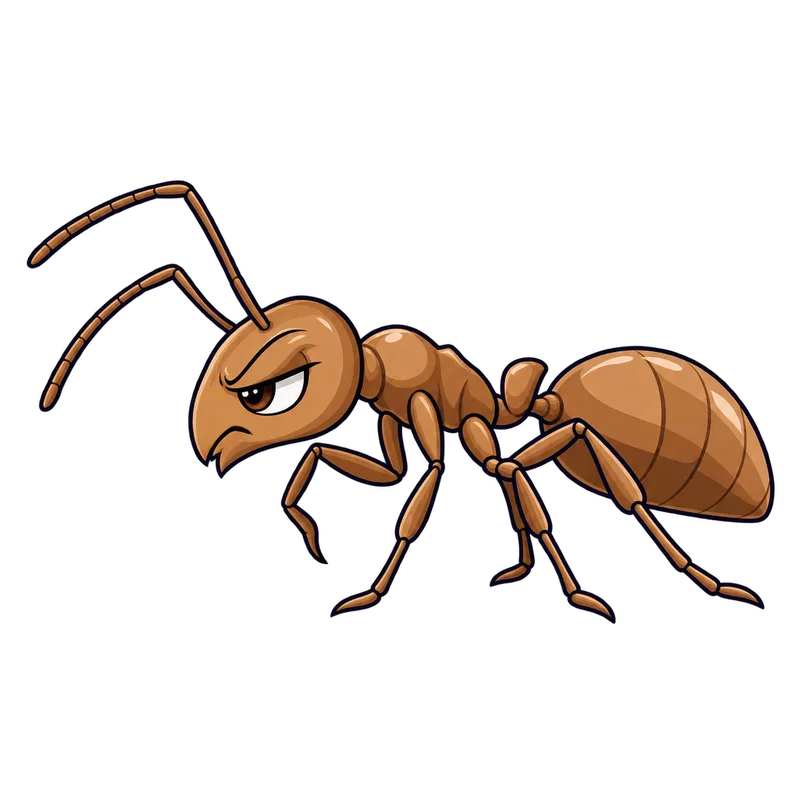
Argentine ants are a problem in practically every coastal strip, inland valley, and foothill community across California where people have built homes, planted lawns, and turned on sprinklers. They show up wherever municipal irrigation, dripping hose bibbs, air conditioning condensation lines, and kitchen plumbing leaks offer a reliable drink.
What is actually going on
You are standing at the kitchen sink on a warm Tuesday afternoon in California, reaching for a glass, when you notice a thin, dark line of tiny insects marching with military precision along the baseboard and straight up toward the faucet. You wipe them away with a soapy paper towel, only to find another column arriving an hour later from the gap behind the dishwasher. If you live almost anywhere in the populated regions of California, you are dealing with Argentine ants. They are a problem in practically every coastal strip, inland valley, and foothill community across the state where people have built homes, planted lawns, and turned on sprinklers.
Why do they show up in such overwhelming numbers? The natural climate in much of California does not give these insects the year-round moisture they crave. Originating in South America, Argentine ants require mild winters, warm summers, and a steady supply of dampness to survive. When the natural landscape dries out during the long rainless months, they do not pack up and leave. Instead, they converge on the artificial wetlands we create around our properties.
This brings them right into our daily lives. They gather wherever municipal irrigation, dripping hose bibbs, air conditioning condensation lines, and kitchen plumbing leaks offer a reliable drink. They do not care about your architecture or your interior design style. They care about moisture and calories. Once they find a water source or a drop of spilled juice on the counter, they lay down a chemical trail that pulls thousands of nestmates out of the dry soil or the damp wall voids straight into your living space.
Before you try to fix anything, you need to know what you are looking at, because treating the wrong insect is a complete waste of time. Argentine ant workers are small, measuring about 3 millimeters in length. They are usually a uniform mid- to dark-brown color, and if you look closely, you will notice they do not come in different sizes like some other ants do. Every single worker in that trailing line looks almost identical, possessing a teardrop-shaped head, long antennae, and a single, subtle bump on the waist that is often partially hidden by the abdomen.
You will usually spot them moving in tight, fast-moving, single-file trails along garden edges, foundation walls, or indoor countertops. If you crush one, you usually will not smell a distinct coconut or rancid odor, which helps separate them from the native odorous house ants that often share the same neighborhoods. Another detail that surprises people is that Argentine ants do not have a functional stinger. They can give a slight pinch if trapped firmly against your skin, but they rely on numbers and rapid movement rather than venom to defend themselves.
One thing they definitely do not do is eat your house. People often panic, thinking these tiny brown ants are chewing through structural timber the way termites might. Argentine ants lack the wood-digesting enzymes and robust mouthparts needed to damage sound wood. They might nest inside a damp wall void or an old termite gallery that has already been hollowed out by someone else, but the wood itself is not on their menu. They are after your food crumbs, pet bowls, and sugary pantry staples.
How to tell for sure
When you see that constant parade of ants heading across the kitchen floor, your first instinct is usually to grab a can of aerosol spray and wipe them out on the spot. Resist that urge, because killing the visible foragers with a contact spray is usually the quickest way to make a bad problem worse. When a multi-queen colony feels threatened by a harsh chemical spray, the colony simply fractures. The queens and worker groups scatter in a process called budding, turning one manageable indoor trailing problem into several separate satellite nests hidden behind your walls or under your floors.
Instead of spraying every ant you see, your most effective practical decision is to shift toward slow-acting baiting strategies and rigorous moisture management. Argentine ant colonies are massive supercolonies featuring multiple reproductive queens working together in shallow soil pockets, mulch beds, or structural cavities. To make a real dent in the population, you need to let foraging workers find a sweet, non-repellent liquid or gel bait and carry that slow-acting toxicant back to the nest to share with the queens and larvae through food exchange.
At the same time, you have to cut off the water supply that drew them in. Walk the exterior of your house and check for dripping hose bibbs, leaky irrigation lines, and air conditioning condensation drains that pool near the foundation. Move organic mulch away from the walls and keep your tree branches and shrubs pruned back so they do not touch the roofline. When you remove the artificial moisture sources and use baits rather than scatter sprays, you stop treating mere symptoms and start disrupting the colony's survival.
What usually comes next
Most Argentine ant invasions can be managed with steady sanitation, moisture control, and careful placement of appropriate baits, but there are times when you should hand the job over to someone else. If indoor trailing persists week after week despite your best efforts, or if you notice ants emerging continuously from electrical switch plates, drop-ceiling panels, or inaccessible wall voids, it is time to call a state-licensed pest control operator. Professionals have access to specialized application tools and advanced non-repellent products designed to reach large supercolonies hidden deep within structural cavities where homeowner-grade methods cannot reach.
When to get help
You also need to keep safety boundaries firmly in mind regarding family, pets, and the environment. Chemical baits and perimeter treatments must always be placed strictly out of reach of children and domestic pets. If you are using professional-grade products outdoors, remember that certain active ingredients are highly toxic to aquatic life and must never be allowed to wash into storm drains, creeks, or open bodies of water. Always let the product label govern your actions, as state and federal laws require treating the label instructions as binding legal rules.
On the health side, Argentine ants do not carry venomous stingers or pose a direct medical danger to humans. However, because they travel across outdoor soil, trash bins, and kitchen surfaces, people sometimes wonder about pathogen transmission. While the ants themselves do not cause clinical illness, anybody experiencing severe skin irritation, a suspected allergic reaction, or unusual symptoms after coming into contact with pests or pest control products should contact a qualified clinician, an urgent care provider, or a regional poison control center immediately.