
What should you do after a fire ant sting?
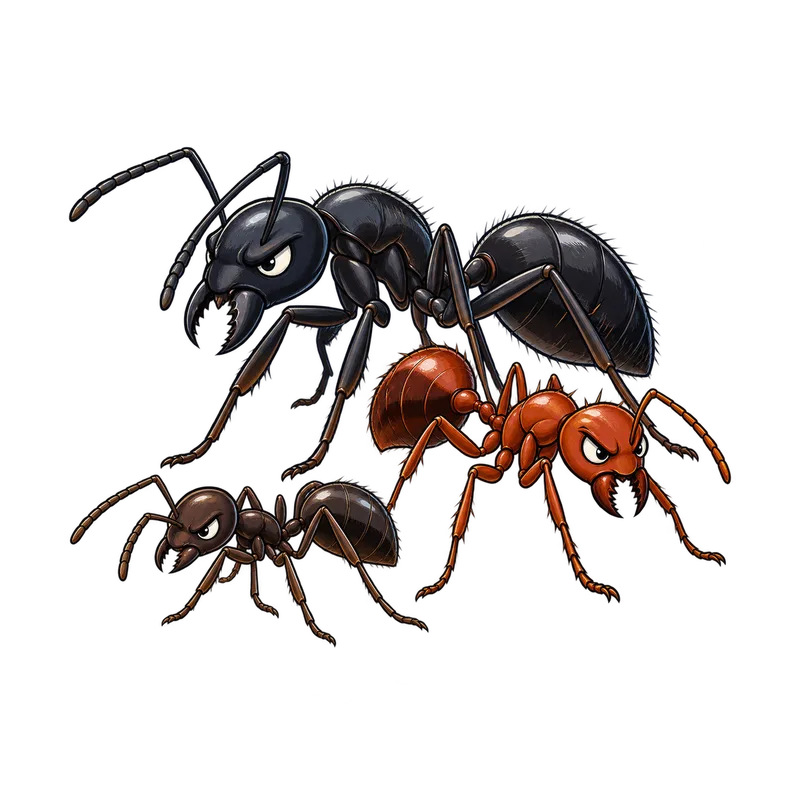
After a fire ant sting, get away from the mound and brush the insects off your skin without crushing them. Remove any rings or watches immediately because the venom causes rapid swelling, then wash the sites with soap and warm water, elevate the limb, and apply an ice pack.
What is actually going on
You are halfway through mowing the back lawn, pushing the machine around the corner of the garden bed, when a sharp, searing pain bites into your ankle. Within seconds, it feels like hot oil has been splashed against your skin. You drop the handle, step back onto clear grass, and look down to find half a dozen tiny reddish ants swarming up your sock, each one anchored by its jaws with its abdomen curled beneath it. You brush them off in a panic, but the burning intensifies, turning your afternoon upside down.
What you should do first is get away from the mound and brush the ants off your skin without crushing them against yourself, since smashing them can trigger even more defensive stinging. Do not waste time hunting for a stinger to scrape away. Unlike honey bees, fire ants do not leave behind a barbed stinger or a venom sac when they attack. They use their jaws to hold on while they sting repeatedly with a smooth, needle-like ovipositor. That means scraping at your skin is completely unnecessary.
Instead of worrying about a leftover stinger, take a hard look at your hands and wrists. If you are wearing any rings, a watch, or bracelets on the affected limb, slide them off right now. Fire ant venom causes immediate localized swelling that can double the volume of tissue within minutes, and a snug wedding band can quickly turn into a tourniquet if you wait.
Once your jewelry is off, head indoors or to a water source and wash the sting sites thoroughly with plain soap and warm water. This simple step clears away any lingering residue and guards against secondary bacterial infections that love to take advantage of broken skin. Prop the stung arm or leg up to heart level to keep fluid from pooling, and slap an ice pack wrapped in a cloth against the burning spots to tame the fire.
People often assume any small red ant in the yard is a fire ant, but telling them apart usually requires looking at a few specific details. Fire ants usually build visible, dome-shaped dirt mounds in open, sunny areas like lawns, pastures, and road shoulders, rather nesting under wood or inside rotting logs like some other nuisance species. If you disturb one of these mounds with a rake or a stray foot, the workers boil out in large numbers with a fierce, aggressive defense strategy.
How to tell for sure
To be certain you are dealing with actual fire ants, you usually need a close look at their physical build. To the naked eye, they look like small, reddish-brown or dark-brown insects ranging in size within the same colony. If you want to verify the species, you generally have to trap a specimen and inspect it under a 10x magnification hand lens. Fire ants belong to a genus distinguished by having two distinct nodes or bumps on the pedicel, which is the narrow waist connecting the thorax to the abdomen.
The reaction on your skin also tends to follow a predictable pattern, though it rarely offers a clean diagnosis on its own. The initial pain usually settles into a fierce burning sensation that lasts 10 to 15 minutes, followed by a small, raised red bump. Over the next 24 to 48 hours, the cytotoxic piperidine alkaloids in the venom go to work, converting that bump into a sterile, fluid-filled pustule that itches intensely for several days.
What usually comes next
When you are staring at a cluster of fiery stings on your leg, your main practical choice is figuring out how to handle the local discomfort without making a bad situation worse. You can typically manage an uncomplicated reaction at home using over-the-counter options like topical diphenhydramine creams or cold compresses to calm the itching and swelling. Some traditional garden guides even note that applying wet table salt directly to the fresh sting site can help lessen the initial pain and swelling.
The one thing you must never do to those pustules is pop them. It is tempting to squeeze or break the blisters to speed up healing, but doing so tears away the protective roof of the skin and invites bacteria right into a sterile chemical wound. Leave the pustules intact so they can dry out and resolve on their own over the course of a week.
If your yard is overrun with these mounds, your next big decision involves property management rather than first aid. Treating active nests safely usually calls for hiring a licensed pest control professional who can apply registered baits or targeted treatments according to strict label directions. Trying to shovel or flood a large mound yourself often backfires by scattering the colony and creating dozens of new nests across your lawn.
When to get help
Most fire ant stings stay local and unpleasant, but certain symptoms cross the line into a medical emergency. You need to call emergency services immediately if the stung person develops systemic signs of an allergic reaction. These red flags typically start within 10 to 30 minutes and include trouble breathing, throat tightness, wheezing, hoarseness, dizziness, widespread hives, facial swelling, or severe abdominal cramps. In the United States, you can contact the National Poison Control Center at 800-222-1222 for urgent triage guidance.
Statistical data on stinging insects show that more than half of all fatal reactions occur in under an hour, with the vast majority stemming from respiratory failure and airway obstruction. If the victim has a prescribed epinephrine auto-injector, use it right away at the first sign of systemic distress. Even if the epinephrine seems to work and the breathing clears up, you still need to transport the person to an emergency facility without delay. Secondary waves of allergic symptoms can strike hours later even after initial stabilization.
Anyone who experiences a systemic reaction or a severe large local reaction covering an entire limb should schedule a follow-up with an allergist to discuss venom immunotherapy. These specialized desensitization shots can retrain the immune system and drastically lower the risk of a dangerous reaction from future stings.