
How do you get rid of tiny ants in the bathroom?
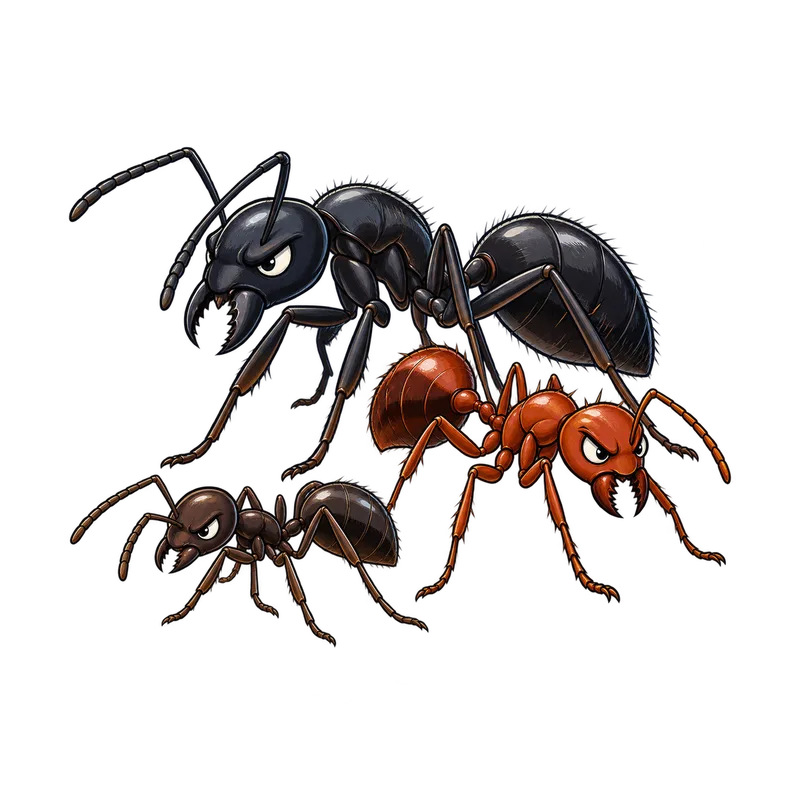
To get rid of tiny ants in the bathroom, you need to use slow-acting gel baits or enclosed stations instead of quick chemical sprays. Let the foraging workers eat the bait and carry the poison back to the queen hidden in the walls. At the same time, fix leaky pipes, reculk cracked basins, and wipe down excess condensation.
What is actually going on
You walk into the bathroom first thing in the morning, reach for the faucet, and notice a neat little parade of tiny brown dots marching across the porcelain edge toward a stray drop of water. It is baffling because you keep a clean house, there are no crumbs on the floor, and nobody is eating breakfast in the shower. Wiping them away with a damp towel feels satisfying, but by afternoon, the line is back. You are left wondering why they chose the one room in the house completely devoid of food.
The short answer is that they are not looking for snacks. They are looking for a drink. Bathrooms are essentially desert oases for small insects, offering a combination of high humidity, condensation around pipes, and free water trapped in grout lines or leaking fixtures. Even when a home is spotless, foraging workers will cross thresholds simply to secure hydration for their colony.
Once those workers find a reliable moisture source, they lay down a chemical trail that summons their nestmates. If you grab an aerosol can of bug spray and blast the line, you will kill the few dozen workers currently on duty, but you will leave the thousands back inside the wall voids completely unharmed. Worse yet, if those insects happen to be a multi-queen species, harsh chemical sprays will actually cause the colony to fracture and scatter into dozens of new sub-colonies throughout your walls.
Eradicating them requires a complete shift in strategy. Instead of treating the bathroom like a battleground where you smash every visible scout, you have to treat it like a delivery route. The goal is to let the foragers take a slow-acting poison back to the nest, where they share it with the queen and the larvae through social feeding and the exchange of liquids.
How to tell for sure
Before you buy any products, you usually need to figure out what you are looking at. Most tiny ants in bathrooms fall into a few common groups, such as tiny pale ghost ants or minute Pharaoh ants, which measure around 1.5 millimeters in length. If you notice much larger black or reddish insects ranging up to a half-inch long, you might be dealing with carpenter ants. Those larger pests do not actually eat wood, but they usually excavate galleries in timber that has been softened by long-term moisture leaks around a shower frame or a tub seal.
You also want to make sure you are not looking at termites. People often panic when they see winged insects in a bathroom during mating season, assuming the worst for their structural framing. You can usually tell the difference by looking at three simple physical features without needing a magnifying glass.
An ant usually has a narrow, pinched waist that looks like a wasp, while a termite has a thick, straight body. Ants have bent, elbowed antennae, whereas termites have straight, bead-like ones. If you happen to catch them with wings, an ant has a front pair that is visibly longer than the back pair, while a termite has four wings of roughly equal length. Taking thirty seconds to check these details prevents you from buying the wrong treatments entirely.
What usually comes next
Your main practical choice boils down to picking between a quick fix that feels good immediately and a slow strategy that actually solves the root issue. If you decide to go with the slow strategy, you have to accept a bit of a temporary nuisance. When you place gel baits or enclosed stations containing non-repellent active ingredients near active water sources, you usually have to resist the urge to wipe away the insects or spray them with household cleaners for a few days.
The hardest part of this phase is simply watching the bugs gather around the bait station without interfering. If you spray a repellent cleaner anywhere near the bait, they will detect the chemical barrier and avoid the trap altogether. You need to let them eat, load up, and carry the toxic material back into the hidden cavity where the queen lives.
At the same time, you have to cut off the supply that brought them there in the first place. Fixing a leaky pipe joint, recaulking a cracked shower basin, or simply wiping down excess condensation after a hot shower removes the primary attraction. Once the water dries up and the bait finishes working through the colony, the parade stops for good.
When to get help
There are times when a bathroom ant problem outgrows a weekend DIY project and requires outside intervention. If you have spent two weeks diligently placing baits and sealing gaps only to watch the numbers increase, or if you spot piles of coarse, fibrous wood shavings beneath your baseboards that look like sawdust, you should call a licensed pest control operator immediately. Those wood shavings are a classic sign of carpenter ants excavating structural framing, and surface baits alone will not save damaged timber.
You should also bring in professionals if you live in an apartment building or a multi-family complex. In shared structures, bathroom pests frequently travel through common vertical pipe chases from neighboring units, meaning your individual bathroom is just one small stop on a much larger highway system. Treating your unit alone rarely works when the parent nest resides three floors down or next door.
On the health side, if you or a family member suffers an unexpected sting or an allergic reaction from an insect encounter, do not attempt home treatment or wait to see if it passes. Seek immediate guidance from a qualified clinician, an urgent care facility, or your local poison control center. Insect venom can trigger severe reactions in sensitive individuals, and professional medical assessment always takes priority over household pest control.