
What are ghost ants and how are they controlled?
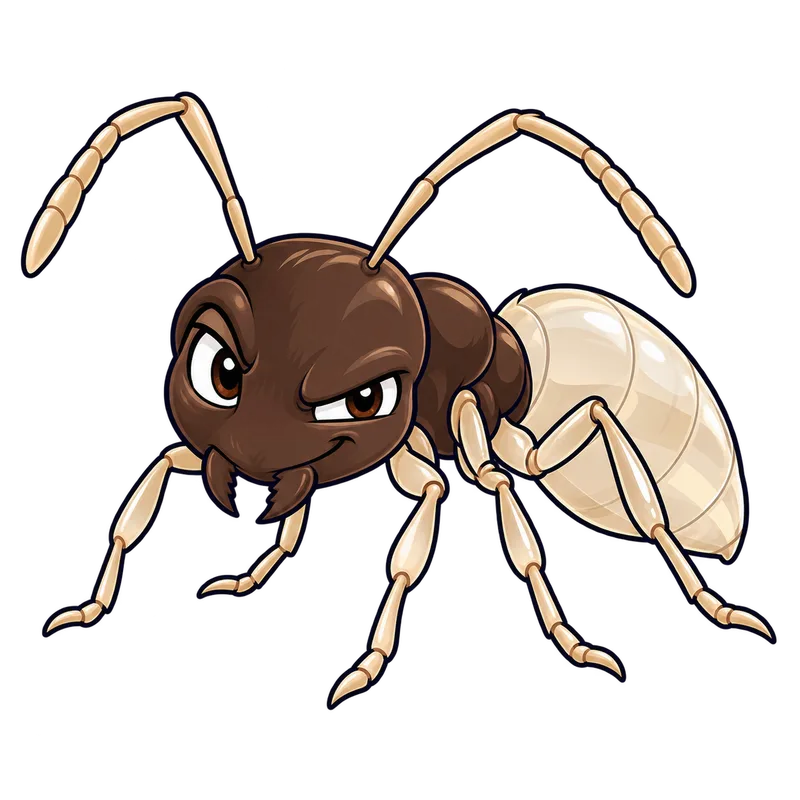
Ghost ants are minute indoor pests measuring under two millimeters in length, featuring dark brown heads with pale translucent white abdomens. They are controlled by securing food and water sources combined with slow acting baits or insect growth regulators that workers carry back to destroy the hidden colony inside wall voids.
What is actually going on
You walk into the kitchen early in the morning, flip on the light, and head for the coffee pot. On the counter next to the sugar container, you catch a sudden, frantic blur of movement. You lean in close, but the insects are so small and pale that they seem to blink out of existence against the laminate surface. You wipe the counter clean with a damp paper towel, feeling accomplished, only to find another small procession gathered around the exact same spot an hour later.
You are looking at ghost ants. These insects prefer living right alongside humans inside heated homes, apartments, and commercial buildings. They are notorious indoor pests across warm regions and heated northern structures. What they want from your home is straightforward: warmth, moisture, and sweet, carbohydrate-rich food. They will happily raid open sugar bowls, spilled syrup, cereal boxes, soda cans, and pet food dishes.
Unlike termites or carpenter ants, ghost ants are purely nuisance pests. They do not eat timber, chew through structural wall studs, or dig galleries into your home framing. Their main offense is invading human living spaces to spoil stored food and establish colonies inside interior wall voids, drop ceilings, and cabinet bases.
Reaching for a standard can of aerosol bug spray usually makes the problem worse. Spraying visible worker ants on the counter is like trying to dry an overflowing bathroom floor while the bathtub faucet is still running full blast. Contact sprays kill only the few foraging workers you can see. The hidden queen and thousands of developing larvae tucked deep inside your walls remain unharmed. Worse yet, harsh chemical sprays can cause the colony to panic, scatter, and split into multiple satellite nests around the house, multiplying your headache overnight.
How to tell for sure
Identifying the insect in front of you is always the first step before buying control products. Ghost ants get their common name from their unique coloring and erratic movement. Workers are minute, measuring under two millimeters in length. Their head and upper body are dark brown or black, but their abdomen and legs are pale, translucent white or pale yellow. Because their lower body is clear and tiny, they seem to disappear when moving across light surfaces, leaving only a dark speck scurrying frantically in zigzags.
Homeowners frequently mistake household ants for termites, but a quick physical check will usually tell you which one you are dealing with. Think of an ant body like a pinched hourglass, because it has a narrow, distinct waist connecting its middle and rear sections. A termite looks more like a straight soda can, with a thick body and no waist constriction. Ants also have elbowed antennae that bend like tiny arms, whereas termites have straight, beadlike antennae. If you spot winged swarmers, ant wings are unequal in size, with the front wings noticeably larger than the hind wings, while termites have four wings that are completely identical in size and shape.
You can also differentiate ghost ants from other common indoor ant species. Stinging fire ants possess two distinct raised nodes on their narrow waist and deliver painful, burning stings that form white pustules on skin. Ghost ants do not possess a sting. Carpenter ants are far larger, with workers usually ranging from four to ten millimeters in length, and they leave behind tiny piles of fibrous wood shavings as they hollow out damp timber. Ghost ants leave no wood debris behind.
While basic anatomical differences like waists and antennae are usually easy to see with the naked eye, confirming the exact species can sometimes require magnification under a hand lens, or evaluation by a local university extension specialist. If you are unsure what species has invaded your kitchen, collecting a few specimens helps avoid wasted money on the wrong treatments.
What usually comes next
Tackling ghost ants means ditching the spray cans and focusing on wiping out the whole colony while fixing basic habits around the house. If you leave water leaks dripping and food sitting out on the counter, any chemical treatment you try is bound to fail.
Start by locking down water and food sources. Ghost ants are drawn to moisture anywhere they can find it, including leaky supply lines, dripping sink drains, loose pipe joints, and the condensation pooling around refrigerator lines. Fixing those plumbing leaks cuts off the steady water supply the colony needs to survive. In homes with ongoing dampness, the ants just keep growing their colony no matter how many bait stations you put down. Next, clear away every food source in sight. Put sugars, syrups, honey, boxed cereals, and baking supplies into airtight glass or heavy plastic containers. Wipe down your pantry shelves and clean up the hidden crumbs lurking under the toaster and refrigerator.
Chemical control means using slow-acting baits that do not repel the insects, or insect growth regulators. Slow-acting baits work because social insects share their liquid meals with each other, passing food along to the larvae and the queens back in the nest. Think of it like a neighborhood potluck where everyone shares. Foraging workers eat the bait, carry it deep inside the wall void, and feed the rest of the colony meal by meal.
If a pesticide kills the worker ant in five minutes flat, that food sharing stops, and the queen just keeps pumping out new workers. When the active ingredient takes twenty-four to seventy-two hours to work, the poison or growth regulator spreads all through the hidden nest before the ants even start dropping. Growth regulators work by messing up how the insects molt and lay eggs, which collapses the colony from the inside out.
Put gel or enclosed bait stations right along the paths where you see ants walking, near gaps in the baseboards, or close to where pipes enter the wall. Never spray regular bug killer over or near your bait stations. Those sprays repel the ants, making them turn around and avoid your bait entirely. To keep them from coming back, seal up their entry points. Use silicone caulk or expanding foam to fill cracks in the baseboards, gaps around window frames, and holes where utility pipes run through the walls.
Safety is the absolute priority whenever you use pest control products. Read every word on the pesticide product label and follow it to the letter. The label is not a list of helpful suggestions, but a legally binding set of rules covering where you can put the product, how much to use, and how to place it safely. Keep all bait stations and gels completely out of reach of young children and household pets. Always store leftover chemical products in their original bottles inside locked cabinets well off the floor.
When to get help
Plenty of small ghost ant issues can be solved with careful baiting, fixing leaks, and keeping food locked up tight. Even so, certain situations mean it is time to call a licensed pest control professional.
If you live in an apartment building or a condo complex, treating just your own kitchen rarely solves the problem. Ghost ants set up linked satellite nests across drop ceilings, shared utility spaces, and common walls. When the ants crawl freely between different units, you need a coordinated, building-wide inspection and baiting plan from a professional pest company to clear the whole structure.
You should also bring in an expert if you spot any signs of damage to the wooden structure of your home. Ghost ants do not chew wood, hollow out support beams, or leave behind piles of sawdust. If you find hollowed-out timbers, mud tubes, or piles of wood shavings, your home has wood-destroying insects like termites or carpenter ants instead. Those pests need specialized structural treatments, soil barriers, or professional repairs that go far beyond standard do-it-yourself ant baiting.
Lastly, keep health and safety in proper perspective. Ghost ants do not have a sting and do not bite human skin. If anyone in your home deals with unexplained insect bites, strange rashes, or allergic reactions, talk to a qualified medical doctor, visit an urgent care clinic, or call poison control right away. Pest advice can help you clear out household insects, but medical diagnoses and skin treatments are strictly up to healthcare professionals.