
How are carpenter ants inside walls dealt with?
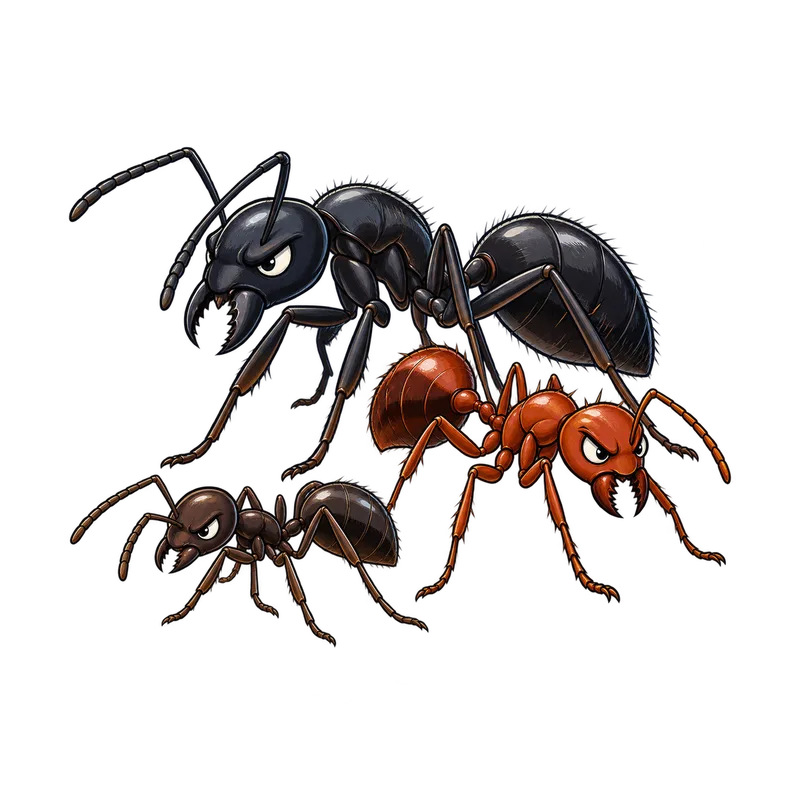
Carpenter ants inside walls are dealt with by finding the exact interstud cavity and introducing a specialized dust or non-repellent insecticide directly into that void space. Spraying regular bug killer along baseboards does not work because it only kills foraging workers. Success also depends on fixing whatever moisture problem originally drew the insects to that part of the house.
What is actually going on
You are sitting in the living room on a quiet Tuesday evening, reading a book or watching television, when you notice a faint rustling sound coming from behind the drywall. It sounds almost like someone gently crinkling dry leaves or cellophane inside the wall. A few days later, you sweep up a tiny pile of coarse sawdust on the baseboard directly below that spot, complete with what looks like microscopic ant parts mixed into the debris. If this has happened in your home, you are likely dealing with carpenter ants that have set up housekeeping inside your wall voids.
Dealing with these insects requires a very specific approach because, unlike what many people assume, carpenter ants do not actually eat wood. They chew through structural timber or damp framing solely to excavate clean, smooth galleries for nesting and raising their brood. When you find them inside a wall, you are usually looking at a satellite nest. This is a secondary colony established by worker ants that have transported older larvae and pupae away from a primary parent nest, which is typically located outdoors in a decaying tree stump, rotting log, or damp landscape timber where the main queen resides.
Eradicating carpenter ants from a wall void therefore requires a targeted sequence. You have to find the exact interstud cavity where they are hiding, introduce a specialized dust or non-repellent insecticide directly into that void space, and fix whatever moisture problem originally drew them to that part of the house. Spraying regular bug killer along your baseboards will not work. That only kills the few foraging workers walking out in the open, leaving the queen and the rest of the colony safely tucked away inside the wall.
Carpenter ants are master architects of decay only in the sense that they exploit it, rather than cause it entirely on their own. They prefer wood softened by fungi, moisture, or previous damage because it is easier to carve. A mature colony takes years to develop thousands of workers, and once it outgrows its outdoor home in a rotting log, scout workers locate moisture anomalies inside buildings. They find leaky window frames, poorly flashed roofs, or condensation behind bathroom tiles.
Workers establish commuter routes between the damp outdoor headquarters and the dry, warm interior wall voids. The indoor satellite nest houses workers, pupae, and winged reproductives, but rarely the primary egg-laying queen. This separation is why treating only the indoor ants fails so often. As long as the outdoor nest remains intact and the wood stays damp, new waves of workers simply march back inside to replace the ones you managed to kill.
How to tell for sure
Before you do anything else, you need to make sure you are actually dealing with carpenter ants and not termites or powderpost beetles. Carpenter ants are usually quite large, with major workers measuring up to twelve millimeters in length and possessing large head capsules and strong jaws. They are typically black or dark brown, though some regional species feature reddish thoraxes. If you see them marching across your kitchen counter in broad daylight, they are usually just foragers looking for food to carry back to the hidden wall nest.
The most telling physical clue is the debris they leave behind, known as frass. Unlike drywood termites, which drop hard, six-sided fecal pellets, or powderpost beetles, which reduce wood to a fine, flour-like powder, carpenter ants produce a very distinct mixture. Their frass consists of coarse, fibrous wood shavings that look like pencil sharpener waste, and it is usually littered with discarded ant body parts, head capsules, and parts of insects they have eaten. You will usually find this pile beneath a tiny, slit-like opening in the wall, window frame, or door casing where the workers have kicked out the debris from their indoor excavations.
You can also use sound to help confirm the diagnosis. If you press your ear against the drywall in the quiet of the evening, or use a doctor stethoscope if you happen to have one, you might hear a faint acoustic rustling or crackling from the active colony inside the stud space. The interior of their wooden galleries is carved so smoothly that it often feels like it has been rubbed down with fine-grit sandpaper, completely free of the mud tubes or messy mud plastering that subterranean termites leave behind in wood framing.
What usually comes next
Your main practical decision at this point comes down to choosing between a targeted local intervention or calling in professional help, but the first step is always tracking down the nest rather than grabbing a can of surface spray. If you can locate the exact wall void using visual frass piles or nocturnal acoustic checks, the standard method involves drilling small access holes, typically a quarter-inch across, right between the framing studs. Through these holes, pest control operators inject specific inorganic desiccant dusts, such as fluorinated silica aerogel, which strips away the protective waxy layer on the ants and causes them to dehydrate.
However, you must decide whether your home has conditions that complicate this simple drill-and-treat method. If the wall cavity contains fiberglass insulation or blown-in cellulose, standard dusts cannot circulate freely to reach the colony. Similarly, if the infestation stems from chronic water leaks behind a shower or roof flashing, simply treating the wall will offer only temporary relief. The ants will return as long as the wood remains soft and damp. You have to decide whether you are equipped to locate hidden wall voids and correct structural moisture issues, or if the situation calls for professional management.
When to get help
There are clear boundaries where a homeowner should stop attempting DIY inspection and bring in a professional pest control operator. If the suspected wall void is located directly adjacent to complex electrical wiring, plumbing stacks, or gas lines, drilling blind holes presents a severe risk of puncturing a utility line or causing an electrical short. Professionals also possess specialized equipment, such as high-pressure dust blowers and acoustic motion detectors, which allow them to treat hard-to-reach multi-story wall cavities and overhead roof voids safely and thoroughly.
You should also involve a professional if structural framing members like floor joists, window headers, or mudsills have suffered extensive damage from years of unchecked excavation, as this requires a structural timber assessment and potential reinforcement. Regarding personal health, carpenter ants do not possess a stinger, but major workers can inflict a painful bite with their mandibles and spray formic acid into the wound. If anyone in the household experiences an unusual skin reaction, significant swelling, breathing difficulty, or signs of a systemic allergic reaction following an encounter with these ants, contact a qualified clinician or poison control center immediately.