
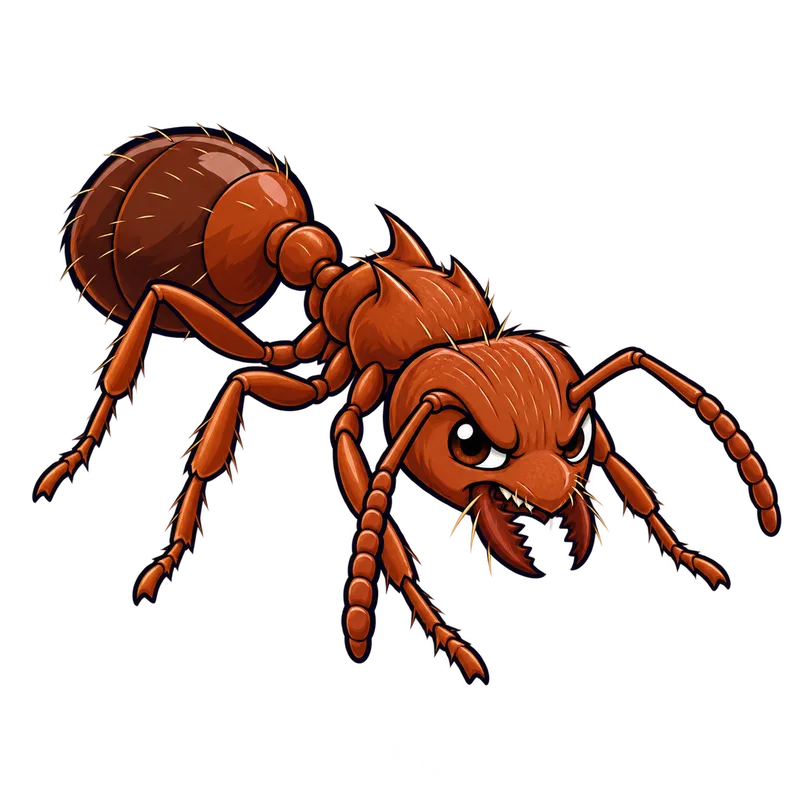
European fire ant
Myrmica rubra
- Size
- Not established
- Color
- Not established
- Habitat
- Not established
- Diet
- Not established
- Life cycle
- Not established
The European fire ant is a small insect that you might encounter unexpectedly when turning over a garden stone or weeding a damp flower bed. It is a social creature that builds colonies beneath the soil surface, under rotting logs, or in shaded lawn turf. If you are reaching down into the mulch with your bare hands, you are stepping right into their territory.
Identity
The European fire ant is best identified by someone with a steady hand and a good magnifying lens, because separating it from other backyard ants requires a close look at the waist segments. It features a two-node waist between the thorax and the abdomen, which is a structural trait you will not find on single-node ants like carpenter ants. The body color tends toward a reddish brown, but relying purely on color can lead you astray since many harmless ants share that exact same shade. You will need to check the spine length on the propodeum, the rear section of the middle body, which features distinct sharp spines pointing backward.
Habitat & behaviour
These ants prefer damp, cool environments, which is why you find them hiding under paving stones, rotting wood, and thick garden mulch rather than out in the dry, baked open sun. They do not eat your house, so finding them near the foundation does not mean they are chewing through your structural framing. Instead, they are foraging for sweet liquids, scavenging dead insects, and tending to sap-sucking garden pests for honeydew. When their nest is disturbed, they do not hesitate to defend it aggressively in large numbers.
Visual variations
Like many social insects, this species divides its colony into distinct types depending on their job. Workers are the sterile females you see running around outside the nest, lacking wings entirely and carrying all the foraging duties. Reproductive males and queens appear later in the season and possess membranous wings for flight, though they drop those wings soon after mating to start new colonies. The workers stay uniform in size within the colony, unlike some other ant species that feature giant majors with oversized jaws.
Why it matters
An encounter with these ants can ruin a sunny afternoon in the yard because their sting delivers a sharp burn and can form small, itchy bumps on your skin. However, you should never try to guess the culprit from a red mark alone, since many different insects leave behind identical skin reactions. When someone suffers a severe allergic reaction or a localized infection from a sting, skip the guesswork and contact a clinician or poison control center right away. If you need to know exactly which pest you are dealing with, save yourself the trouble and hand a physical specimen over to a licensed pest control professional or an entomologist.
Similar species
 Yellow meadow antLasius flavus
 Crazy antsNylanderia, Paratrechina and Anoplolepis species
 Black carpenter antCamponotus pennsylvanicus
 Red imported fire antSolenopsis invicta
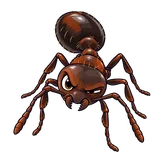 Black imported fire antSolenopsis richteri
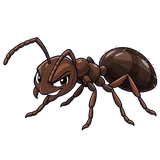 Odorous house antTapinoma sessile