
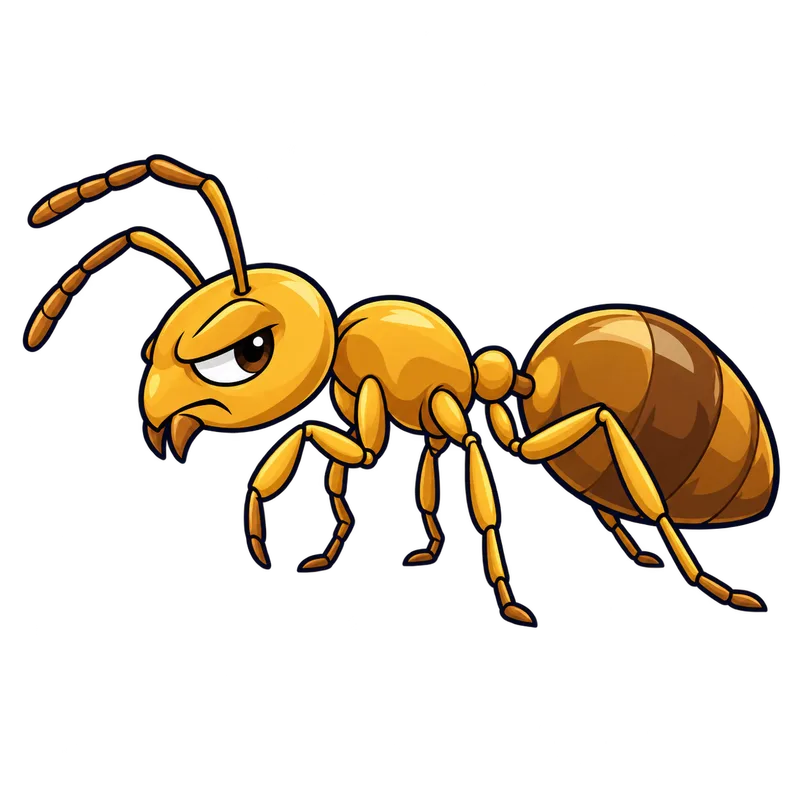
Yellow meadow ant
Lasius flavus
- Size
- Not established
- Color
- Not established
- Habitat
- Grasslands and subterranean soil mounds
- Diet
- Honeydew from root aphids and sugary liquids
- Life cycle
- Egg, larva, pupa, and adult
You are unlikely to spot a yellow meadow ant out on your kitchen counter, because these creatures prefer the dim, damp interior of an earthen mound hidden beneath a lawn rather than the sticky sugar spills of a pantry. If you manage to collect a specimen and put it under a hand lens at 10x to 40x magnification, you will see a single distinct node on the narrow waist separating the middle body from the round abdomen behind it.
Identity
Their antennae feature an unmistakable bend, meaning the first segment is long and forms an elbow before meeting the rest of the sensory segments. This physical blueprint instantly separates true ants from termites, which wear their antennae straight on a thick, unconstricted waist. Positive confirmation of the species usually requires a trained eye and a microscope rather than a quick glance in the grass.
Habitat & behaviour
The life of a yellow meadow ant is largely underground, anchored in permanent grasslands, pastures, and quiet lawns where they construct domed earth mounds. These subterranean architects spend their time tending to root aphids, acting as tiny livestock farmers who protect the sap-sucking insects in exchange for sweet excretions called honeydew. They do not care for your household crumbs or the structural timber holding up your kitchen floor.
When summer warmth and humidity peak, you might witness their reproductive flights, where winged forms leave the safety of the soil to mate in the open air. This mass swarming behavior can cause a momentary panic when hundreds of winged insects suddenly appear around outdoor lighting, but the spectacle typically resolves itself within a few hours. They are remarkably sensitive to climate shifts, yet their underground habits keep them safely insulated from the daily hustle of human living spaces.
Visual variations
Ants go through a complete transformation with four distinct stages, namely egg, larva, pupa, and adult. Down in the dark chambers of the nest, the colony divides its labor among distinct castes. Workers are sterile females tasked with excavating soil, expanding the mound, tending the brood, and milking their underground aphid herds.
The reproductive members of the colony tell a different story. Queens and males develop wings just in time for the seasonal mating flights. If you examine one of these winged reproductives, you will find two pairs of transparent wings where the front pair is noticeably longer than the tiny hindwings tucked behind them. Once a queen successfully mates, she drops those wings in the dirt, digs a small founding chamber, and begins the lonely work of rearing her very first brood entirely on her own reserves.
Why it matters
Finding ant mounds in the yard can be frustrating if you pride yourself on a pristine, flat lawn, but the insects themselves pose zero threat to your home. They do not consume cellulose, they do not tunnel through wood, and they carry no hidden agenda to chew up your drywall or floor joists. Unlike wood-destroying carpenter ants, these subterranean dwellers lack the capacity to compromise structural timber.
You also do not need to worry about venomous stings or disease transmission, as these ants do not possess a functional stinger and are not known as vectors for human illness. Their presence in a yard is a sign of undisturbed soil rather than an impending structural disaster. If you happen to notice piles of sawdust or actual damage to your framing, you are looking at the work of an entirely different culprit, making a professional inspection essential before jumping to any conclusions.
Similar species
 Crazy antsNylanderia, Paratrechina and Anoplolepis species
 Black carpenter antCamponotus pennsylvanicus
 Red imported fire antSolenopsis invicta
 Black imported fire antSolenopsis richteri
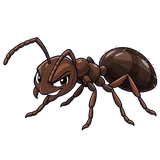 Odorous house antTapinoma sessile
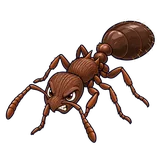 Pavement antTetramorium immigrans