
Do ghost ants bite?
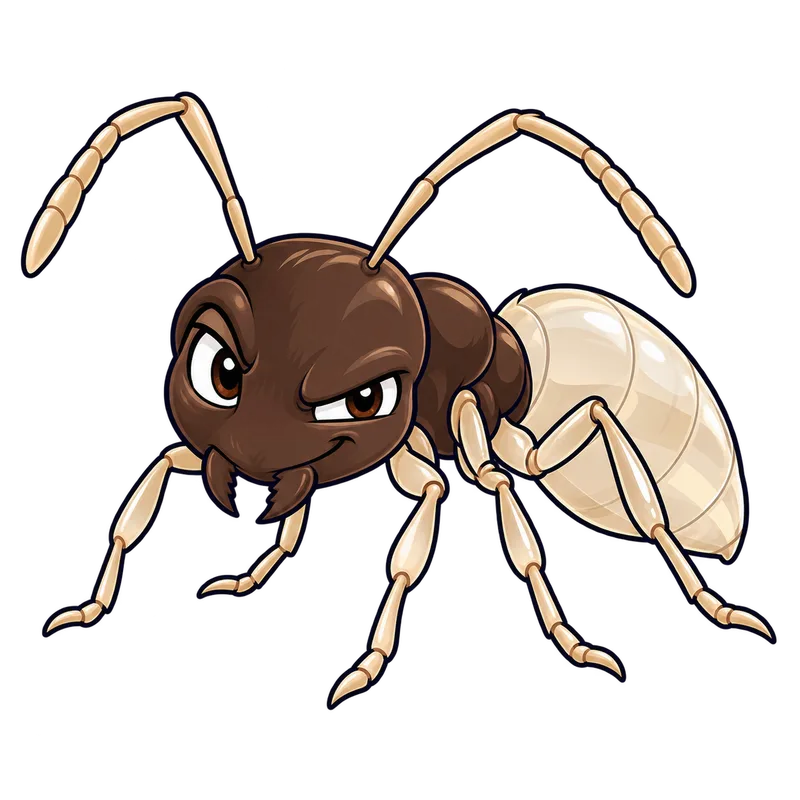
No, ghost ants do not bite humans, nor do they sting. Ghost ant workers measure only about 1.3 to 1.5 millimeters in length, and their mouthparts are far too small to break through human skin.
What is actually going on
Picture this. You pour your morning coffee, grab the sugar canister from the counter, and notice a frantic crowd of microscopic specks darting across the kitchen laminate. Your first instinct is to swat at them, wondering if those tiny little things are going to leave you itching all day. You might have heard stories about ants that bite, or maybe you just assume that any insect sharing your house has it out for your skin.
So, do ghost ants bite? The short answer is no. Ghost ants do not bite humans, nor do they sting, and they certainly will not leave you with itchy red bumps. Their primary impact is simply spoiling carbohydrate-rich food stores.
That lack of aggression comes down to basic biology. Ghost ants belong to a subfamily of ants that completely lack a functional stinger, which instantly separates them from notorious stinging pests like fire ants. More than that, ghost ant workers measure only about 1.3 to 1.5 millimeters in length, making them roughly the size of a grain of sand or a speck of black pepper. Their mouthparts are simply too small and anatomically reduced to pinch or break through human skin.
Instead of looking for a fight, their entire existence revolves around finding something sweet. When you spot them marching across your counters, they are hunting for sugar, syrup, or grease. Their true talent lies in contaminating pantry stores and turning up in places they should not be, rather than launching any kind of physical assault on you or your family.
People usually assume ghost ants are biting because they feel a faint tickling sensation or notice mysterious red bumps after spending time in an infested room. But when you actually look closely at the culprits, the physical evidence usually tells a very different story.
To the naked eye, a ghost ant is hard to miss once you know what to look for. They usually have a dark brown or black head and thorax, while their legs and abdomen are pale, yellowish, and semi-translucent. Because of that pale body, they tend to vanish against a light-colored kitchen counter, which is how they earned their spooky common name. When you disturb them, they do not square up or try to defend their territory. They usually scatter in a frantic, erratic rush, darting back and forth like hyperactive pinballs.
How to tell for sure
If you are trying to confirm what is crawling around your home, keep in mind that a layperson usually cannot tell ant species apart without magnification. Positive identification down to the exact species typically requires a specialist or a 10x hand lens to examine hidden body nodes and antenna segments. Furthermore, you can never reliably identify an insect bite or a skin reaction from a photograph or a visual description of a mark on your skin. If you have itchy bumps, the cause is usually something else entirely, such as fleas, bed bugs, mites, or everyday contact dermatitis.
What usually comes next
Once you realize those tiny invaders are after your groceries rather than your blood, you have to figure out what to do with them. The most sensible move right now is focusing on kitchen cleanliness and proper food storage instead of reaching for a chemical spray.
People often feel tempted to squirt a general aerosol insecticide right over a line of ants on the counter. Before doing that, think about how these colonies work in the real world. They frequently have multiple queens and spread by budding, which means the colony simply splits and scatters into hidden wall voids if a harsh contact spray threatens them. That quick reaction usually turns a small group on one counter into a major headache across multiple rooms.
Instead of spraying blindly, your best bet is cutting off their access to food and water. Lock down your sugar, honey, and cereal in airtight containers, wipe up sticky spills right away, and fix any leaky pipes under the sink. Starving them out and securing your pantry staples does far more than random chemical applications, keeping the focus where it belongs on removing the actual attraction. When you do use pest control products, every choice and application method must follow the product label instructions to the letter.
When to get help
Even though ghost ants are harmless nuisances that will not bite you, situations occasionally come up where you should hand the job over to someone else. If your ant problem covers an entire multi-family building, or if those tiny insects keep coming back despite your best cleaning and sealing efforts, it is usually time to call a licensed pest management professional. They have the specialized training and access to advanced baiting systems designed to wipe out complex colonies hiding inside structural wall voids.
As for your health, skin reactions call for a completely different approach. Never try to diagnose a skin bump, a rash, or an unexplained mark on your body by yourself, and never rely on internet advice to prescribe home treatments or topical medications.
Send any reader dealing with unexplained skin lesions, spreading redness, signs of a local infection, or systemic allergic symptoms straight to a qualified doctor, an urgent care clinic, or an emergency room. If you suspect a severe allergic reaction, a dangerous sting from a completely different pest, or accidental poisoning from mishandled products, contact your local emergency services or poison control center right away.