
Why are ants in the bathroom?
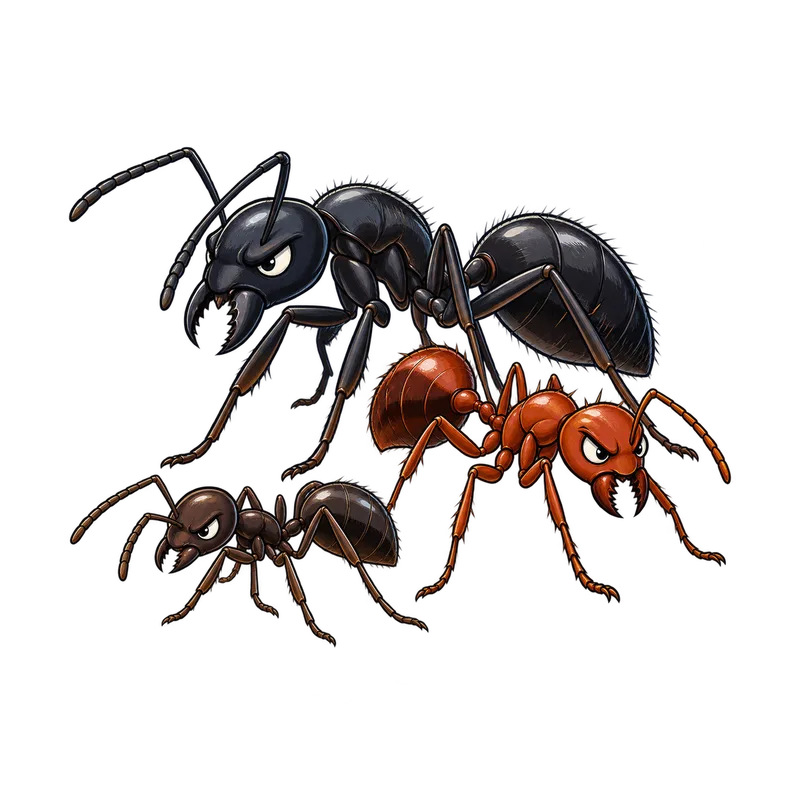
Ants are in the bathroom because they need moisture to survive during dry spells and heat waves, and bathrooms offer humidity, condensation, and leaks. Some ants are also hunting for damp, softened wooden framing behind shower tiles to build satellite nests.
What is actually going on
You walk into the bathroom barefoot on a Tuesday morning, flip on the light, and notice a steady, purposeful line of small dark insects marching from the baseboard straight toward the edge of the tub. It is an immediate mood dampener. You might wonder how they even found this room, let alone why they prefer the damp tiles over the rest of the house.
Ants in the bathroom are usually looking for an oasis, plain and simple. During dry spells or heat waves, homes dry out, and these small creatures need moisture to survive just like any other living thing. Bathrooms offer a jackpot of humidity, condensation on cold water pipes, standing water in drain traps, and tiny leaks around fixtures. They do not wander in by accident. They are drawn by a biological need for water and shelter, often traveling along unsealed gaps where plumbing pipes punch through concrete slabs or subfloors.
Beyond simple thirst, some ants are hunting for something far more destructive. If you have a slow leak behind the shower tile or a failing wax ring under the toilet, the wooden framing and subflooring can absorb enough moisture to soften. Carpenter ants love this kind of damp timber. They do not eat the wood for nutrition the way termites do, but they chew out smooth, clean galleries to house their satellite nests. Add in everyday organic debris like soap scum, dead skin flakes, and hair, and you have essentially built a luxury resort for ants that thrive alongside human construction.
How to tell for sure
Before you buy any products or start tearing up your baseboards, you need to know what you are looking at. People usually confuse ants with termites, especially when winged reproductives show up near a bathroom window. The easiest way to tell them apart is to look closely at their physical build, usually with a magnifying glass or your smartphone camera zoomed in.
Ants have a distinct, heavily pinched waist that looks like a tiny hourglass connecting the thorax to the abdomen, and their antennae are elbowed, bending sharply in the middle. Termites possess a broad, thick waist with no narrow constriction at all, and their antennae are straight and bead-like. If you happen to see winged versions of these bugs, the difference is just as clear. Winged ants have two pairs of unequal wings where the front pair is noticeably larger than the back pair. Winged termites have two pairs of identical, equal-length wings that stretch out past the end of their bodies.
You also have to look at the mess they leave behind. If you find small piles of coarse wood shavings that look like fine sawdust near the baseboard or inside the vanity cabinet, you are usually dealing with carpenter ants. They keep their galleries meticulously clean and push the debris out through tiny slit-like holes. Termites, on the other hand, line their tunnels with mud and excrement, and they leave behind tiny, hard fecal pellets with concave sides if they are drywood species.
What usually comes next
The single most practical decision you can make right now is to track down and fix any hidden moisture before you touch a single pesticide. If you grab a can of surface spray and blast the ants marching across your bathroom tiles, you will only kill a tiny fraction of the foraging workers. Worse yet, fast-acting sprays can alarm the colony and cause species like Pharaoh ants or Argentine ants to fragment and scatter into multiple new nests throughout your walls.
Spray treatments fail because they ignore the root cause. If a leaking shower pan or a faulty toilet seal keeps the subfloor soaked, new ants or wood-damaging pests will simply move right back in as soon as the chemical residue fades. Turn off the guesswork and inspect the plumbing. Check if the floor feels spongy right in front of the tub, look for dripping supply valves under the sink, and test whether your exhaust fan actually pulls moisture out of the room during a shower. Once you stop the leak and let the wood dry out, you remove the primary invitation that brought the colony there in the first place.
When to get help
Some situations go far beyond a weekend project and require outside hands. You need to call a licensed pest control operator and a structural building contractor if the subfloor timbers under your bathroom shower or toilet feel soft, sagging, or spongy to the touch, or if you spot mud shelter tubes climbing up your foundation walls. That points to extensive structural damage or a combined infestation of wood-destroying pests that demands professional tools, such as sub-slab pressure injection or specialized structural dusting inside wall voids.
There are also health and safety limits to keep in mind. While common bathroom ants do not transmit fatal diseases, carpenter ants can inflict a painful bite with their powerful mandibles if you trap or crush them, injecting formic acid into the skin. If anyone in your household experiences an allergic reaction, an infected insect bite, or an accidental exposure to pesticides, contact a licensed clinician, an urgent care facility, or your regional Poison Control Center immediately.