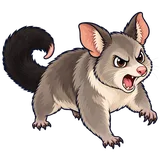
Possums
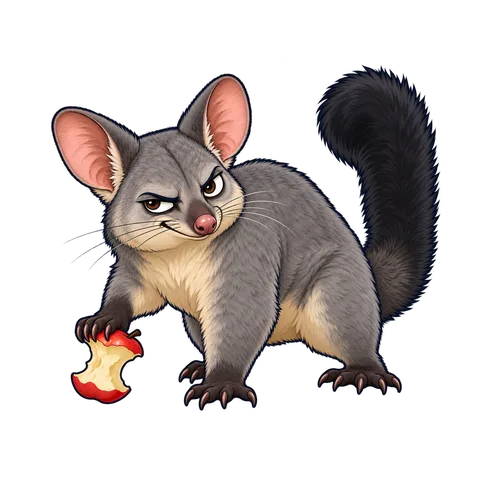
What keeps these creatures bundled together in our everyday language is their stubborn habit of treating human roofs, attics, and garden sheds as preferred real estate, even though the animal you call a possum in an American backyard looks entirely different from the one causing a ruckus on a New Zealand veranda. North American readers usually picture the pointy-nosed, slow-moving Virginia opossum, while Australasian readers are dealing with the bushy-tailed tree dweller known locally as the common brushtail, meaning this group splits cleanly along regional lines while sharing a common talent for finding structural weak spots.
Telling these marsupials apart from the neighborhood wildlife comes down to counting toes in the mud or tracking down the source of heavy scratching overhead. If you spot a footprint in the garden soil showing five distinct toes on both the front and hind feet, accompanied by a wide, thumb-like inner toe on the back foot, you are looking at a possum rather than a rodent, which always leaves four toes on its front paws. Raccoons, skunks, and cats might also leave tracks near your garbage cans, but none of them match that wide-spreading, hand-like rear print that gives these climbers their grip.