
What should you do if possums are heard in a New South Wales roof?
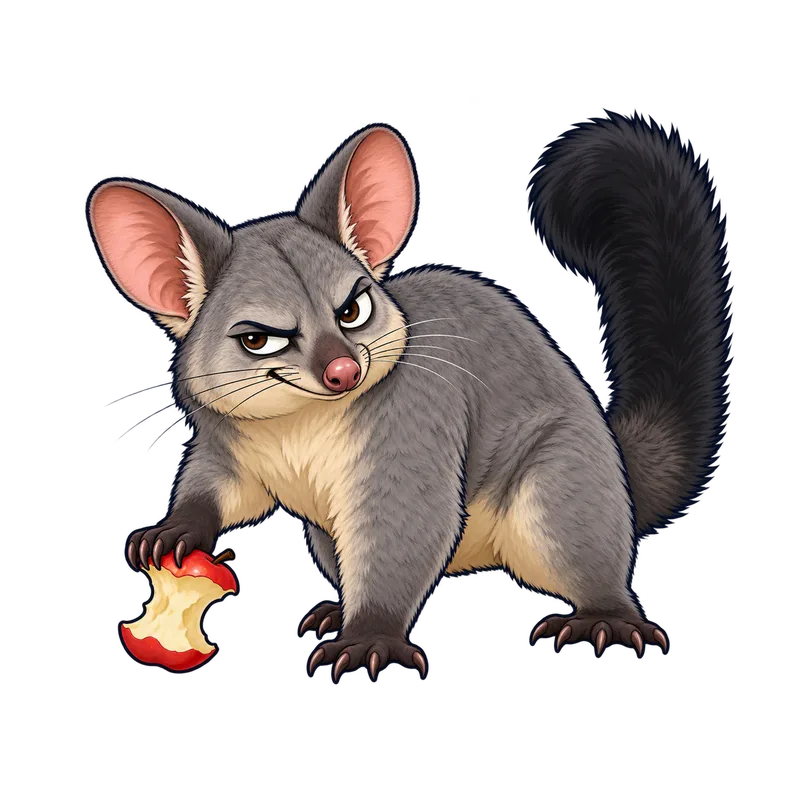
If you hear a native possum in a New South Wales roof, you should wait until the animal leaves to forage at dusk and then block its return. Do not seal the entry point while the possum is inside or during breeding season, because trapping a mother or dependent young causes severe distress and decay odors.
What is actually going on
You are sitting in the living room on a quiet Tuesday evening, reading a book or watching television, when you hear it. A heavy thud, followed by the distinct sound of scurrying claws right above your head. It sounds like someone is dragging a bowling ball across the drywall. If you live in New South Wales, that uninvited tenant renting your warm top-floor apartment is almost certainly a native possum. Before you panic and start calling every pest controller in the phone book, you need to understand why they are up there. Possums are simply looking for a dry, safe place to sleep during the day and raise their young, and your roof cavity happens to offer five-star accommodations complete with zero rent.
Animals do not break into a house just to spite you. They move into a roof space seeking thermal regulation, shelter from predators, and a secure nesting site. Once they find a gap in your eaves, a warped tile, or a damaged soffit, they treat it like an open invitation. Treating this problem is a bit like dealing with an unwanted houseguest. You cannot just lock the front door while they are fast asleep inside, because doing so creates a much larger mess. If you seal the entry point blindly, you risk trapping the animal inside, which leads to starvation, severe decay odors, secondary pest infestations, and frantic scratching that wrecks your ceiling.
Management requires patience and a structured method rather than a knee-jerk reaction. Think of it as a waiting game. You have to figure out if the animal is currently inside, make sure there are no helpless babies tucked away in a dark corner, and then encourage the adult to leave on its own terms before you permanently block the way back in.
How to tell for sure
Figuring out what is scuttling around above your ceiling usually starts with physical evidence rather than catching a glimpse of the creature itself. You want to inspect the exterior of your house during daylight. Walk around the perimeter and look up at the roofline. Are there loose tiles, gaps in the wooden soffits, or broken screens on your roof vents? You will often notice dark rub marks or greasy stains near entry holes where fur has continuously brushed against the building materials.
If you suspect a specific gap is being used, you can test it without causing any harm. Take a piece of crumpled newspaper or some painter's tape and lightly wedge it across the suspected entry gap. Do not seal the hole permanently at this stage. Instead, leave the paper in place and monitor it daily for at least three consecutive days of clear weather. If the paper remains completely undisturbed, the void is usually vacant. If the paper is pushed out or torn away, you know the animal is actively using that route to come and go.
Keep in mind that wildlife behavior changes depending on the season. Female possums establish maternity dens during breeding periods. If you hear squeaking or high-pitched chattering alongside the heavier thuds, you may be dealing with a mother and dependent young. Skipping this step and sealing the roof during maternity season is a mistake you will quickly regret once decomposition odors start seeping through your ceiling vents.
What usually comes next
Once you confirm the roof space is active and you have ruled out the presence of dependent young, your next practical decision is choosing between exclusion and relocation. Conventional wisdom often suggests trapping animals and driving them out to a distant forest, but that approach usually backfires. Relocating a wild animal causes extreme stress, high mortality rates, and potential disease spread. More importantly, if you leave the roof entry hole unsealed, a new animal will simply move into the vacant space within a few days.
The most effective long-term strategy relies on structural exclusion. You want the animal to leave voluntarily to forage at dusk, and then prevent it from getting back inside. If your movement indicators show the space is empty, or if you wait until dusk when the adult has climbed out to find food, you can install a temporary one-way exit device or flap over the main entry point. This lets the possum climb out, but blocks it from returning.
After you are certain the roof is completely empty, you can perform permanent structural repairs. Seal all entry voids using durable materials that possums cannot chew through, such as heavy-gauge galvanized wire mesh, sheet metal, or repaired timber. You should also look at what attracted the animal in the first place. Overhanging tree branches act like a sturdy ladder propped up against an open second-story window, giving wildlife a direct bridge to your roof. Trimming those branches back and securing your household waste or outdoor pet food bowls will keep new tenants from moving in next season.
When to get help
There are moments when a DIY approach stops being practical and safety takes over. If you suspect dependent young are inside the roof cavity, you must halt all exclusion work immediately and contact a professional. Attempting to manage maternity nests on your own violates wildlife protection laws and creates severe animal welfare issues.
You also need to call a licensed wildlife control operator or building specialist if structural access is physically dangerous. Working on steep rooflines, balancing on high ladders, or squeezing into cramped attics carries serious personal injury risks. If a possum corners you or acts aggressively, do not attempt to handle or capture it yourself.
Finally, if you need to inspect or clean an attic space contaminated with animal droppings, protective gear is non-negotiable. Inhaling dried fecal dust or fungal spores in a confined roof void can cause respiratory illness. Wear an N95-rated particulate respirator, disposable gloves, and protective clothing. Lightly mist dry droppings with water from a spray bottle before touching them to suppress hazardous dust, and never use a leaf blower or dry broom in an enclosed space containing animal waste. When state conservation laws or local regulations require licensed handling for protected native wildlife, always defer to authorized professionals.