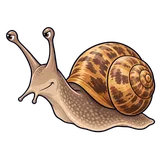
Snails
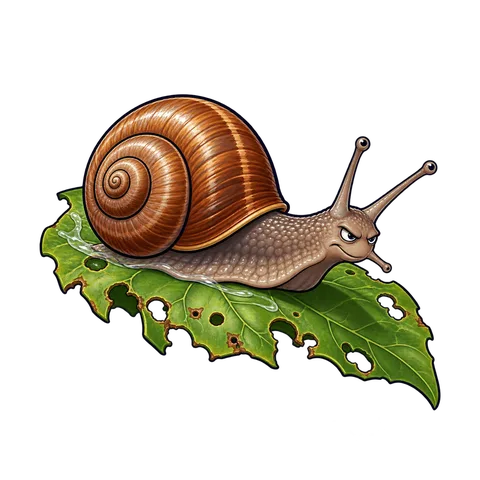
What binds these creatures together is not just a scientific filing system, but a very distinct architecture. You spot them by the hard, spiral-coiled shell perched on a soft, unsegmented body that glides along on a single muscular foot, leaving a shimmering, silvery trail of slime across your hostas or garden stones. They spend their days hidden away from the sun under damp logs, rocks, or inverted flower pots, only coming out to feed on tender leaves and ripening fruit when the air turns cool and humid.
You can easily tell snails apart from the usual suspects in the yard because slugs lack that hard external shell entirely, while caterpillars and grubs have distinct legs and body segments instead of a smooth, shell-backed crawl. When you find irregular, ragged holes chewed into your strawberries or garden greens, look for the shell and the glistening track before assuming insects did the damage, and remember that managing them relies just as much on clearing out daytime hiding spots as it does on picking the right bait.