
How long do garden snails live?
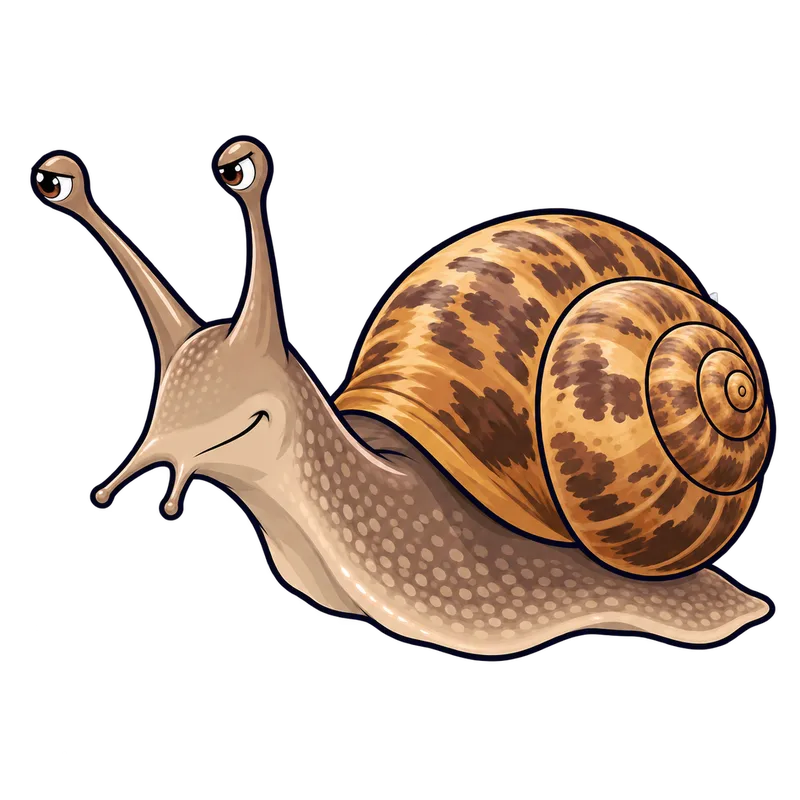
A brown garden snail takes about two full years just to reach sexual maturity, though science leaves the final lifespan a bit open-ended beyond that growth period. The exact timeline depends on regional weather, because snails in mild coastal areas keep feeding year-round while others spend harsh seasons estivating or hibernating.
What is actually going on
Picture yourself walking out to the garden on a mild spring morning with a cup of coffee, only to spot a medium-sized, swirly-shelled visitor cruising leisurely across the patio. You might wonder just how long that creature has been around and how much longer it plans to stick out its lease in your flower beds.
The honest answer is that while the available science gives us a very clear timeline for how long a brown garden snail takes to grow up, it leaves the final expiration date a bit open-ended. It takes about two full years just for a brown garden snail to reach sexual maturity. That puts them in a completely different category from fast-moving pests like aphids or caterpillars that cycle through generations in a matter of weeks. A garden snail spends two solid years dodging lawnmowers, hungry birds, and dry spells simply to reach the age where it can start reproducing.
Once they hit adulthood, they make up for lost time with impressive persistence. A mature snail can produce up to eighty eggs per month, laying them in small clutches of ten to twenty in shallow depressions beneath the soil or in potted plants. They do all this while navigating dramatic weather shifts through sheer stubbornness. When summer heat turns brutal, they practice estivation, which is basically a fancy form of summer sleep. They climb up a fence post or a tree trunk, pull themselves deep inside their shell, and seal the opening with a dry, parchment-like mucus door to keep from drying out. When winter brings freezing temperatures, they drop down and hibernate in the topsoil. In mild coastal areas with plenty of moisture, they skip the seasonal naps entirely and just keep feeding year-round.
How to tell for sure
Spotting a garden snail usually comes down to recognizing the classic brown, spiraled shell of the European brown garden snail, which grows to about an inch or slightly more across. You will usually find them hiding under damp leaf litter, mulch, or low-growing groundcovers during the day, since they prefer to do their traveling at night or when the air is thick with fog or rain.
You might also stumble upon their reproductive efforts without realizing it. Gardeners often unearth small, spherical, white-to-brown eggs about one-eighth of an inch wide in the potting soil and mistake them for slow-release fertilizer pellets. If you find a cluster of those little beads in the dirt, you are usually looking at a fresh clutch of snail eggs rather than plant food.
Figuring out one type of snail from another usually comes down to where you live and tiny details like shell patterns or the color around the opening, though a quick glance is normally plenty to tell you that you are dealing with a snail instead of an insect. If you happen to need a definite answer on a rare or legally restricted species, university extension experts generally have to examine internal anatomy instead of just guessing from a blurry snapshot.
What usually comes next
Deciding how to handle your visiting molluscs usually means choosing between physical blockades and changing up their environment. Because snails depend heavily on dampness and shady daytime hideouts, clearing away old timber, loose stones, and thick ivy right up against the house foundation or flower beds easily robs them of their preferred daytime resting spots.
If you are sick of them chewing up your hostas, you can also put up physical boundaries. Placing a band of copper tape around elevated garden beds or pot edges often works wonders. When a snail attempts to glide over the metal, it triggers a mild electrochemical reaction that feels like a gentle shock, prompting the creature to turn tail without requiring any toxic sprays. Changing your watering routine from overhead sprinklers to soaker hoses also helps by keeping the dirt and plant leaves dry, which makes the spot far less appealing for wandering snails.
When to get help
There are a few scenarios where you ought to pause and call in an expert, a doctor, or your local agricultural office. The most urgent worry is about health. Land snails can harbor parasitic worms, notably rat lungworm, which can trigger serious human sickness if someone handles them without care or eats raw or unwashed vegetables carrying infected slime trails.
Always scrub your hands well with soap after gardening, slip on gloves if you are clearing out heavy numbers of pests, and ensure all home-grown produce is washed carefully prior to eating. Never consume garden snails raw or insufficiently cooked. If you think you or a family member swallowed an infected snail or notice strange neurological or stomach symptoms following yard work, reach out to a doctor or poison control right away. For commercial growers facing regulated quarantine pests in plant nurseries or fruit orchards, local extension advisors or farming authorities need to be called in to manage official identification and control steps.