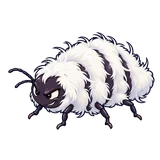
Adelgids
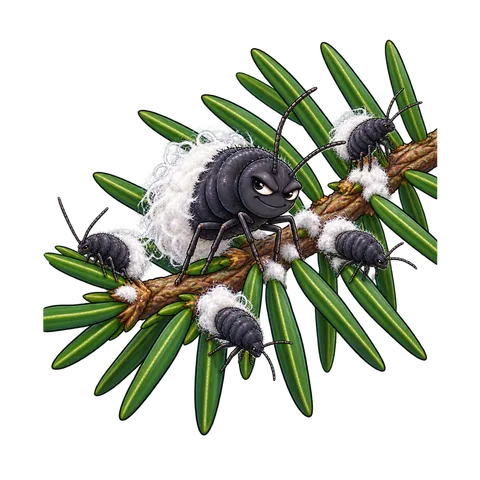
If you walk out into the yard and notice what looks like miniature patches of cotton or tiny snowballs clinging tightly to the undersides of your evergreen twigs, you are likely looking at adelgids. These tiny sap-sucking insects are tied entirely to coniferous trees like spruce, pine, and hemlock, and what unites them as a group is the distinct white, woolly wax they secrete over their bodies and egg masses to stay protected while they feed.
You can tell adelgids apart from common lookalikes by looking closely at both the host tree and the white residue itself. Unlike scale insects that leave behind hardened, leathery shields, or spittlebugs that wrap themselves in frothy wet foam on garden weeds, adelgids live exclusively on woody conifers, and their waxy tufts remain dry and fibrous. Standing in your basement or peering out at the garden, you might mistake them for woolly aphids, but those prefer deciduous fruit trees and broadleaf plants rather than evergreens. Checking the needles and bark carefully ensures you identify the correct pest before deciding on any management steps.