
How should hemlock branches be inspected for woolly adelgid?
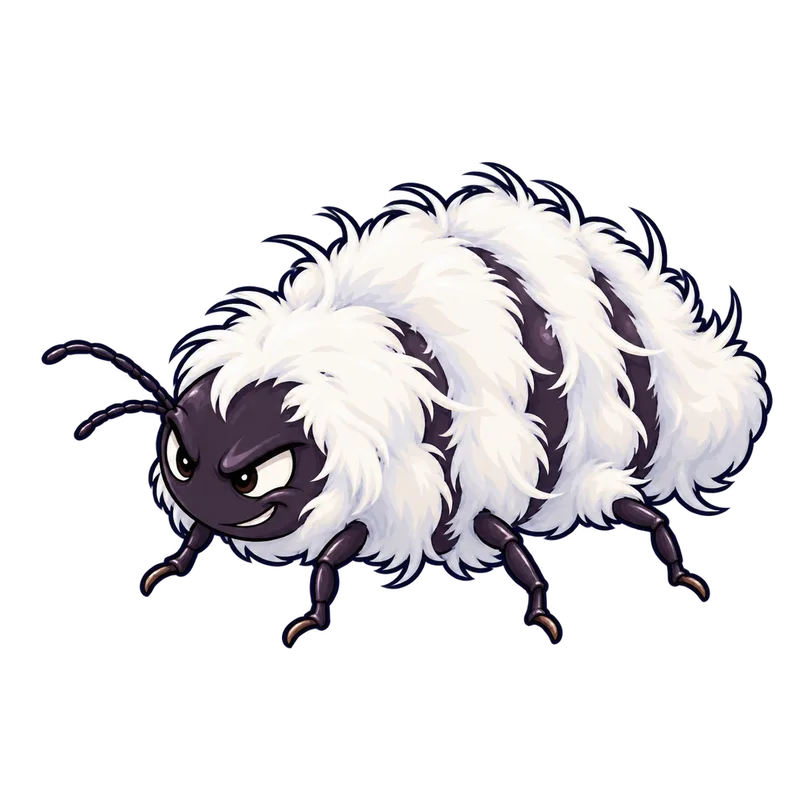
To inspect hemlock branches for hemlock woolly adelgids, you must turn them completely over to look on the underside of the twigs where the needles join the woody stem. You are searching for small, white, cotton-like masses that resemble tiny dabs of white lint. When lower branches are out of reach, you can check fallen branch tips on the ground or use binoculars.
What is actually going on
Imagine walking through a cool, shaded patch of woods on a humid afternoon. The air under the dense canopy of the Eastern hemlocks feels a few degrees cooler than the fields outside, and the ground stays damp and spongy. These trees act as the forest's natural air conditioner, shading mountain streams and sheltering a quiet world of mosses and wildlife that rely on that stable moisture. Now imagine that quiet refuge slowly turning grey and brittle, dying branch by branch over the course of a few years because of an invader no bigger than a sesame seed.
Hemlock woolly adelgids are small, sap-feeding insects from Japan that arrived in North America without the natural predators that keep them in check back home. Because our native hemlocks never evolved alongside this pest, they have zero built-in resistance to it. When these insects settle on a tree, they insert their mouthparts into the base of the needles and feed on the stored nutrients. Left alone, an infestation can kill a mature, majestic hemlock in a few short years, and a bad drought will speed that timeline right up.
Finding them early is the only real way to save the tree, but that requires knowing where to look. People often walk up to a drooping branch, lift it, and scan the flat, green needles on top. That is like reading only the front cover of a book and wondering why the story does not make sense. The real action is hidden underneath, tucked out of sight where the needle meets the twig.
How to tell for sure
To inspect a hemlock branch properly, you need to turn it completely over. The telltale sign of this pest is a collection of small, white, cotton-like masses clustered strictly on the underside of the twigs at the exact point where the needle joins the woody stem. They look remarkably like tiny dabs of white lint or bits of a cotton swab stuck to the plant.
You can usually spot the mature egg sacs with your naked eye during late winter and spring when the females swell and produce that distinctive white wax. But if you are checking trees outside that window, or trying to confirm whether those white spots are actually pests and not just harmless debris or fungal fluff, you will usually want a hand lens. Up close, you can see the tiny dark bodies of the nymphs tucked against the bark.
Looking at a tall tree can strain your neck, and mature hemlocks usually drop their lower branches as they grow. When the lower canopy is out of reach, you do not have to guess. Check the ground first. Fallen branch tips lying on the forest floor beneath the tree often reveal early canopy infestations that are otherwise invisible from the ground. For standing trees, a good pair of binoculars can help you scan the mid-canopy for that characteristic greyish discoloration and needle loss. If you suspect you have found something regulated, take clear photos of the branch alongside an overall shot of the tree, and note the exact location.
What usually comes next
Once you spot those white woolly sacs, your next move depends on whether you are trying to save a treasured shade tree in your yard or simply tracking what is happening in a nearby woodlot. People often try to help a struggling tree by giving it a dose of high-nitrogen fertilizer, but that approach usually backfires. Dumping extra nutrients into an infested tree is like pouring gasoline on a fire because it pumps the sap full of the exact food the adelgids crave, causing the pest population to explode and killing the tree even faster.
Instead, your practical choices usually involve simple sanitation and targeted treatments. If you are hiking through infested woods, brush off your boots and clean your tires before driving away, and never haul firewood across regional lines. Moving unburned logs is one of the fastest ways these insects hitchhike into new valleys. When homeowners want to treat an infested tree, they often turn to horticultural oils that smother the insects during specific windows, or systemic treatments that move through the tree's vascular system. Because regulations vary and some treatments require careful timing to protect pollinators, property owners usually consult a local extension agent or a licensed tree care professional to map out the safest approach.
When to get help
There are moments when a casual check reaches its limit and you need to hand the problem over to someone with professional equipment or statutory authority. If you are dealing with tall, mature trees where the lower branches are entirely out of reach, safely checking the canopy requires trained hands and specialized gear.
You should also bring in a licensed applicator when chemical intervention is necessary, particularly for systemic soil drenches or large-scale canopy sprays. These applications have strict rules regarding dosage, timing, and local environmental protections, especially concerning the safety of pollinators. If you live in a region where this insect is treated as a regulated quarantine pest, you may also have a legal obligation to report new detections to agricultural agencies or forestry departments. When an infestation covers whole stands of trees with widespread canopy dieback, calling a certified arborist or a regional forest health specialist ensures the problem gets handled correctly before the damage becomes irreversible.