
How is hemlock woolly adelgid treated?
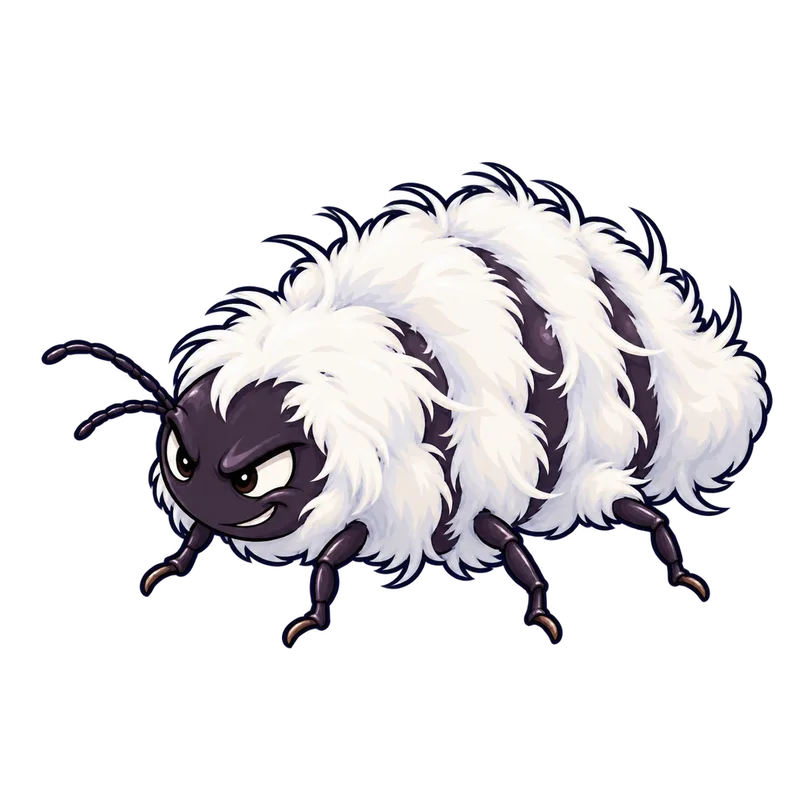
Hemlock woolly adelgid is treated using a coordinated strategy combining physical smothering agents, systemic insecticides, biological predators, and strict sanitation rules. Treatment choices depend on the size of the tree and how far the damage has spread. Contact oils work best on small landscape trees, while systemic insecticides are typically applied to tall canopy trees.
What is actually going on
Imagine walking through a quiet, shaded woodland trail on a crisp autumn morning, admiring the towering evergreens overhead, only to notice that one of your favorite backyard hemlocks looks a bit dusty or pale. When you walk closer and turn over a branch, you find tiny white tufts clinging to the twigs, looking remarkably like scraps of cotton swab fluff glued right where the needles meet the stem. That is your introduction to the hemlock woolly adelgid, an invasive, aphid-like insect that treats our native hemlocks like an open buffet.
Managing this pest requires a coordinated strategy rather than a single simple fix, combining physical smothering agents, systemic insecticides, biological predators, and strict sanitation rules to keep the trees alive. Because Eastern hemlocks possess no natural resistance to these sap-suckers, thousands of tiny insects draining a tree's nutrient reserves day and night will eventually cause severe canopy dieback and tree death within 4 to 10 years if nothing is done.
You might wonder why a simple bug requires such a complicated defense plan. The answer lies in how these insects live and feed. They insert thread-like mouthparts into the tree to drink sap and inject a saliva that ruins stored nutrients while covering themselves in a dense, protective waxy wool that repels casual sprays. Because of this armor, treatment choices depend heavily on whether you are dealing with a small ornamental tree in the front yard or a towering giant in the woods.
Before reaching for any treatment, you want to be certain you are actually looking at the adelgid and not something else entirely. The diagnostic signature is usually that unmistakable white, cottony or woolly wax mass clinging to the undersides of young hemlock twigs at the base of the needles. If you use a magnifying glass or binoculars for higher branches, you will usually see these fuzzy tufts sitting snugly on the bark.
People often confuse these pests with other forest issues, which is why correct identification comes before control. For instance, Fiorinia hemlock scale creates elongated, yellowish-brown waxy covers on the needles rather than white cotton tufts on the twigs. Meanwhile, a fungal needle blight causes needles to turn a distinctive pink before fading to brown, but it never produces any cottony wax.
You should also watch out for the mobile crawler stage, which usually emerges in spring and early summer. These lightweight nymphs are easily carried away by wind, visiting birds, or the family dog brushing past a low branch. If you notice a tree dropping needles prematurely or showing gray-green foliage that turns brittle and brown, check the branch undersides carefully before jumping to conclusions about drought or normal seasonal shedding.
How to tell for sure
Once you have identified the infestation, you usually have to make a practical choice between contact sprays and systemic treatments, depending on the size of the tree and how far the damage has spread. Contact treatments rely on horticultural oils or insecticidal soaps, which act like a physical blanket that coats the insect and suffocates it by sealing off its breathing pores.
Timing is everything with contact oils. Extension guidelines usually recommend a lighter oil solution during the growing season and a heavier dormant oil solution during the cooler months. You have to spray these oils with enough force to break through that water-repellent woolly wax, which means they work best on small to medium landscape trees you can easily reach with a garden sprayer.
For tall canopy trees where spraying every single branch is nearly impossible, systemic insecticides are typically applied as a soil drench around the roots. The tree absorbs the chemical, moves it upward through its vascular system, and poisons the adelgids as they feed on the sap.
No matter which path you choose, one rule is absolute: never apply nitrogen fertilizer to an infested hemlock. While it feels counterintuitive when a tree is struggling, extra nitrogen causes a flush of succulent new growth that acts like a fertility clinic for the adelgids, accelerating their reproduction and pushing the tree into a faster decline.
What usually comes next
There are moments when a do-it-yourself approach is no longer practical or safe, and calling in a professional arborist or contacting a local forestry agency becomes necessary. If your hemlocks are exceptionally tall, climbing a ladder with a heavy sprayer puts you at risk of a fall while still missing the upper canopy where the pests thrive.
Professional help is also essential if you are unsure about the diagnosis or if you need to apply restricted systemic insecticides that require specialized soil or trunk injection equipment. Furthermore, if your property sits near open streams, ponds, or heavy pollinator foraging zones, treating trees with certain systemic chemicals requires strict adherence to environmental labels and local regulations to protect non-target wildlife and aquatic life.
Finally, if you live in a region under government quarantine, you may be legally required to report sightings or follow strict biosecurity rules. Moving unmanufactured wood, nursery stock, or firewood from infested areas gives these pests a free express pass to healthy forests, so respecting local quarantine boundaries and buying firewood locally remains a critical part of protecting the landscape.
When to get help
When hemlocks show extensive canopy collapse with more than 50% needle loss, or when structural decay creates a hazard near buildings or power lines, a licensed professional must assess the risk. If local regulations or environmental conditions complicate the choice between soil drenches and trunk injections, consult a certified arborist or the state forestry agency.