
What are hemlock woolly adelgid white woolly masses?
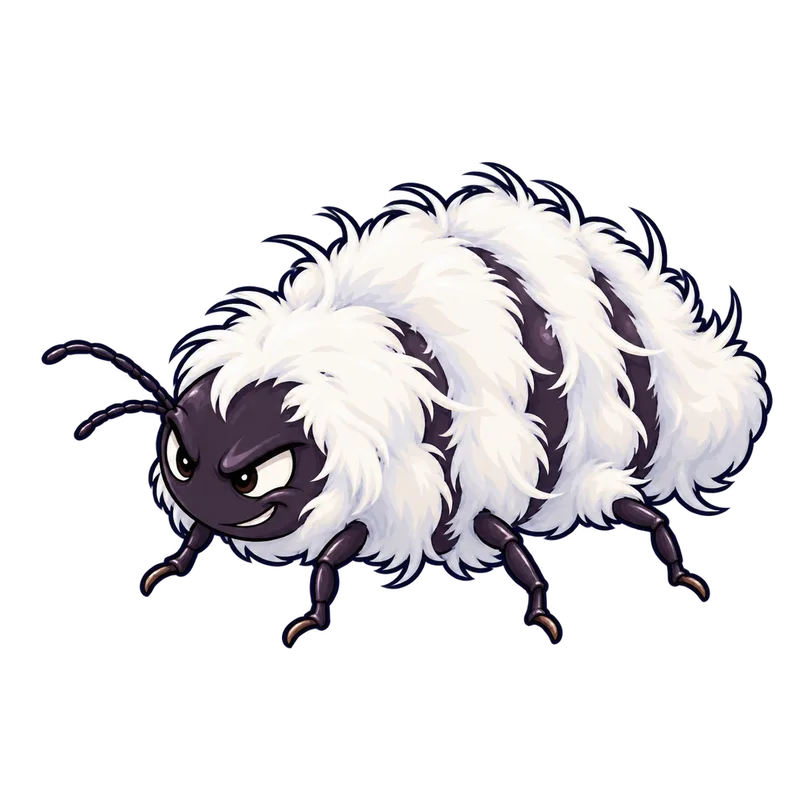
Hemlock woolly adelgid white woolly masses are protective waxy egg sacs and secretions produced by mature female sap-sucking insects. These cottony tufts measure one to three millimeters across and protect the insects from harsh winter weather and predators. They are most prominent on the undersides of hemlock twigs from late fall through late spring.
What is actually going on
Imagine stepping out into your yard on a crisp autumn morning, holding a cup of coffee, and pausing to inspect the grand old eastern hemlock tree by the property line. From a distance, the boughs look as green and inviting as ever. But when you reach out and flip a branch over to check the underside, you notice something strange. Sticking to the tiny joints where the needles meet the twig are dozens of miniature white blobs. They look like someone dabbed tiny bits of cotton wool, or the fluffy heads of cotton swabs, all along the green shoots.
Those white, woolly masses are protective waxy egg sacs and secretions produced by mature female hemlock woolly adelgids, which are invasive sap-sucking insects native to East Asia. It is easy to mistake them for a bit of leftover plant debris or a harmless web spun by a tiny spider, but they are actually specialized shelters. The insect secretes these dense, cottony wax filaments to protect itself and its developing eggs from harsh winter weather, drying out in the sun, and hungry predators.
Once these pests settle onto a hemlock tree, they insert their long, thread-like mouthparts into the vascular tissue of the twig and feed on the tree sap. That constant draining of vital nutrients takes a heavy toll. As the infestation progresses over the course of several years, the needles dry out, turn a dull grayish-green, and drop off prematurely. Without intervention, branch dieback spreads through the canopy until the tree starves and collapses entirely.
How to tell for sure
Spotting these pests usually starts with a simple physical check. You need to look where the action is happening, which means ignoring the top of the branch and getting right underneath it. The masses generally measure between one and three millimeters across and look like tiny, sticky tufts of unspun wool. If you happen to have a 10x magnification hand lens in your pocket, pull it out and take a closer look at one of those tufts. Under the glass, you will usually see a dark, oval, brownish-black wingless adult or a cluster of tiny, amber-colored eggs tucked inside the waxy threads.
A common doubt people have is whether any white fluff on a tree means they are dealing with this specific invader. It is natural to assume that all white cottony spots on evergreens are the same thing, but that is rarely true. If you see white masses on a pine tree or a spruce, you are usually looking at pine bark adelgids or spruce gall adelgids, which generally do not cause the catastrophic decline associated with hemlock woolly adelgids. These insects feed almost exclusively on hemlock trees.
You also want to keep the calendar in mind. During the hot summer months, the first-instar nymphs enter a dormant resting state at the bases of the needles. During this period, the white woolly wax can look weathered, flattened, or nearly invisible, making the insects look like tiny dark specks surrounded by a faint halo. If you look at the right time of year, from late fall through late spring, the fluffy white sacs are at their most prominent and unmistakable.
What usually comes next
Once you confirm that your hemlock is hosting these pests, you have to make a practical decision about management, and your first move should be deciding what not to do. A very common instinct is to buy a bag of high-nitrogen plant fertilizer and pamper the stressed tree back to health. Do not do it. Trying to feed an infested hemlock with nitrogen is essentially rolling out a banquet for the enemy. The extra nutrients enrich the tree sap, accelerating pest reproduction and speeding up the decline of the tree.
Instead, look at physical and chemical options depending on the scale of the problem. For small, accessible landscape trees, you can use a high-pressure stream of cold water between April and June to physically wash unsettled crawlers and eggs off the twigs. If you want to use a contact spray, horticultural oils applied during the dormant season, such as late fall or late winter before buds break, can smother the pests by coating their breathing pores. Just remember that complete coverage is non-negotiable. You have to thoroughly wet every single twig underside and branch junction for the treatment to work.
If the tree is large, or if you are dealing with a severe infestation, you will need to consider systemic treatments or professional arboriculture services. Systemic insecticides applied as a soil drench in the spring allow the roots to take up the product and carry it through the vascular system, poisoning the sap that the adelgids feed on. Always read and follow the pesticide product label carefully, especially regarding pollinator safety and proximity to water bodies, because the label is the law.
When to get help
There comes a point when DIY methods are no longer practical or safe, and calling in professional help is the only sensible path forward. If your hemlocks are mature shade trees towering twenty or thirty feet into the air, trying to climb a ladder with a garden sprayer is an accident waiting to happen. High-reach commercial equipment or specialized soil injection tools are required to treat tall trees effectively.
You should also involve a licensed pesticide applicator or a certified arborist if your trees are located near a stream, pond, or wellhead. Systemic chemicals require careful handling near water, and a professional knows how to apply treatments without running afoul of environmental regulations or risking local water quality.
Finally, dead or dying hemlocks lose their structural integrity rapidly, turning into brittle hazards that can drop heavy branches onto structures or vehicles without warning. If your tree shows extensive crown thinning, major branch dieback, or structural instability, let a professional safely evaluate the hazard and handle the removal before a storm finishes the job for you.