
How do you stop woodpeckers pecking a house?
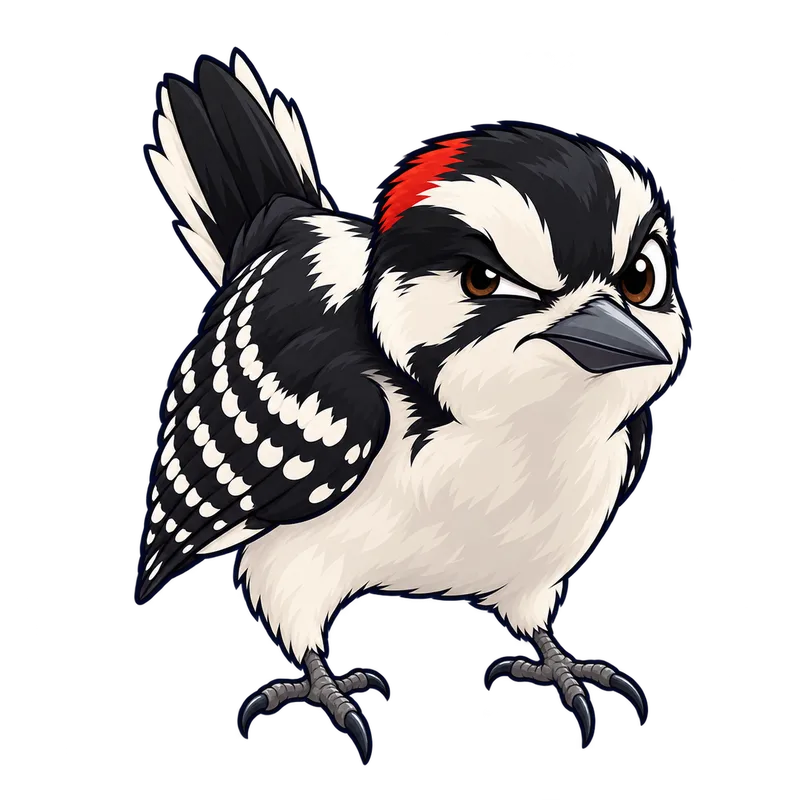
You stop woodpeckers from pecking a house by using physical exclusion rather than relying on fake owls or static deterrents. Hang heavy-duty plastic mesh netting two to three inches away from the wall using wooden stand-offs, or screw rust-proof aluminum flashing and metal sheeting over vulnerable trim and corners.
What is actually going on
Imagine waking up to what sounds like a carpenter with a pneumatic drill attacking your bedroom wall, only to look outside and spot a bird the size of a robin hammering away at your cedar siding. It feels personal, as if the local wildlife has collectively decided to remodel your home on their own terms.
What is usually happening out there is that the bird treats your house like a giant acoustic drum kit. In the spring, woodpeckers drum on resonant surfaces like metal gutters, downspouts, or wooden corner boards to broadcast their territory and attract a mate. They are not eating the house or looking for bugs in that moment, but rather just making as much noise as possible.
At other times of the year, they might be foraging for insects hiding behind the wood or actually excavating a deep, round cavity to nest or roost for the winter. Because modern wood siding, synthetic stucco, and hollow framing mimic the dead trees they love to use in the wild, your house becomes an irresistible target.
The catch is that you cannot just grab a pellet gun or knock down the nest. Woodpeckers and virtually all other native wild birds are legally protected under federal and state wildlife laws. Shooting, trapping, poisoning, or harming them, or even destroying an active nest with eggs or chicks inside, is entirely illegal without official government permits. That leaves you with a puzzle: how do you stop a protected animal from tearing up your biggest investment without breaking the law?
How to tell for sure
Before you try to fix anything, you usually want to confirm who the culprit is. Woodpecker damage has a very specific signature that separates it from what rodents or insects do to a house.
When a woodpecker goes to work, it usually leaves clean, sharp-edged, conical or round holes that follow the vertical lines of structural studs or trim. You will not find the paired, parallel chisel-like tooth marks that squirrels or rats leave behind, and you will not see the fine sawdust or mud galleries associated with carpenter ants or beetles.
You can also look closer at the physical evidence around the site. Woodpeckers possess zygodactyl feet, meaning they have two toes pointing forward and two pointing backward, which lets them cling vertically to a wall. If you happen to see their tracks in soft mud or dust near the foundation, that foot arrangement is a dead giveaway. Their droppings usually show up as tubular or irregular deposits capped with a distinct white uric acid paste, which looks quite different from mammalian scat.
You usually have to figure out the bird's underlying motivation by looking at the season and the type of damage. Shallow, scattered pecks on metal or hard wood usually mean territorial drumming, while clean holes in soft cedar or siding usually point toward nesting or roosting excavations.
What usually comes next
You are usually standing there weighing cheap, quick gadgets against permanent physical exclusion. The strong temptation is to grab a plastic owl or a roll of shiny tape, slap it on the siding, and call it solved.
That strategy usually fails. Animals catch on fast once they realize a threat is fake. If you mount a stationary plastic owl on the gable, the woodpeckers might steer clear for three days, but they quickly figure out the owl never moves, never blinks, and poses zero risk. Soon enough, they will use the plastic head as a lookout perch.
The only reliable, long-term fix is physical exclusion. You want to armor the building so the bird simply cannot reach the wood.
For vulnerable walls and siding, you can hang heavy-duty, weather-resistant plastic mesh netting from the eaves down past the damage area. The trick is to anchor that netting so it hangs two to three inches away from the wall using wooden battens or stand-offs. When the bird flies in, the loose net blocks its footing and prevents it from reaching the siding, while giving way enough that it stays safe.
For specific corners, fascia boards, or trim, you can screw down rust-proof aluminum flashing, metal sheeting, or wire hardware cloth, and paint it to match the house color. If you have small holes or cracks larger than a quarter inch, seal them up with a durable exterior caulk or wood filler.
If you do use visual or auditory deterrents like reflective mylar streamers or noise makers, you cannot just leave them in one spot. They only work if you enforce total randomness and diversity. You have to shift the streamers, change the sound intervals, and rotate your tactics every few days to keep the birds from figuring out the trick.
When to get help
There are moments when a DIY approach stops being practical and starts becoming a safety hazard or a legal issue.
If a woodpecker has already finished excavating a hole and established an active nest containing eggs or flightless young, you must stop all work immediately. You cannot legally block the hole, net the area, or disturb the nest until the young birds have naturally fledged and left the premises for good.
You also need to know your own limits regarding heights. Trying to staple netting to the eaves of a second-story gable while balancing on an extension ladder is a classic recipe for a disastrous fall. If the damage is high up on a multi-story house, you should call a licensed, insured contractor or a professional wildlife control operator who has the proper scaffolding, rigging, and safety gear.
In rare cases where non-lethal physical exclusion is genuinely impossible and the structural damage keeps escalating, you cannot take matters into your own hands. You need to contact your state wildlife agency or local university extension office to discuss whether your situation qualifies for a formal depredation permit, or to have a professional handle the next steps according to the letter of the law.