
What should you do after finding rodent droppings in an attic?
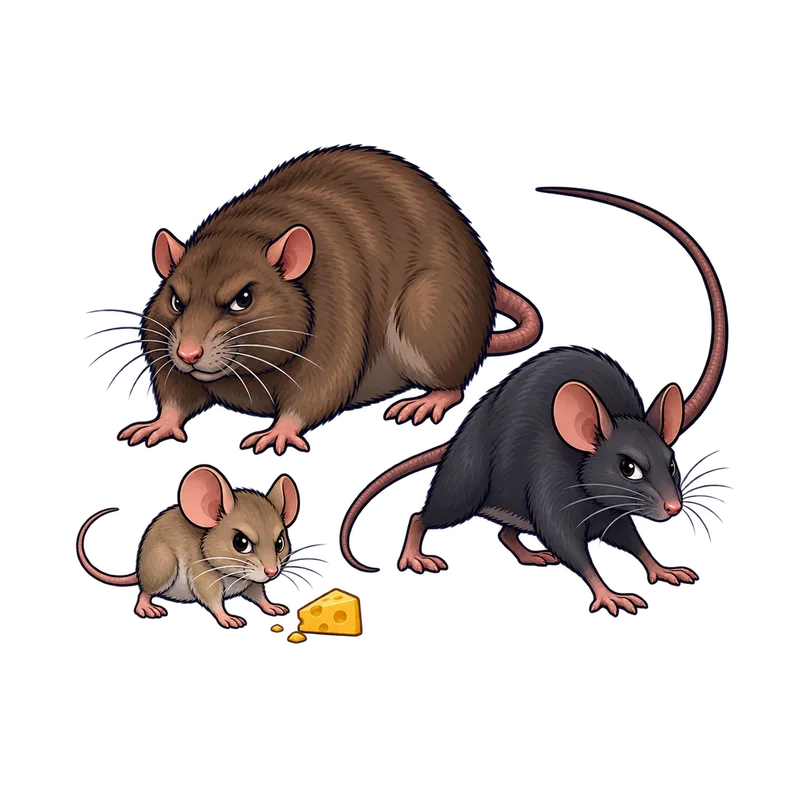
After finding rodent droppings in an attic, put on a properly fitted N95 respirator mask and disposable gloves instead of sweeping or vacuuming them. Next, spray the area with a disinfectant or a mixture of one part bleach to nine parts water until soaked, let it sit for five minutes, and wipe up the mess using paper towels.
What is actually going on
You are up in the attic fetching the old holiday decorations, and your foot knocks against a beam. Right there next to the insulation, you spot a scattering of small, dark pellets. It is the kind of quiet discovery that instantly ruins your afternoon. You are not just dealing with an untidy guest. You are looking at structural intrusion, and how you handle those droppings in the first few minutes matters more than you might think.
The temptation is to grab the nearest broom and dustpan, or perhaps haul the heavy-duty shop vacuum up the stairs to suck everything away in one clean sweep. Do not do that. It sounds harmless, but sweeping or vacuuming dry feces acts like a bellows. It launches microscopic pathogens, dried dust, and virus particles straight into the air where you can breathe them right into your lungs. That is how people run into serious respiratory trouble, whether from mouse-borne viruses or fungal spores hiding in guano.
Instead of cleaning, your first move is stopping. Put on a properly fitted N95 respirator mask and disposable gloves before you touch anything else. You are dealing with a biological hazard, not just routine household dust. The goal is to lock down those particles so they stay put while you clean them up safely.
How to tell for sure
Before you start planning your next move, you need to know who is visiting. Different pests leave entirely different clues behind, and you usually cannot treat a mouse problem the same way you handle a raccoon or a colony of bats.
Take a close look at the shape and location of the scat. If you are seeing small, pointed pellets about an eighth to a quarter of an inch long scattered randomly along the floor joists, you are usually looking at mice. If the droppings are larger, measuring up to three-quarters of an inch with blunt ends, you might have rats running insulation runways.
Squirrels leave pellets that look similar to rat droppings, but they tend to be chunkier and more oval, often sitting right beside chewed wood or nut shells. Bats are entirely different. Their droppings usually accumulate in dense piles right beneath the rafters where they roost. If you press a bat dropping with a stick, it usually crumbles immediately into a fine powder rather than staying hard like a rodent pellet, and if you shine a light on it, you will spot tiny, shiny fragments of insect wings glittering in the matrix.
Raccoons leave something far more alarming. Their scat usually arrives in thick, tubular piles known as latrines, often containing undigested fruit seeds or corn kernels. If you suspect raccoons, you are dealing with potential roundworm eggs, which changes your cleanup strategy entirely.
What usually comes next
Once you have figured out who left the mess and put on your safety gear, you need to clean up using a wet method. Forget the idea of dry wiping. Spray the droppings and the area around them with a disinfectant or a mixture of one part bleach to nine parts water until the whole mess is soaked.
Give it five minutes to sit. That wait is important because it softens everything down and stops dust from flying when you wipe. Pick up the soaked droppings with paper towels or rags you can throw away, drop them right into a heavy plastic trash bag, and put that bag inside a second one before walking it out to an outdoor bin.
Cleaning up the mess solves today's problem, but it does not stop tomorrow's guests. You have to seal the ways they got in. Walk around your roofline, check the underside of your eaves, inspect the attic vents, and look closely where pipes enter the house. Rodents can squeeze through tiny spaces, so any hole of a quarter of an inch or bigger needs to be blocked with heavy wire mesh or sheet metal.
Before you permanently seal every hole, test your work. Wedge a piece of crumpled newspaper or a strip of tape across the suspected exit points for a few days in a row. If the paper does not move, you can feel pretty sure the animals are gone, and you can finish sealing the structure without trapping anything alive inside the walls.
When to get help
There are times when a weekend cleanup crosses the line into something best left to the pros. If you find huge piles of raccoon scat, normal bleach will not work because standard disinfectants do not kill roundworm eggs. Those jobs need intense heat, like boiling water or careful torching on surfaces that will not burn, along with professional insulation removal.
Large bat accumulations also demand caution because they carry fungal spores linked to serious lung infections, often requiring specialized containment and proper respiratory gear. On top of that, wildlife laws can tie your hands. In many places, bat exclusions are illegal during the summer nursery season when baby bats cannot fly yet, meaning you have to wait for the legal window to open.
If you get a fever, dry cough, sore muscles, or trouble breathing in the weeks after cleaning your attic, stop guessing and see a doctor right away, and tell them you were around rodent droppings. The same rule goes if you get scratched or bitten by wildlife, which means you need a prompt medical check for rabies risks. When the infestation gets too big for a simple weekend fix, call a licensed wildlife control operator to handle the structural repairs and safe removal.