Brown soft scale
Coccus hesperidum
- Size
- Not established
- Color
- Yellowish-brown to dark brown or amber-brown
- Habitat
- Ornamentals, trees, shrubs, and indoor houseplants
- Diet
- Plant phloem sap
- Life cycle
- Continuous or overlapping generations
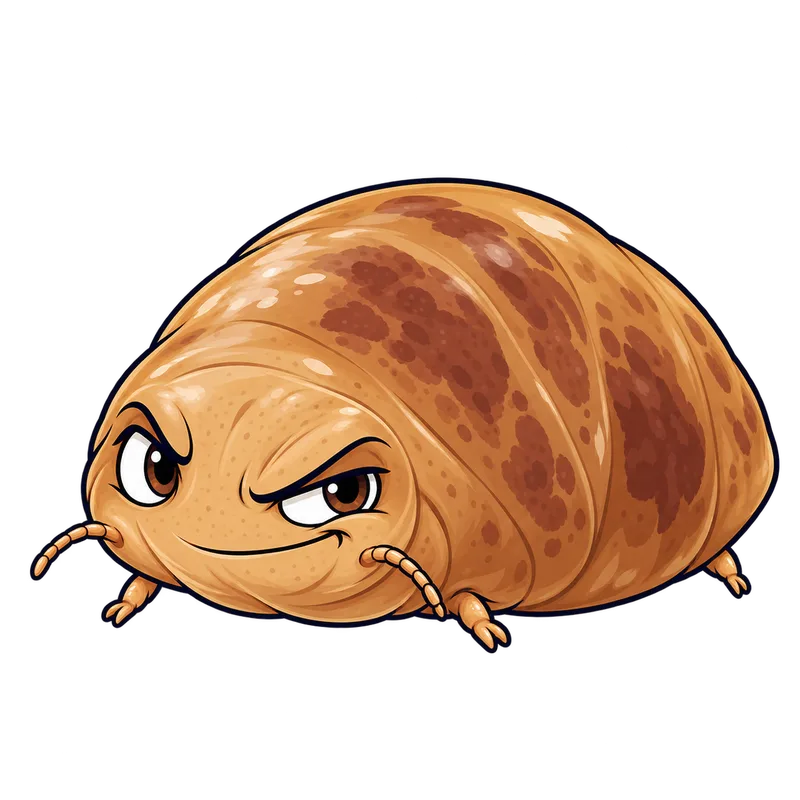
The brown soft scale presents itself as smooth, oval to dome-shaped brown bumps stuck flat against plant stems, leaf petioles, and the undersides of leaves. To the naked eye, they look less like living creatures and more like accidental blemishes on the bark. When you try to pry one off, you quickly realize why it belongs to the soft scale family rather than the armored scale group. Their protective covering is not a separate shield that pops off with a needle. It is an integral part of their own body cuticle, meaning you crush the insect when you touch it.
Identity
Spotting them often happens by accident. You might notice a clear, sticky sheen on the hardwood floor beneath a potted weeping fig or a dark, velvety smudge on a windowsill. That is honeydew, the sugary waste product these insects excrete after drinking plant sap, which quickly sprouts black sooty mold.
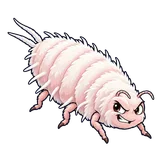
If you want to spot the mobile stage, known as a crawler, you need a hand lens with ten to thirty times magnification. These minute, pale, soft-bodied nymphs possess functional legs and wander across the foliage to find a new feeding spot. Armored scale insects look superficially similar, but they construct a hard, separate waxy cover that lifts right off, and they never produce sticky honeydew. Mealybugs also belong to this general family, but they stay soft and mobile for life and wear a coat of white, powdery wax instead of a smooth brown dome.
Habitat & behaviour
This creature is remarkably unfunny about its menu, feeding on a staggering variety of home ornamentals, shade trees, flowering shrubs, and indoor houseplants. You might find them settled heavily on a citrus tree outdoors or tucked into the leaf veins of a parlor palm sitting in a bright living room corner.
Outdoors in temperate regions, their activity tracks the warm months. They emerge in late spring and summer, sucking sap from vascular tissues and churning out honeydew. Yet they carry a strict climate limitation. They lack cold-hardiness and cannot survive freezing winter temperatures outdoors in colder plant hardiness zones. When winter arrives, outdoor populations in those regions simply die out, and new infestations rely on warmer microclimates or fresh arrivals on nursery stock.
Indoors, the rules change entirely. Because residential homes and greenhouses maintain stable temperatures year-round, these scales skip seasonal dormancy. Reproduction and feeding happen continuously, turning sunrooms and indoor conservatories into perpetual breeding grounds.
Look closely at an infested stem, and you will likely notice a frantic escort of ants patrolling the area. Ants have a distinct farming relationship with soft scales. They are fiercely attracted to the sugary honeydew and will aggressively defend the scale colonies from natural predators like lady beetles and parasitic wasps. If you want beneficial insects to help clean up the population, you have to deal with the ants first.
Visual variations
The life cycle rolls through distinct physical transformations that change how the creature interacts with the plant. It begins beneath the body of the mature adult female, where eggs are sheltered until they hatch into crawlers. These first stage nymphs are the only ones equipped to walk, and they have a frantic twenty four hour window to crawl up to five meters or catch a wind drift to locate a suitable feeding site.
Once a crawler finds a promising stem or leaf vein, it settles down permanently. It inserts its thread like mouthparts into the plant sap channels, secretes a waxy coating, and transforms into a stationary, immobile nymph. From that moment on, it loses its mobility entirely and spends its life anchored in place.
Adult females develop into the familiar oval, slightly convex brown domes. They remain wingless, legless, and permanently attached to the host plant while they feed and reproduce.
Adult males look entirely different, though you are unlikely to spot them. They are minute, fragile, winged insects that do not feed at all. Their only evolutionary purpose is to find a female, mate, and perish quickly. Because many populations can reproduce without males, you can have a thriving infestation entirely composed of motionless females pumping out the next generation of crawlers.
Why it matters
Heavy feeding drains massive amounts of plant sap, leading to a loss of vigor, yellowing leaves, twig dieback, and eventual leaf drop. Beyond the direct damage to the plant, the dripping honeydew and resulting black sooty mold block sunlight, wreck photosynthesis, and disfigure the appearance of indoor and outdoor plantings alike.
These creatures do not bite, sting, or transmit any pathogens to humans or pets. Their presence means your plants are under siege by a relentless sap sucking machine that requires mechanical wiping, insecticidal soaps, or targeted biorational sprays to keep in check before the sticky mess ruins your indoor surfaces or outdoor landscape aesthetics.