Longtailed mealybug
Pseudococcus longispinus
- Size
- 3 to 4 mm long
- Color
- Pinkish-gray covered in white wax
- Habitat
- Greenhouses and indoor houseplants
- Diet
- Plant sap from foliage and stems
- Life cycle
- Eggs hatch into mobile crawlers
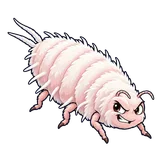
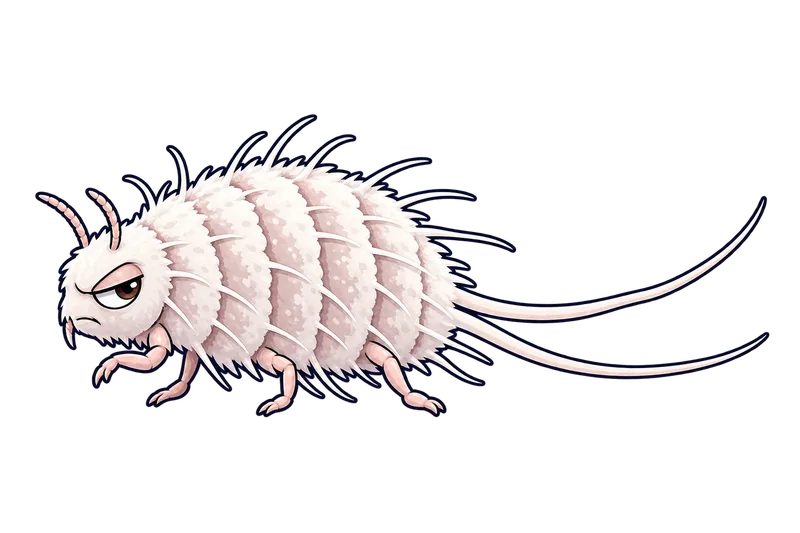
The longtailed mealybug is a soft-bodied sap-feeding insect that you will usually spot as a small patch of white cotton tucked into the leaf joints of your favorite houseplant or greenhouse fern. Adult females are wingless, slow-moving, and covered in a protective waxy powder, while males are tiny and winged. If you look at them from across the room, they just appear to be a bit of lint or dust on the stem. Trying to tell this specific bug apart from relatives like the citrus mealybug or obscure mealybug with the naked eye is a fool's errand. You actually need a hand lens or a microscope to examine the microscopic pores and tail filaments. When precise identification matters for managing a collection, an extension entomologist or a qualified specialist needs to inspect those tiny structural details.
Habitat & behaviour
These insects prefer warm, sheltered niches where they can pierce plant tissue and feed undisturbed. You will find them hiding deep inside bark crevices, stem nodes, leaf sheaths, and fruit calyxes. These tight spots act as a natural shelter against weather and manual removal. They feed continuously, taking in massive amounts of plant sap and excreting a sticky liquid called honeydew. This sweet waste coats the leaves and drips onto tables or floors below, quickly growing a dark, unsightly layer of sooty mold fungus. While indoor plants and greenhouses host them year-round in a steady climate, outdoor colonies ramp up their feeding and reproduction through the warmer months, then seek out protected nooks as the temperature drops.
Visual variations
Every single stage of this insect looks radically different from the last one. Newly hatched nymphs, often called crawlers, start out tiny, flat, pale, and completely missing the fluffy wax coating you see on the adults. Despite their microscopic scale, these crawlers are surprisingly mobile, walking across plant surfaces or even catching a draft to drift over short distances. As they feed and molt through their growing phases, they begin to secrete those characteristic long white tail filaments and the powdery body wax. Adult females stay wingless and soft-bodied right through their entire lives, while adult males look like completely different creatures altogether. The males actually have wings, refuse to feed on plants at all, and live for only a very brief window once they finally reach maturity.
Why it matters
Discovering these pests on your prized greenery usually means you are facing a frustrating battle rather than a sudden structural disaster. Their thick waxy coats repel plain water, meaning a casual spray will just roll right off their backs without bothering them in the slightest. Heavy feeding leads directly to yellowing leaves, stunted new growth, and premature leaf drop, while the sticky honeydew and black mold ruin the look of the plant. Mealybugs are plant specialists that do not bite, sting, or attack humans or pets, and they certainly do not carry human diseases. If anyone in your home suffers from unexplained skin irritation or allergic reactions around infested plants, the cause lies elsewhere, and you should consult a qualified healthcare provider rather than focusing solely on plant care.