Springtails
Class Collembola
- Size
- Little more than 1/8 inch long (approx. 3 mm)
- Color
- Grayish-white
- Habitat
- Soil, leaf litter, decaying organic matter, and damp indoor areas
- Diet
- Algae, fungi, bacteria, and decaying plant matter
- Life cycle
- Continuous outdoor development in moist soil with seasonal indoor influxes
Springtails are primitive, wingless soil arthropods that you will usually spot as tiny, grayish-white specks darting across a damp basement floor or clustering around a bathroom sink. When you spot a cluster of these minute creatures and nudge one, it suddenly vanishes into thin air. They launch themselves using a specialized springing mechanism tucked beneath their abdomen, which separates them instantly from slow-crawling mites or booklice. At a glance, adults measure little more than 1/8 inch long, a scale so diminutive that they slip easily through microscopic foundation cracks, weep holes, and the gaps beneath exterior doors. People frequently confuse springtails with fleas because of that sudden, acrobatic leap. You can rule out fleas immediately by their color and lifestyle. Fleas are hard-bodied, reddish-brown parasites that seek out warm-blooded hosts for blood meals, while springtails are soft-bodied, pale creatures that want nothing to do with you or your pets. Booklice offer another common point of confusion since they share the same damp indoor spaces and diminutive size. Yet booklice lack the springtail's signature jump entirely, relying instead on a frantic, scurrying crawl across drywall or old cardboard boxes.
Identity
Springtails belong to the order Collembola, functioning as wingless hexapods rather than a single discrete insect species. You can identify them by their soft, elongated bodies, short antennae, and that unmistakable abdominal spring. At a glance, they look less like traditional pests and more like animated dust. You do not need a microscope to see their general shape, but checking their behavior provides the fastest confirmation. If a tiny speck walks normally one second and launches itself across a damp tile the next, you are dealing with springtails. They lack the chewing mouthparts that damage wood and the piercing mouthparts that draw blood, leaving them structurally harmless to humans and animals alike. They simply require high humidity to keep their breathing apparatus functioning, which dictates every move they make.
Habitat & behaviour
Outdoors, springtails live in astonishing densities, with tens of thousands packed into every cubic foot of damp soil, leaf litter, and compost. They spend their days consuming microscopic fungi, decaying vegetation, and algae. They stay safely underground until environmental conditions shift dramatically. When heavy spring rains or melting winter snow soak the ground around your foundation, the soil becomes waterlogged and forces these creatures upward. They crawl up exterior foundation walls, looking for any available entry point to escape drowning. You might also spot them during severe summer droughts as they abandon dry upper soils to search for moisture near cool basement slabs or crawlspaces. Indoor invasions often start much closer to home than you think. Potted houseplants receiving heavy, frequent watering create miniature bogs in your living room, sustaining thriving springtail populations in the potting soil. Once they manage to cross your threshold, however, their days are numbered. Standard indoor air lacks the intense humidity they require to survive, and they generally perish within a short time after wandering away from damp microclimates.
Visual variations
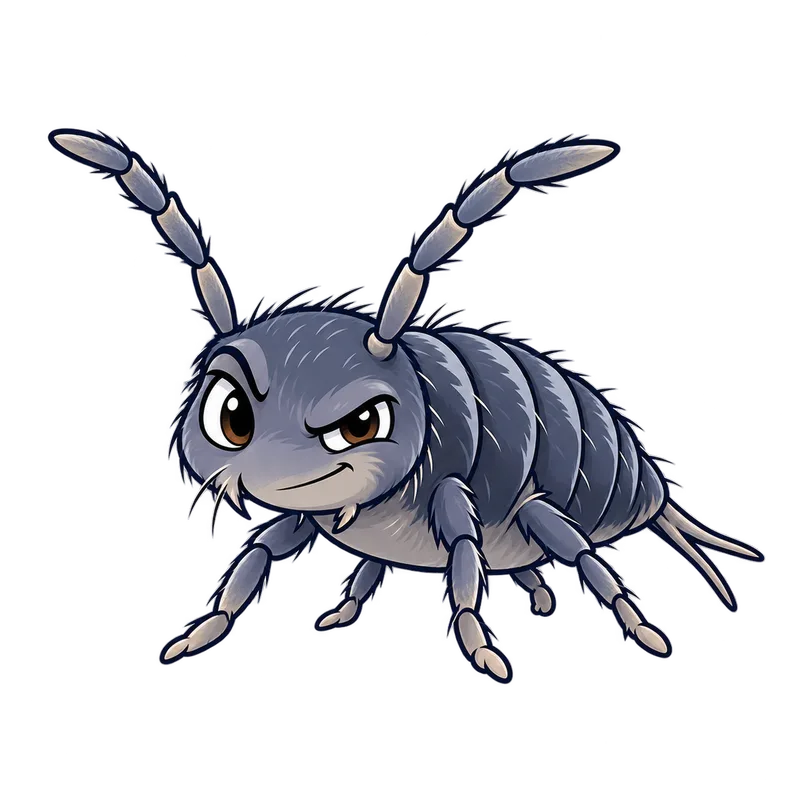
Springtails undergo a relatively simple developmental path compared to advanced insects, living out their lives as minute, soft-bodied hexapods without dramatic shifts in body plan. Throughout their life stages, they maintain a primitive, elongated shape featuring six functional walking legs and short, simple antennae. You will not find distinct castes like workers, soldiers, or queens among them, nor do males and females display obvious macroscopic differences that a homeowner could spot without a laboratory microscope. Their coloration remains consistently muted, typically running to a translucent grayish-white that blends well against damp earth or concrete. Because they are apterous, meaning they never develop wings at any point in their lifecycle, you will never see a flying springtail. Their primary method of travel remains walking across damp surfaces, supplemented by their famous emergency launch when startled. Illustrations of these creatures highlight their soft, pale body structure alongside a prominent scale bar to emphasize just how small they truly are.
Why it matters
Finding springtails inside your home means you have a moisture problem, not a structural crisis. They do not bite, sting, transmit diseases, or feed on wood, fabrics, or paper goods. They cannot damage your home's framing or chew through your drywall. Their presence acts as an organic warning light, telling you where humidity is running too high or where water is breaching the building envelope. Massive accumulations of dead springtails in hidden wall voids or subfloors can occasionally contribute to indoor allergens or degrade air quality for sensitive occupants, but living populations cause no direct harm. Reaching for an indoor aerosol pesticide usually solves nothing because the underlying cause remains unaddressed. The insects simply keep arriving from the saturated soil outside as long as the moisture pathway stays open. True control means managing the water instead of chasing the bugs. Repairing leaking foundation seals, running a dehumidifier in the basement, clearing blocked exterior drainage, and letting indoor potted plants dry out between waterings will stop them from crossing over long before any chemical spray could take effect.