
Why are springtails appearing after a moisture leak?
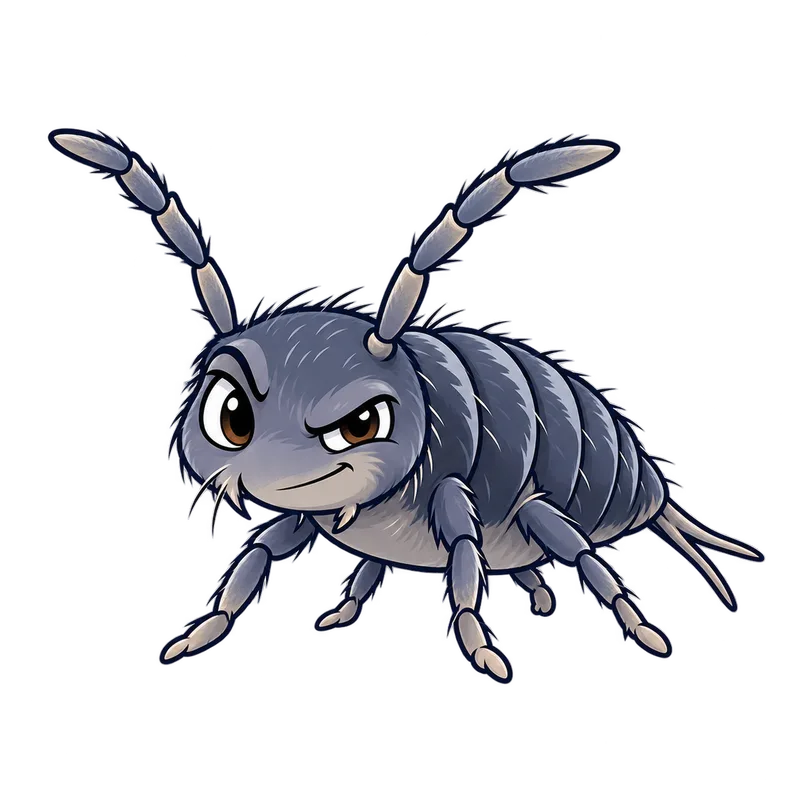
Springtails appear after a moisture leak because the water triggers an immediate bloom of microscopic molds, algae, and fungi that serve as their food. These tiny arthropods measure little more than 1/8 inch long and detect the moisture gradient from yards away, squeezing through cracks to find a damp home where they will not dry out.
What is actually going on
You step into the kitchen for a glass of water, lean down to check the cabinet beneath the sink, and notice what looks like a tiny dusting of dark pepper suddenly springing away in every direction. It is an unnerving welcome, especially when you realize a slow joint leak has been dampening the wooden floorboards for who knows how long. Those jumping specks are springtails, and they are not there by accident. They are there because your plumbing leak just created an all-you-can-eat buffet paired with a luxury resort.
Springtails are tiny, primitive arthropods that usually live outdoors in damp soil, leaf litter, and decaying mulch, where they happily munch on microscopic molds, algae, and fungi. When a pipe leaks or water seeps into drywall and subflooring, it triggers an immediate bloom of those exact microscopic fungi. Springtails detect that moisture gradient and the resulting micro-garden from yards away, squeezing through foundation cracks and utility gaps to find it.
The reason you see them right after a moisture leak comes down to their biology. They have a very thin, permeable outer layer that means they dry out and die rapidly in normal indoor air. They cannot survive wandering around a dry living room, which is why they stay huddled right next to the water source. If you find them indoors, you are essentially looking at a living water alarm that showed up the moment things got damp enough to grow mold.
How to tell for sure
People often panic and assume they are dealing with fleas, booklice, or even tiny termites when these bugs start hopping around. The easiest way to tell springtails apart is their signature party trick, which is a specialized tail-like appendage tucked under their belly that acts like a catapult. When you get close or disturb them, they launch themselves into the air without warning, usually covering a few inches in a flash.
They usually measure little more than 1/8 inch long, making them look like moving specks of dust, and they usually show up in shades of gray, white, or dark brown. You usually find them clustered in damp zones, such as directly under sinks, along baseboards near a leaky window, or inside damp cardboard boxes stored in a wet basement.
One common doubt people raise is whether these creatures are wood-boring pests that are chewing up the house framing alongside the leak. They are usually not, because their mouthparts are built strictly for grazing on surface molds and decaying organic debris. They do not eat sound wood, fabric, or human food, and they certainly do not bite humans or pets.
What usually comes next
The first practical decision you need to make is ignoring the temptation to reach for indoor aerosol bug bombs and focusing on the water instead. Spraying chemicals at springtails while ignoring the wet subfloor or leaking drain pipe is a waste of money because new ones will just keep arriving as long as the mold and moisture remain.
Start by fixing the plumbing leak or sealing the source of structural water intrusion immediately. Once the active water flow stops, bring in fans and a heavy-duty dehumidifier to dry out the affected framing, drywall, and subfloors completely, keeping your indoor relative humidity well below 50 percent. For the ones already crawling around, a vacuum cleaner equipped with a hose attachment makes quick work of physical removal. Just remember to empty or seal the vacuum bag and throw it straight into an outdoor trash bin so they do not crawl back out.
Beyond the immediate cleanup, toss out any water-damaged cardboard boxes or porous materials that are growing mold, since those act as prime feeding grounds. Moving mulch and organic debris a few feet away from your exterior foundation walls also helps keep outdoor populations from pressing against your walls looking for a way in.
When to get help
Most of the time, fixing the leak and drying out the space solves the problem entirely within a few days as the remaining bugs dry out and disappear. However, some situations call for outside backup. If the plumbing leak is hidden deep inside a wall cavity, under tiled flooring, or behind a shower stall, you will likely need a professional plumber or a restoration contractor to open up the structure and handle the concealed damage.
You should also consider involving a licensed pest management professional if springtail swarms persist for weeks after the area is completely dry, or if heavy outdoor migration pressure requires specialized exterior perimeter treatments. On the health side, massive accumulations of dead insects and their waste in unventilated spaces can sometimes trigger allergic reactions or aggravate asthma in sensitive individuals. If anyone in the home experiences persistent respiratory distress or severe skin irritation, consult a qualified clinician or healthcare provider right away.