
How can you reduce indoor springtails by addressing moisture?
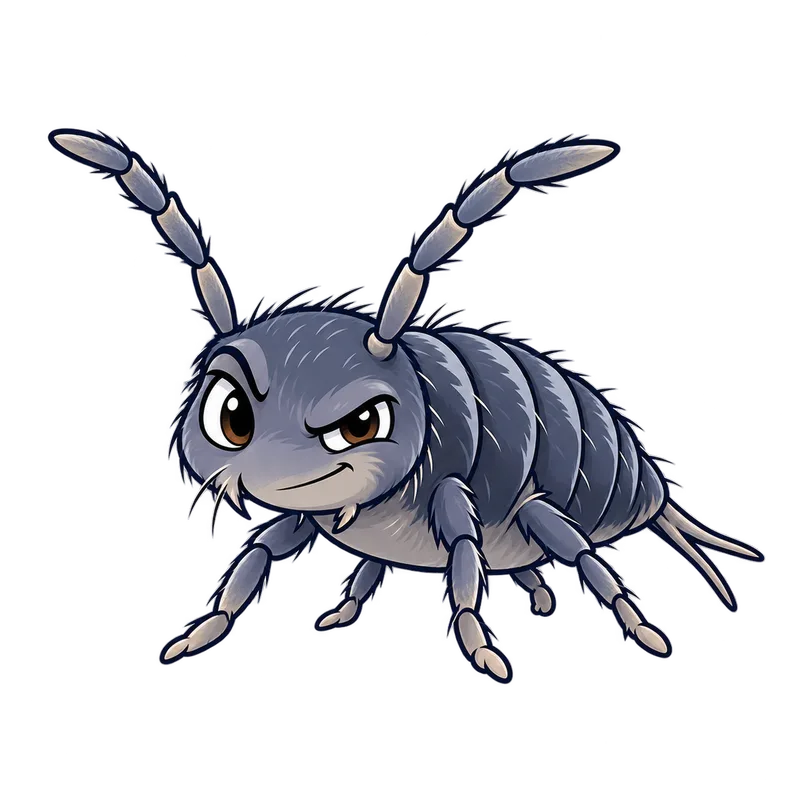
You can reduce indoor springtails by fixing wet conditions and dropping the indoor relative humidity below fifty percent. Because soft bodied springtails dry out remarkably fast in normal indoor air, keeping your house dry stops an invasion in its days.
What is actually going on
Imagine walking into the downstairs bathroom on a damp Tuesday morning and noticing a scattered handful of tiny, grayish specks across the edge of the sink basin. As you reach for a paper towel, a few of them suddenly vanish into the air with an odd, jerky snap, as if someone flicked them away with an invisible finger. You are probably dealing with springtails, small, primitive creatures that live by the tens of thousands in outdoor soil, munching on mold spores and rotting leaves. They do not bite, they do not carry diseases, and they certainly do not care about your furniture or drywall. They only want one thing, which is moisture, and your house just happened to offer them a temporary reprieve from a flooded yard or a baking summer drought.
When the soil outside gets waterlogged from heavy spring rains or winter snowmelt, these tiny organisms lose their oxygen supply and climb upward. They squeeze through foundation cracks smaller than the width of a pencil lead, following dampness right into your basement, kitchen, or bathroom. Because their bodies are soft and lack any real water retention, they dry out remarkably fast in normal indoor air. If your house sits at a comfortable relative humidity below fifty percent and has no hidden plumbing leaks or soggy spots, any springtails that wander inside will simply dry up and die within a day or two. The whole invasion usually stops dead in its tracks the moment you fix the wet conditions that invited them in.
People often assume that finding hundreds of jumping bugs means an infestation is breeding inside the walls, but springtails cannot reproduce in dry indoor spaces. They need continuous moisture and active fungal growth to survive, meaning they are really just an indicator species pointing toward a leak, a sweating water pipe, or an overwatered houseplant. If you clear away the damp organic debris right outside your foundation and drop the indoor humidity, you pull the plug on their entire survival strategy without ever needing to spray harsh chemicals.
How to tell for sure
Most springtails measure about one-eighth of an inch and show up in shades of gray, white, or dark brown that make them look like ordinary dirt specks until they shift. The dead giveaway that separates them from other microscopic household visitors is that famous leaping trick, which comes from a specialized spring tucked under their belly. When you approach a damp windowsill or a bathroom tile and the whole cluster suddenly vanishes into thin air, you are almost certainly looking at springtails instead of fleas or mites. They naturally crowd together in places with heavy moisture, such as sink basins, utility rooms, and the baseboards of damp basements.
You can usually trace the exact problem by mapping out where you find them. If they cluster around the soil of a houseplant, that wet potting mix is acting as their nursery. If you spot them crossing a dry hallway far from any water, they likely crawled in from the outside wall or a damp crawlspace and are already running out of time. They leave wood, carpets, and pantry items entirely alone, meaning you will never trace chewed furniture or damaged food packages back to them.
What usually comes next
Your biggest choice comes down to whether you want to chase them with bug spray or fix the humid conditions inviting them indoors in the first place. Grabbing a household aerosol spray feels productive, but it rarely fixes anything because it leaves the damp microhabitats completely untouched, which invites a brand-new wave of bugs by next weekend. Instead, vacuum up the visible clusters to get them out of sight, and then channel your efforts into lowering the indoor humidity and drying out your home exterior.
This often means running a dehumidifier in the basement, fixing that slow drip under the kitchen sink, and pulling heavy wood mulch or rotting leaves a few feet away from your foundation so the soil can breathe. Laying down a narrow strip of gravel right next to the house creates a dry, unwelcoming zone that discourages them from marching inside. Once you take away their damp hiding spots, the indoor population usually disappears completely on its own.
When to get help
Most springtail trouble clears up through standard cleaning, sealing gaps, and drying things out, but certain situations call for professional backup. If water keeps seeping through your foundation walls, hidden pipes are leaking inside the drywall, or a dirt crawlspace needs heavy plastic liners and drainage systems installed, you should call a building contractor or a moisture specialist.
If these bugs keep pouring into your living spaces by the thousand even after you sealed every crack and dried out the rooms, a licensed pest control professional can safely inspect exterior barriers or structural gaps. Keep in mind that springtails do not bite people or cause skin disorders, so if anyone in your home suffers from unexplained bites, rashes, or lingering skin irritation, skip the pest sprays entirely and schedule a visit with a healthcare provider for a proper checkup.