
How do you reduce springtails in a bathroom?
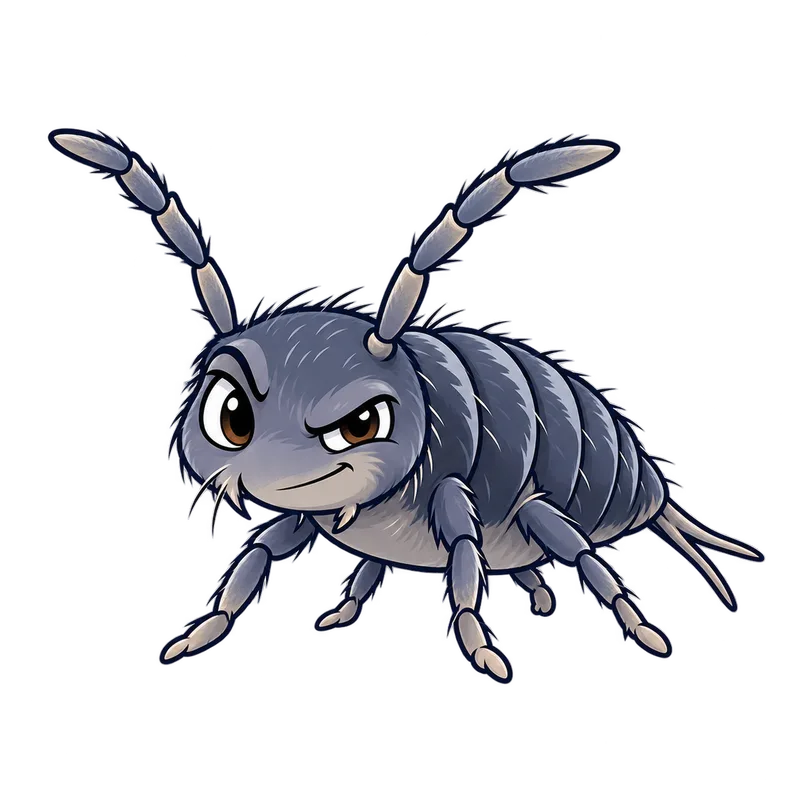
You reduce springtails in a bathroom by fixing the chronic moisture drawing them indoors and physically clearing out the ones already there. Because these primitive, wingless arthropods measure one eighth of an inch or less and lack a waterproof outer skin, they cannot survive in dry spaces. Sustainable reduction depends on lowering the relative humidity below fifty percent and sealing gaps around pipes and baseboards with silicone caulk.
What is actually going on
You walk into the bathroom barefoot on a Tuesday morning, flip on the light, and notice a faint gray dusting along the base of the tub. As you lean in closer, the whole patch suddenly vanishes in a manic wave of tiny leaps. You are looking at springtails, and your first instinct is probably to wonder how on earth a swarm of jumping specks managed to set up camp in a room you clean every weekend.
Reducing springtails in a bathroom requires fixing the chronic moisture drawing them indoors while physically clearing out the ones already there. Because these tiny creatures lack a waterproof outer skin, they cannot survive in dry spaces. They are drawn to your bathroom because it offers an oasis of damp air, sweating pipes, and microscopic films of mold or algae along the tile grout.
If you only grab a can of aerosol spray, you will likely find yourself playing an endless game of whack-a-mole. The spray might kill the ones currently sitting on the baseboard, but if the air is still humid and the sink trap is still weeping water behind the wall, more will simply march in through the nearest gap. Sustainable reduction means changing the environment so the bathroom stops feeling like a damp forest floor.
How to tell for sure
Before you start sealing up walls or dragging in dehumidifiers, you usually want to confirm what you are actually dealing with. Springtails are primitive, wingless arthropods that measure one-eighth of an inch or less, and their defining party trick is a specialized tail-like appendage folded beneath their belly that snaps open to launch them into the air when startled. That jumping behavior is the quickest way to tell them apart from other tiny, moisture-loving bathroom visitors.
Booklice, for instance, are similarly tiny and pale, but they do not jump, and they tend to have a noticeably oversized head feature. Silverfish are larger, usually three-tenths of an inch or more, with a tapered carrot-shaped body covered in metallic silvery scales, and they move in a fast wiggling motion instead of leaping. You will usually find silverfish trapped in your porcelain sink or tub because their smooth-soled feet cannot scale slick vertical ceramic walls, whereas springtails can bounce right back out unless they land in standing water.
If you spot a long-legged, fast-running hunter darting across the tiles, that is likely a house centipede rather than a pest to worry about. Centipedes are actually beneficial predators in this context because they actively hunt down springtails and silverfish in damp corners. Pinning down the exact culprit helps you target the actual moisture source rather than guessing.
What usually comes next
You have to decide whether your primary battle is happening inside the room or hiding out of sight, and that choice dictates your next move. If you see just a few scattered bugs trapped in a dry sink basin, your best immediate action is usually to grab the vacuum cleaner and sweep them up, making sure to empty the canister or bag into an outdoor trash bin immediately so they do not crawl back out.
On the other hand, if you are sweeping up thick swarms every morning despite keeping the counters wiped down, vacuuming is just a temporary band-aid. You are dealing with a structural moisture supply that needs investigating. That means looking under the sink for a slow drip at the pipe joints, checking if the exhaust fan actually vents outside instead of into the attic, or noticing whether the bathroom wall shares a damp crawlspace that lacks proper vapor barriers.
When plumbing is bone dry and the room still feels like a greenhouse, you usually need to bring in a portable dehumidifier to drop the relative humidity below fifty percent. Lowering that moisture level starves out the mold and algae they feed on and pushes the ambient air past their tolerance limit, causing them to die off naturally without needing a drop of insecticide.
When to get help
Most bathroom springtail issues respond well to basic ventilation and sealing up gaps around pipes and baseboards with silicone caulk, but certain situations call for outside backup. If you fix the obvious plumbing drips, run a dehumidifier constantly, and still find fresh waves of springtails pouring out from behind the shower surround or bubbling up from beneath the floorboards, you likely have a hidden leak rotting the subfloor or soaking an interior wall cavity. That is the moment to call a licensed plumber or building contractor to track down the concealed moisture before structural rot takes hold.
If the infestation feels massive, or if the bugs are migrating in heavy numbers from mysterious outdoor wall voids that you cannot reach, a licensed pest control operator can apply targeted exterior exclusion or barrier techniques. Never guess at chemical treatments or use products off-label. Always follow the product label instructions precisely regarding protective gear, ventilation, and keeping children and pets away from treated zones.
On the health side, springtails do not bite, they do not sting, and they do not carry human diseases or damage wood and fabrics. If anyone in your household experiences unexplained skin rashes, persistent bites, or severe allergic reactions, do not chalk those symptoms up to springtails. Consult a qualified clinician, an urgent care facility, or your local poison control center to find the real cause of the irritation.