
Why are springtails found in soil?
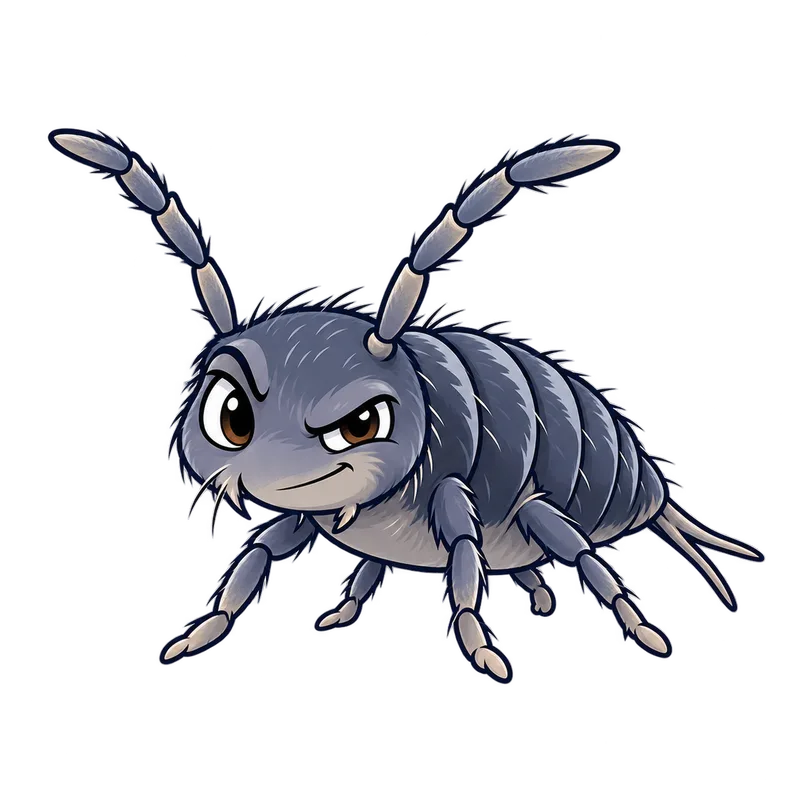
Springtails live in soil because the earth provides the exact combination of moisture and microscopic food that these tiny, soft-bodied creatures need to survive. They graze on fungal spores, bacteria, algae, and decaying plant matter in damp topsoil and leaf litter.
What is actually going on
You walk down to the basement on a damp Tuesday morning after heavy overnight rain, and you notice what looks like a dusting of gray pepper grains moving along the base of the foundation wall. When you lean in closer for a better look, the specks suddenly launch themselves into the air like microscopic popcorn. You grab a broom, wondering how on earth soil insects managed to migrate indoors, and why they picked your basement floor to do it.
Springtails live in soil because the earth provides the exact combination of moisture and microscopic food that these tiny, primitive creatures need to survive. Think of outdoor soil as a bustling underground city where springtails act as the permanent cleanup crew. In a single cubic foot of damp topsoil or leaf litter, you can find tens of thousands of them grazing on fungal spores, bacteria, algae, and decaying plant matter. Because they measure less than one-eighth of an inch long and have delicate, soft bodies, they rely completely on the damp pore spaces between soil particles to keep from drying out.
The only reason you are seeing them inside your house is that their outdoor home got uncomfortable. When a heavy downpour or spring snowmelt fills those soil pore spaces with water, the ground essentially floods from their perspective. Cut off from oxygen and forced to move, they scramble upward and outward to escape drowning. They crawl along foundation seams, slide through tiny gaps, and end up wandering across your basement floor or pooling near patio doors.
You might wonder why they do not just stay inside once they make it past the threshold. The reality is that climate-controlled indoor air acts like a desert for an organism built for damp soil. Lacking the heavy humidity and microbial food sources of the yard, these accidental travelers usually dry out and die within a short time. They are not trying to nest in your drywall, and they certainly have no interest in your pantry. They are just displaced refugees from the garden.
How to tell for sure
People often mistake springtails for fleas, booklice, or tiny mites, mostly because of the panic that sets in when you find hundreds of bugs moving at once. True springtails are usually grayish-white, dark, or translucent, growing to no more than one-eighth of an inch long. They are wingless, soft-bodied hexapods, which is just an entomological way of saying they are primitive cousins to true insects.
The single best behavioral clue is their signature escape trick. If you approach a cluster of small bugs and they launch themselves into the air without using wings, you are usually looking at springtails. They possess a specialized, spring-loaded tail structure tucked under their bellies called a furcula, which acts like a miniature catapult when they feel threatened. Mites have eight legs and do not jump, while booklice scurry sideways or forward rather than springing away.
Where you find them usually tells the story, too. Outdoors, they stay tucked in damp mulch, compost heaps, and topsoil right up against the house. Indoors, you will usually spot them trapped in dry ceramic surfaces where they cannot escape, such as bathtubs, basement utility sinks, or around damp sliding glass doors.
There is one common exception to keep in mind, and it involves your indoor houseplants. If you have a potted fern or fiddle-leaf fig that stays a bit too wet, springtails can establish a permanent, breeding population right inside the flowerpot. In that specific setup, the damp potting soil mimics their outdoor habitat so well that they can survive indefinitely, completely ignoring the dry air of the rest of the room.
What usually comes next
Since indoor springtails are mostly victims of bad weather and dry air, your best move is to focus entirely on stopping them at the exterior boundary rather than spraying the living room with chemicals. Reaching for a household aerosol can usually solves nothing because the bugs are already dying from the dry climate anyway, and a fresh wave will just take their place tomorrow if the outdoor conditions remain unchanged.
Instead, look at the physical gap between your yard and your foundation. The most effective step you can take is to create an inorganic buffer zone directly against your exterior walls. Pull back thick organic bark mulch, decorative leaf litter, and damp soil from the foundation, and replace that perimeter strip with a band of gravel, crushed stone, or bare rock.
That simple band of dry stone acts as an inhospitable barrier that discourages springtails from congregating right where your weep holes and utility penetrations offer a doorway inside. Combine that with a quick check on your downspouts to make sure rainwater drains several feet away from the house, and you cut off the moisture loop that drives them toward your walls in the first place. For the stragglers already inside, a vacuum cleaner with a filter does the job cleanly without introducing unnecessary products into your living space.
When to get help
Springtails do not bite, they do not sting, they do not transmit diseases, and they will not chew on your structural framing or your favorite leather armchair. Their presence is an aesthetic nuisance and a flashing warning sign about excess moisture, rather than a structural emergency.
Even so, massive indoor accumulations of dead insects and their microscopic shed skins can sometimes contribute to indoor dust loading, which might occasionally irritate sensitive airways or aggravate asthma symptoms in vulnerable individuals. If anyone in your household experiences persistent respiratory distress, unexplained skin rashes, or allergy flare-ups that you suspect are tied to indoor pests, do not try to diagnose the issue yourself. Speak directly with a qualified clinician, an urgent care provider, or your local poison control center for proper medical guidance.
You should also look outside the DIY playbook if your springtail invasion becomes a permanent seasonal feature despite your best efforts with gravel barriers and moisture control. Finding thousands of jumping specs indoors month after month usually points to a hidden structural problem, such as an undetected plumbing leak under a shower pan, chronic dampness in a poorly ventilated crawl space, or an unsealed structural void that constantly feeds moisture to indoor soil populations. When basic perimeter management fails to stem the tide, bringing in a licensed pest management professional or a structural contractor is the safest way to track down the hidden water source and fix the root of the problem.