
Tiny jumping bugs in a bathroom: springtails or fleas?
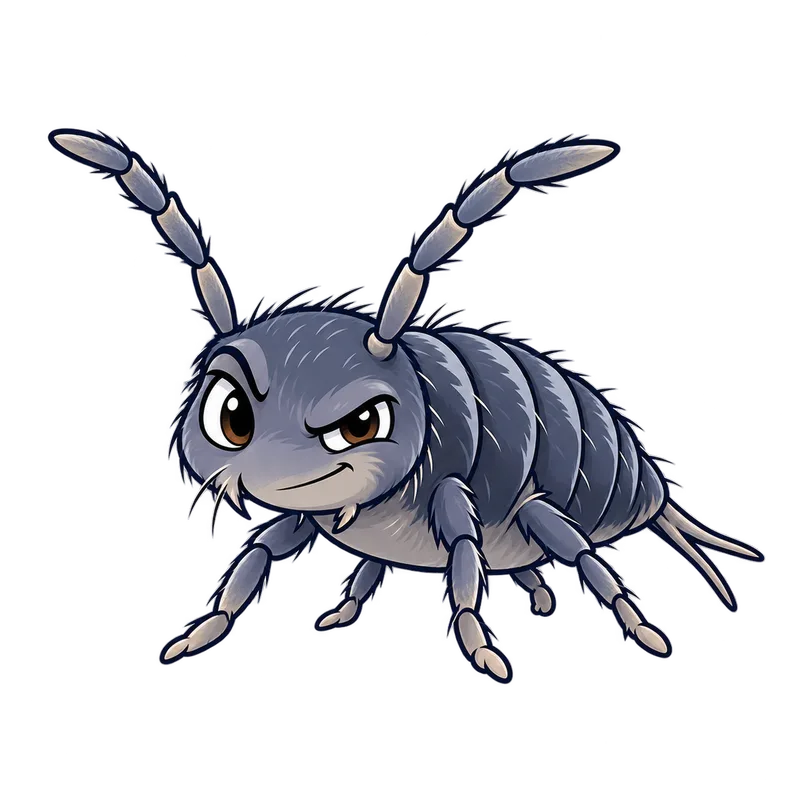
Those tiny jumping bugs in a bathroom are usually springtails rather than fleas, and telling them apart comes down to whether anyone is getting bitten and what they look like under close inspection. Fleas need a warm-blooded host and live where resting animals drop eggs, while springtails graze on mold in high humidity and have a special tail-like appendage used for jumping.
What is actually going on
You step out of the shower, reach for a towel, and notice a handful of microscopic specks darting across the edge of the sink or scrambling near the base of the toilet. They are tiny, they seem to vanish the second you look right at them, and when you get close enough to squint, they jump. Naturally, your mind races straight to fleas. You picture your cat, or that stray dog from down the street, and wonder how an invasion started in the middle of your pristine tile.
Most of the time, those leaping specks in a damp bathroom are not fleas at all. They are usually springtails, or sometimes tiny moisture-loving insects like booklice or drain flies, which have zero interest in your blood or your pets. Fleas are obligate parasites, meaning they need a warm-blooded host to survive and reproduce, and they show up because an animal brought them there. Springtails and their damp-loving cousins are simply grazing on the invisible microscopic mold and organic slime thriving in your bathroom's high humidity.
If you do not have pets, or if your ankles are completely bite-free, you can usually rule out fleas right away. Fleas do not hang out in bathroom sinks just to admire the porcelain. They live where resting animals drop eggs, which typically means carpets, pet bedding, and quiet floor cracks. When you find tiny bugs launching themselves around a wet environment without leaving a trail of itchy red welts, you are looking at a localized moisture issue, not a parasite infestation.
How to tell for sure
Telling a flea from a springtail usually comes down to three things: body shape, jumping gear, and whether anyone is getting bitten. If you can trap one on a piece of clear sticky tape and look at it closely, the structural differences are usually stark.
Fleas are thin from side to side, much like a tiny coin standing on its edge. This lateral compression lets them slide effortlessly through the dense fur of a cat or dog. Springtails do not have that compressed shape, and they usually sport a specialized tail-like appendage tucked under their belly called a furcula. When startled, they release this spring-loaded latch, sending themselves tumbling into the air like a popped kernel of corn, whereas fleas rely on massively enlarged muscular hind legs to leap vertically up to thirty centimeters.
Do not try to name the bug just by looking at an itchy mark on your skin. A red bump on your ankle could easily come from mosquitoes, tiny mites, or a normal allergic reaction, and skin marks alone are never enough to prove what bit you. If you want a straight answer before you spend money on sprays, press a piece of clear tape over a live bug, stick it to a clean white sheet of paper, or drop a few captives into a small glass vial. You can then save them or show them to a local agricultural extension office for an accurate ID.
What usually comes next
Your next move depends entirely on what those bugs turn out to be under a closer look. If your tape test or simple logic points to fleas, your plan has to focus on your pets and soft furniture. You will need to treat your animals using veterinary guidance, vacuum your carpets and baseboards thoroughly, and wash pet bedding and bath mats in hot water.
If the bugs turn out to be springtails or other moisture lovers, spraying pesticide around your bathroom is mostly a waste of effort and cash. Those critters are only there because they found a steady supply of dampness and organic slime. To clear them out, you need to dry the room out. Run your exhaust fan during every shower and leave it on for thirty minutes after you finish, fix any slow leaks hiding behind the sink or toilet, and scrub out your drains with an enzymatic cleaner to wash away the film they feed on.
When to get help
There are times when a bathroom pest issue goes beyond a simple weekend fix and calls for professional backup. If you develop a bad allergic reaction, heavy swelling, or a skin infection from scratching bites, skip the home fixes and talk to a doctor right away.
If your jumping bugs turn out to be fleas that simply will not leave after you have treated your pets and cleaned the house, you might be dealing with hidden wildlife. Sometimes mice, rats, bats, or birds nesting in an attic, wall void, or chimney leave behind pests that wander down into your living spaces when the original animal hosts move out or die. Because native wildlife, bats, and certain birds often have legal protection, you should never try to trap or remove them yourself. Bring in a licensed pest professional or a wildlife control expert to handle those structural entry points safely and within the law.