
Drain flies vs springtails: how can you tell?
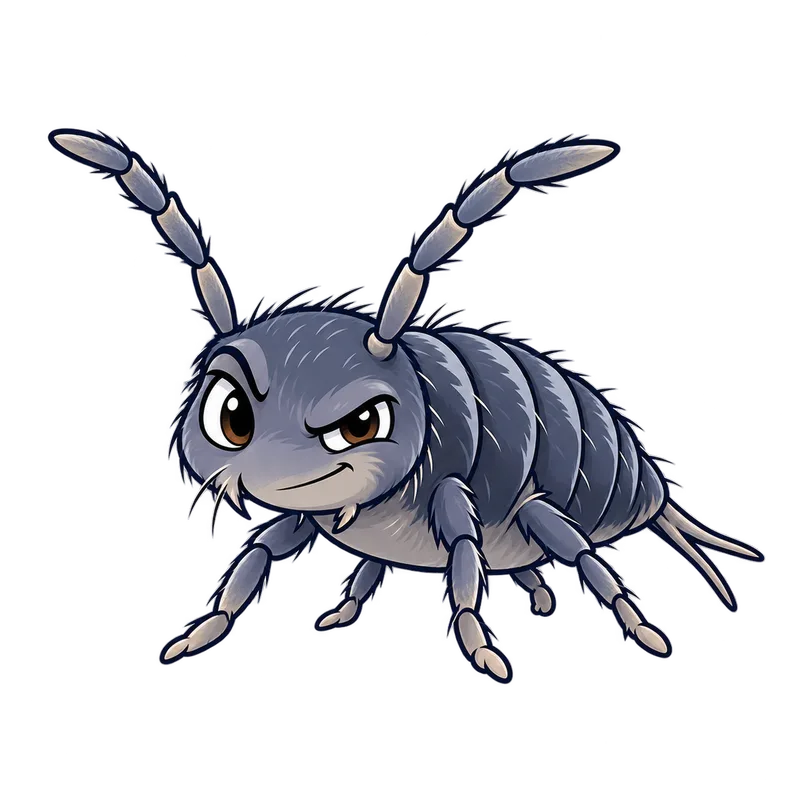
You can tell drain flies and springtails apart by watching how they move and checking for wings. True drain flies take to the air with a steady buzzing flight, while springtails have no wings and instead pop into the air by snapping a specialized tail mechanism.
What is actually going on
You step into the bathroom late at night to grab a glass of water, flip on the light, and notice a collection of tiny gray specks darting across the damp caulking near the shower rim. Naturally, you wonder if you are looking at baby drain flies hatching from the pipes, or something else entirely. If those specks suddenly vanish by leaping into the air rather than buzzing away on wings, you are dealing with springtails instead of true flies.
People often mistake them for flying insects because their method of travel is so abrupt. They do not actually fly, though. Springtails are primitive, soft-bodied creatures measuring between one to three millimeters, which translates to roughly a sixteenth to an eighth of an inch. They possess six legs and long, slender antennae, but no wings whatsoever. Instead, they rely on a specialized, folded tail mechanism tucked under their abdomen that snaps open to launch them several inches at a time. It looks less like a controlled flight and more like a kernel of popcorn popping off the tile.
Their presence near your bathroom sink, tub overflow, or laundry room floor drain is usually a message about your house rather than an invasion. Springtails need high moisture and decaying organic debris, such as mold spores, algae, and bacteria, to survive. When outdoor soil becomes saturated from heavy spring rains or baked dry by summer drought, these tiny hexapods migrate toward structures and slip inside through foundation gaps. Once inside, they congregate wherever humidity lingers. They do not bite, they do not sting, they carry no human pathogens, and they will never chew through your wooden framing or drywall.
How to tell for sure
Telling springtails apart from actual drain pests comes down to observing how they move and taking a closer look at their bodies. If the insect takes to the air with a steady, buzzing flight and lands on the mirror or light fixture, it is a true fly. If it crawls quietly across the porcelain and then pops into the air only when you get close, you are usually looking at a springtail.
To confirm what you have, grab a magnifying glass and check for a few physical details. True flies have distinct wings and undergo complete metamorphosis from larvae that breed directly in the organic slime inside drain pipes. Springtails have no wings, no wing pads, and no larval stage that looks different from the adults. They emerge from eggs as tiny miniatures of themselves.
Keep in mind that these creatures are living humidity gauges. If you find them in your living spaces, they are usually telling you that your indoor relative humidity is creeping upward, or that a hidden plumbing pipe is sweating behind the wall. They are rarely interested in dry rooms unless an over-watered houseplant provides a damp island of organic soil.
What usually comes next
Your first instinct might be to grab an aerosol bug spray and coat the baseboards, but chemical treatments usually fail here for a simple reason. Spraying insecticide onto a bathroom floor will not solve the underlying dampness that attracted the springtails in the first place, meaning new ones will just wander in to take their place.
The most practical decision you can make is to address the moisture gradient instead. Lowering your indoor relative humidity creates an environment that springtails cannot tolerate, drying them out within days. You can achieve this by running exhaust fans during and after showers, and by setting up a dedicated dehumidifier in damp basements or crawlspaces.
Alongside humidity control, take care of physical housekeeping. Use a vacuum cleaner to pick up active groups from tiles and baseboards, then immediately seal and toss the vacuum bag outside. Check under your sinks for slow supply leaks, clear hair and soap scum out of slow drains, and seal up exterior foundation gaps with caulk to stop outdoor populations from wandering inside when the weather turns harsh.
When to get help
Most springtail issues resolve once you fix the local humidity and clean up organic debris, but certain situations call for outside expertise. If you have lowered your humidity and scrubbed your drains yet find large numbers of springtails continuing to emerge from wall voids or subfloor areas, you may be dealing with a hidden water leak behind the drywall or under the subfloor.
In that case, you should bring in a building contractor or a plumber to track down concealed pipe damage or drainage failures. If the infestation is overwhelming or the entry points are completely inaccessible, a licensed pest management professional can help identify specific structural vulnerabilities and recommend perimeter measures.
Should you ever experience unexplained skin irritation or other health concerns around the house, consult a clinician, an urgent care service, or your local poison control center right away. Pest investigations cannot substitute for medical advice, and getting a professional opinion keeps both your home and your health on solid ground.