
Do springtails eat mold?
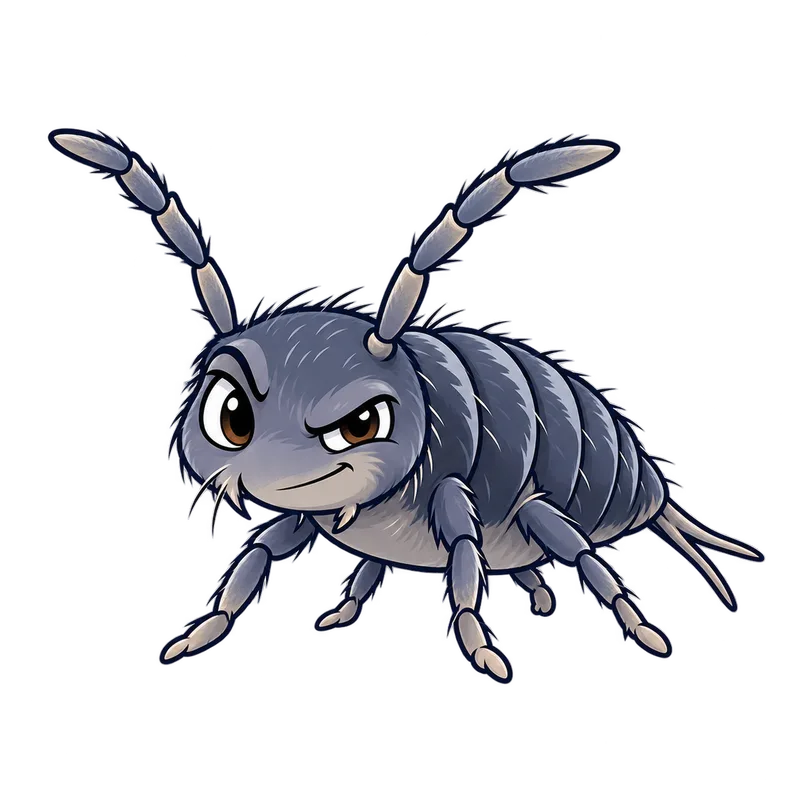
Yes, springtails eat mold, and fungal growth forms a core part of their natural diet alongside microscopic fungal hyphae, algae, bacteria, and decaying organic matter. These tiny, wingless creatures measure a little more than one-eighth of an inch long and feed directly on these sources in damp outdoor environments.
What is actually going on
You walk down to the basement on a damp Tuesday morning after a heavy overnight rain, and you notice what looks like a light dusting of gray pepper near the baseboard. When you lean in closer to check it out, the specks suddenly launch themselves an inch or two into the air, scattering in every direction. Naturally, your first thought is to wonder what on earth they are and whether they are chewing up your baseboards or hunting for a human ankle to bite.
Yes, springtails eat mold, and fungal growth forms a core part of their natural diet. These tiny, primitive creatures feed directly on microscopic mold spores, fungal hyphae, algae, bacteria, and decaying organic matter. Outdoors, they live by the tens of thousands per cubic foot in damp soil, leaf litter, and mulch, happily munching away on decaying matter and keeping the soil ecosystem ticking along. They are essentially microscopic moisture meters and scavengers rolled into one.
So why are they crashing your indoor space? Springtails have soft, permeable bodies that dry out very quickly. When heavy spring rains saturate their outdoor soil burrows, or when a brutal summer drought bakes the topsoil dry, they go looking for a safer place to live. They slip inside through foundation cracks, gaps beneath doors, or plumbing penetrations, and sometimes hitch a ride inside the damp potting soil of your favorite indoor houseplants.
You might wonder how long they plan to stay once they cross your threshold. The comforting truth is that most standard indoor environments are simply too dry for them to survive for long. Lacking the sustained moisture and fungal food sources they need, springtails usually desiccate and die rapidly indoors unless there is an active plumbing leak, chronic condensation, or a perpetually soggy houseplant feeding them. They are not here to eat your home, but rather to follow the invisible trail of moisture and mold.
When springtails show up in your living room or laundry area, you are watching an environmental eviction. They do not head indoors to find a cozy nest the way a mouse might. Instead, they are simply running away from an outdoor home that has suddenly turned hostile because of flooding or severe drought. Their thin skin leaves them with zero defense against drying out, so their trip inside is just a panicked scramble to stay alive.
Once they get past the foundation, they follow tiny drafts of humid air and the scent of rotting mold. That is why you often find them stuck in dry porcelain tubs or crawling along wet baseboards. They are basically stranded in a dry wasteland, looking everywhere for the rich soil and rotting leaves they left behind. Realizing this changes how you look at the whole situation. You are not fighting wood-eating bugs that want to ruin your house, but rather dealing with lost wanderers acting as living smoke alarms for hidden dampness.
How to tell for sure
Springtails are tiny, measuring little more than one-eighth of an inch long, and usually show up in shades of gray, white, brown, or dark charcoal. If you spot them with your naked eye, the giveaway behavior is their immediate, erratic jumping movement when approached, which happens because they possess a specialized fork-like appendage tucked under their belly that acts like a coiled spring.
If you grab a magnifying glass, you will usually see a soft, wingless body with six legs and short antennae. People frequently confuse them with booklice, which are similar in size and also love humidity, but booklice run rather than jump and possess a distinct rounded face shape. Mites are another common lookalike, but a close inspection usually reveals eight legs instead of six. Confident species identification within the springtail family usually requires a preserved specimen under a microscope, but for a homeowner, knowing they are moisture-loving springtails is enough to point you toward the real issue.
You can usually tell you are dealing with springtails rather than something more destructive by looking at where they gather. They tend to congregate in damp bathrooms, around shower drains, inside sink vanities, near basement floor drains, or right around patio doors where humidity levels peak. If you see hundreds of them massing indoors, it usually points to a sudden shift in outdoor soil moisture or an overlooked indoor water leak that is quietly growing mold behind the scenes.
What usually comes next
The smartest move right now is to skip the heavy indoor bug sprays and start hunting for water. Since springtails are basically flashing warning lights for moisture and mold, spraying them without fixing the leak is like slapping tape on a burst pipe. They will just keep showing up as long as there is a soggy spot and some mold for them to eat.
Take a hard look around the spot where you found them. Is there a slow drip under the kitchen sink, a basement that never quite dries out, or a houseplant you have been drowning with the watering can? If you dry things out by plugging in a dehumidifier, fixing that plumbing leak, or letting your plant soil dry out, you take away everything they need. Vacuum up the ones already crawling around, and the problem usually vanishes on its own without you having to fill your rooms with chemical fumes.
When to get help
Most springtail run-ins are just minor annoyances that go away once you dry out the house, but some situations need a closer look. If you keep seeing huge numbers of them day after day even though you are trying to dry the place out, you might have hidden water damage, a leaking pipe inside a wall, or a wet subfloor that needs a pest control expert or a contractor to check out.
If you are thinking about using chemicals, keep in mind that spraying the outside perimeter or treating hard-to-reach wall voids are jobs best left to a licensed professional who follows the product label. Do not waste your time with bug bombs, since they almost never reach the hidden spots where these pests live and do nothing to stop the mold and moisture causing the trouble.
On the health side of things, springtails do not bite, do not spread human diseases, and will not chew up your furniture or clothes. If anyone in your house develops weird skin rashes, marks, or allergy symptoms, do not assume these bugs are to blame. Talk to a doctor, an urgent care clinic, or your local poison control center to figure out what is actually going on.