
Snow flea vs springtail: what is the difference?
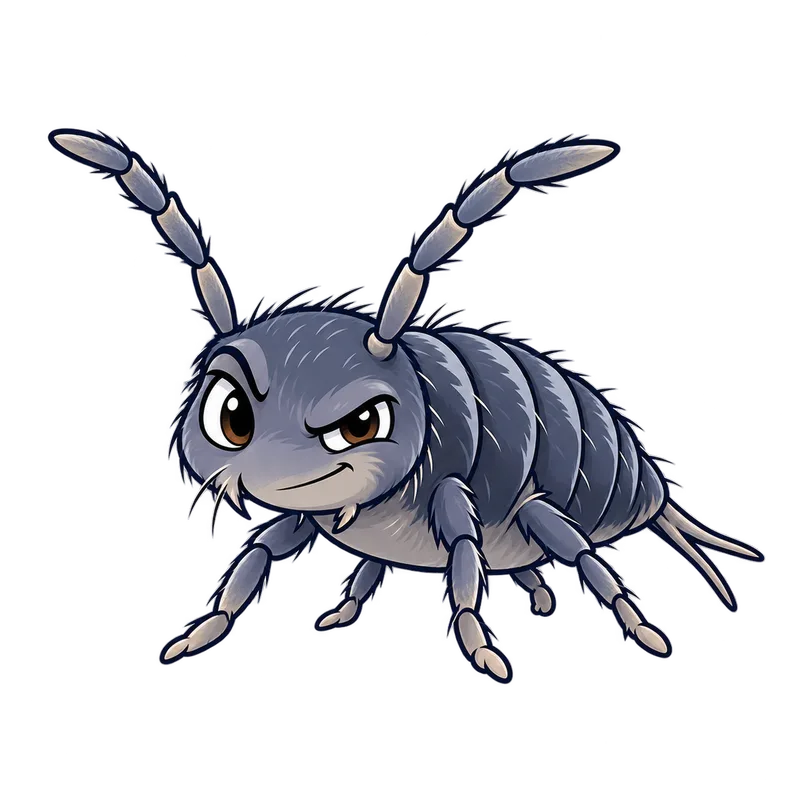
Every snow flea is a springtail, meaning a snow flea is simply a colorful nickname for a cold-tolerant species of springtail. These tiny, wingless creatures measure up to one-eighth of an inch long and use a specialized, fork-like organ to hop, but they are not true fleas and do not bite.
What is actually going on
You walk out to shovel the driveway on a crisp February morning and notice what looks like a pinch of coarse black pepper scattered across a patch of old snow. When you look closer, the pepper starts hopping. Naturally, you might wonder if fleas are somehow surviving the freezing winter in your yard, or if some new kind of biting pest has moved into the neighborhood.
The short answer is that you are looking at snow fleas, but they are not fleas at all. Snow flea is simply a colorful nickname given to specific cold-tolerant species of springtails, which are tiny, primitive, wingless creatures belonging to a group called Collembola. This means that every snow flea is a springtail, but not every springtail is a snow flea, and neither of them has anything to do with the blood-sucking parasites that bother your dog or cat.
People often get alarmed because these creatures suddenly appear by the thousands on melting snowbanks or inside basement windows just as the weather starts to turn. They are not trying to invade your living space for food or shelter because they want to stay. They are simply reacting to the environment. When winter thaws saturate outdoor soil with meltwater, these tiny organisms are forced upward to find dry ground, which often leads them right to your foundation walls.
The confusion with real fleas usually comes from how they move. While a true flea uses powerful hind legs to leap, a springtail uses a specialized, fork-like organ tucked underneath its belly. It acts like a coiled trapdoor, snapping down against the ground to launch the creature into a blind, erratic hop when something startles it.
How to tell for sure
At room scale, springtails usually appear as tiny moving specks or small grayish bugs crawling across damp concrete, bathroom tiles, or window sills. If you grab a magnifying glass, you will usually see a soft, wingless body with six legs and long, slender antennae, ranging from a fraction of a millimeter to about one-eighth of an inch long.
Coloration usually varies by species and season. Outdoor and winter-active snow fleas are typically dark blue, gray, or black, which helps them absorb heat from the weak winter sun. Indoor occasional invaders can be pale gray, translucent white, or brownish.
You can usually confirm what you are dealing with by testing their reaction. Gently nudge one with the tip of a pen. If it instantly vanishes in a sudden, jerky hop without using visible hind legs, you are looking at a springtail rather than a mite, a booklouse, or a grain beetle.
Another major giveaway is what they are doing. If you find them indoors, they are usually concentrated in high-moisture zones like basements, crawlspaces, underneath leaking sinks, or inside the damp soil of over-watered houseplants. They do not bite, they do not sting, and they do not feed on your skin, clothes, or wooden furniture. They graze strictly on microscopic mold, algae, and decaying organic matter.
What usually comes next
When you spot hundreds of jumping specks down in the basement or out on the porch, your smartest first move is simply lowering the indoor humidity instead of racing off to buy bug spray. Springtails are essentially tiny biological sponges wrapped in extremely thin skins. If they do not have a constant supply of moisture, they dry out and perish within days.
Plugging in a room or basement dehumidifier to keep indoor humidity below fifty percent strips away the one thing they need to stay alive. Once the air gets that dry, all life stages of these pests dry up and die off in a couple of weeks. Pair that with a quick pass of the vacuum to clear out whatever is currently wandering around, and you fix the root cause of the trouble.
Reaching for chemicals is usually a dead end if you ignore the dampness. Spraying a perimeter pesticide might knock out the first wave, but more will keep crossing the threshold as long as the basement stays humid or wood mulch rests right against the siding. Focus instead on drying out the space, pulling mulch a couple of feet back from the foundation, and sealing up gaps around doors and windows.
When to get help
Most indoor springtail encounters are harmless nuisance episodes that resolve themselves once the weather settles down or you run a dehumidifier. Still, their presence can sometimes point to a larger structural problem that calls for a professional eye. If you keep finding massive numbers of them indoors long after the snow has melted or the heavy rains have stopped, you probably have a hidden moisture leak somewhere in the structure.
Call in a licensed plumber, a drainage contractor, or a building inspector if you suspect hidden plumbing leaks, sweating pipes, foundation wall seepage, or poor outdoor grading that dumps water right against your house. If you leave those damp spots alone, they will eventually invite far worse structural damage than a harmless batch of hopping bugs, including wood decay and heavy mold growth.
On the health side, springtails do not transmit disease, and they do not bite humans or pets. If someone in your home develops unexplained skin lesions, itchy rashes, or suspected parasite bites, put down the pest guides and take them to a qualified clinician or medical doctor for a proper evaluation. Never try to diagnose medical symptoms from insect samples or photographs you found online.