
How do you tell springtails from fleas?
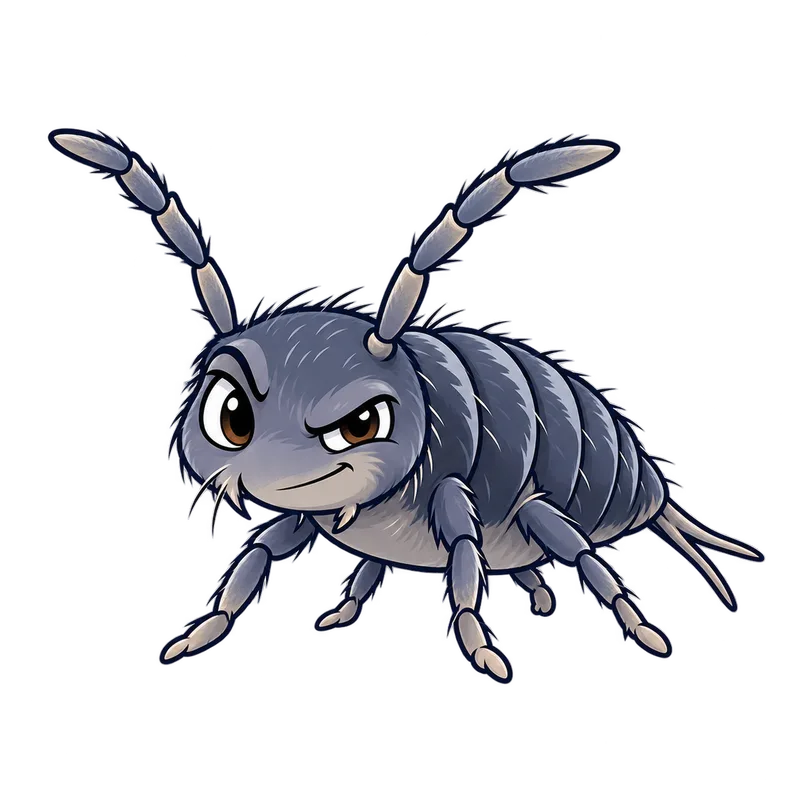
To tell springtails from fleas, you need to examine the physical creature under magnification because both insects jump when disturbed. Fleas are parasitic and measure less than 4 mm with a dark brown shell flattened from side to side, while springtails are harmless moisture-loving hexapods that feed on decaying organic matter.
What is actually going on
You walk into the basement after a few weeks away, take three steps across the concrete, and suddenly notice dozens of tiny specks bouncing around your ankles. Naturally, your mind immediately goes to fleas. You start imagining your cat or dog bringing home an unwelcome army, or worse, that you are about to deal with a full-blown household infestation. But before you run out to buy heavy-duty sprays or banish the pets to the porch, it takes a moment to look closer at what is actually hopping around your baseboards.
The truth is, not every tiny bug that jumps indoors is out for your blood. While fleas are notorious for hitching rides on warm-blooded hosts and leaving itchy red welts in their wake, houses often harbor entirely different jumping organisms that could care less about biting you. Springtails, for instance, are tiny, harmless hexapods that occasionally wander indoors looking for moisture. They jump when disturbed, much like fleas do, which leads many people to misidentify them.
The trouble starts when people try to play detective based solely on a cluster of itchy bumps on their legs. Trying to figure out what kind of bug you have by looking at a skin reaction is a bit like trying to diagnose a strange noise coming from your car engine by looking at a dented bumper. It just does not work that way. Medical professionals and pest experts agree that skin reactions are entirely too variable to serve as a reliable diagnostic tool. To know for sure whether you are dealing with a parasitic flea or a harmless moisture-loving visitor, you need to look at the physical creature itself under some form of magnification.
How to tell for sure
Telling a flea apart from other small jumpers usually comes down to a few distinct physical traits. Fleas are tiny, usually measuring less than 4 mm in length, and they feature a dark brown or reddish-brown shell. If you could look at a flea under a magnifying glass, you would notice its body is laterally compressed, meaning it is flattened from side to side like a surfboard on edge. This narrow, vertical profile lets them slip easily through dense pet fur or deep carpet fibers. They also have enlarged hind legs built for jumping up to 30 cm, but they lack wings entirely and usually crawl rapidly when they are not making a leap.
Springtails look and move differently once you get past the initial jump. While they also use a specialized springing mechanism to launch themselves into the air, they usually do it using a tail-like abdominal appendage under tension rather than oversized hind legs. More importantly, springtails do not possess blood-piercing mouthparts. They cannot bite humans or pets, and they survive by feeding on decaying organic matter and mold in damp spaces rather than vertebrate blood.
If you want to be certain about what you are looking at, you usually have to capture a specimen safely. Do not try to crush a tiny jumping bug between your fingers. Instead, dab it gently with a piece of clear adhesive tape, or coax it into a small glass vial. Placing the container in the freezer overnight will usually kill the insect without distorting the anatomical features you need for identification. Once it is safely contained, a standard 10x hand lens or microscope can usually reveal whether you are looking at a side-flattened parasite or something else entirely.
What usually comes next
Once you have a clearer idea of what is bouncing around your floors, you usually need to make a practical decision about sanitation and management. If you suspect fleas, your first line of defense should usually be mechanical removal rather than a heavy chemical assault. Thoroughly vacuuming your carpets, rugs, baseboards, and upholstered furniture physically removes adult fleas, eggs, larvae, and the organic debris they feed on. Right after you finish vacuuming, seal the vacuum bag tightly and take it straight to an outdoor trash can to keep any survivors from making their way back inside.
You will also want to wash any pet bedding in hot water and check in with a licensed veterinarian to discuss safe, effective on-animal preventatives if you have dogs or cats. Fleas have a stubborn lifecycle featuring silken cocoons that can remain dormant for months in floor cracks or carpet pile. These pupae often stay in a sort of sleep mode until the physical vibration of footsteps or the warmth of a human presence wakes them up all at once, which explains why an empty room can suddenly seem overrun the moment you move back in. Breaking that cycle usually demands a combination of regular cleaning, laundering, and proper pet care rather than a single quick fix.
When to get help
There are times when handling a jumping pest problem yourself stops being practical and starts requiring outside help. If you are dealing with a severe, persistent indoor infestation, or if the pests are clearly migrating into your living spaces from wild animal nests in the attic, chimney, or subfloor, it is usually time to bring in a licensed structural pest control operator. Professionals can safely manage wildlife exclusion, structural sanitation, and targeted treatments that comply with local pesticide regulations.
Regarding your health, keep in mind that a blog post or a home inspection cannot replace medical advice. Never attempt to diagnose skin bites or prescribe treatments on your own. Anyone presenting with severe allergic reactions, widespread hives, open skin sores from scratching, or signs of a secondary bacterial infection needs to consult a licensed clinician, urgent care center, or poison control authority immediately. Similarly, never apply household or structural pesticides directly onto domestic pets, as on-animal treatments require specific veterinary guidance and registered products to keep animals safe.