
Do springtails bite?
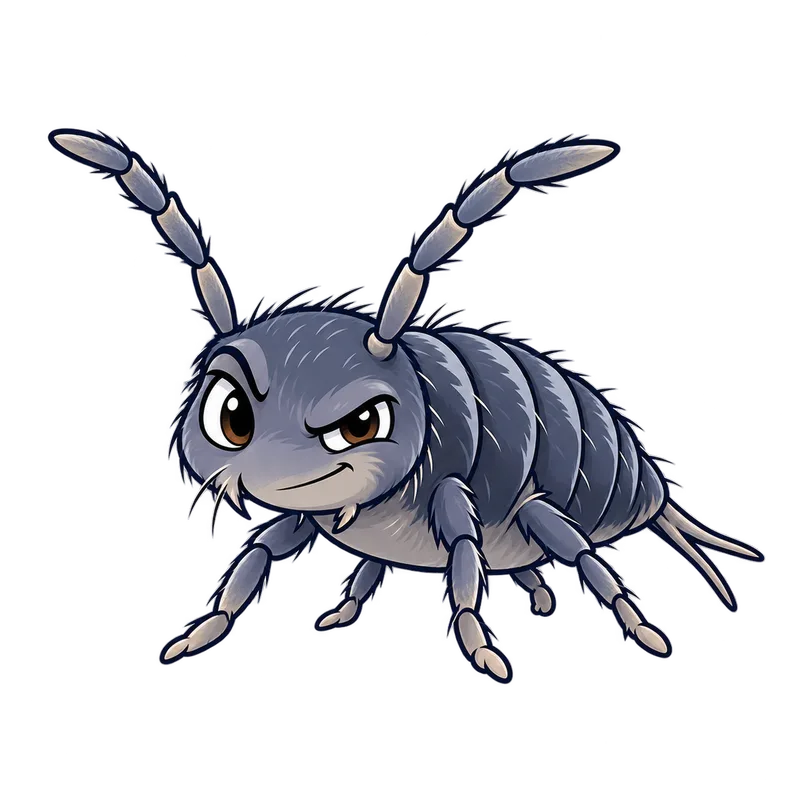
No, springtails do not bite because they lack fangs, stingers, and mouthparts designed to pierce human skin or feed on blood. Measuring 1 to 3 mm in size, these tiny pests survive entirely on decaying plant matter, fungi, and mold. They pose zero physical threat to people or pets, though heavy aggregations can cause a mild tickling sensation.
What is actually going on
You step out of the shower on a Tuesday morning, glance down at the bathmat, and notice a dozen tiny grey specks popping through the air like miniature popcorn. Naturally, your first thought might involve whether those little jumpers are about to make a meal out of your ankles. After all, anything that moves that fast inside the house usually inspires a bit of caution, especially when it seems to land right where you are standing barefoot.
Here is the straightforward answer: springtails do not bite. They have no fangs, no stingers, and no mouthparts designed to pierce human skin or feed on blood. If you have ever wondered why they are wandering around your indoor spaces, the answer has nothing to do with hunting you or looking for a host. They simply found a pocket of moisture that caught their attention.
Instead of blood or animal protein, springtails survive entirely on decaying plant matter, microscopic fungi, mold, and bacteria. Their internal chewing mouthparts are built strictly for scraping microscopic growth off damp surfaces in soil and leaf litter. Because they lack any biological mechanism for blood-feeding, you can rest easy knowing they pose zero physical threat to you, your children, or your pets, no matter how many of them you spot.
Why do they show up in your bathroom or basement in the first place? Think of them as living moisture alarms. Springtails require high relative humidity to keep their delicate bodies from drying out. When heavy rain saturates the soil outside, or when a dry spell bakes their outdoor home, they go looking for a safer microclimate. They slip through tiny gaps near your foundation simply to find the dampness they need to survive, not because they have any interest in your living room.
How to tell for sure
People often assume a bug is biting simply because it is crawling around indoors, but matching an itch to an insect is a guessing game. A red bump on your skin usually points to a completely different environmental factor, such as dry air, household dust mites, or an unrelated allergy, rather than a tiny hexapod that lacks the tools to puncture your skin. Jumping to conclusions about bites only leads to frustration when the actual source of the skin irritation remains completely untouched.
To figure out if you are actually looking at springtails, you usually need to observe how they move and what they look like up close. Springtails measure roughly 1 to 3 mm, which is little more than an eighth of an inch, and their colors range from pale white to grey or dark brown. They are so small that they easily blend in with grout lines or dust particles unless you catch them in motion.
The giveaway behavior is their primary party trick. When you approach them, they usually propel themselves into the air using a fork-like spring mechanism tucked under their abdomen. They act a bit like a tiny jack-in-the-box released under tension, which distinguishes them from slow-moving booklice or fast-running mites that cannot jump.
If you want to be completely certain, a 10x hand lens helps you spot their distinct shape and lack of wings. When numbers are overwhelming, heavy aggregations crawling across bare skin can sometimes cause a mild mechanical tickling sensation, but that tickle involves zero venom, zero tissue damage, and zero actual biting.
What usually comes next
Since these creatures cannot harm you, your main decision comes down to how you want to handle the underlying moisture issue that invited them inside. Reaching for a chemical spray without addressing the dampness usually fails because the pests will simply return the moment the humidity creeps back up. Treating the symptoms while ignoring the leaky pipe or damp crawlspace is just an expensive way to buy temporary peace of mind.
Your most effective practical step is to lower the relative humidity in the affected area below 50% using a dedicated dehumidifier. Springtails cannot survive in dry indoor air, and stripping away their preferred moisture level causes them to perish naturally within a few days.
Pairing that humidity drop with a thorough cleanup using a vacuum helps remove any existing populations from baseboards or window sills. Once you secure the space by drying out the damp microclimate, the springtails simply vanish on their own without requiring harsh chemical interventions or endless hours of searching for hiding spots.
When to get help
There are times when a pest situation crosses the line from a simple DIY moisture fix into territory that calls for outside expertise. If you experience persistent skin inflammation, painful lesions, or severe itching that does not go away, you need to consult a primary care clinician or a dermatologist for a proper medical evaluation. Skin reactions can stem from hidden allergens, mold exposure, or true biting pests like fleas or bed bugs, and a healthcare provider is the only one equipped to address health concerns safely.
When tiny invaders are too small to identify with confidence, or when an infestation persists despite your best efforts to dry out the space, bringing in a licensed pest control professional makes good sense. They can accurately identify the organism, trace hidden structural leaks behind walls, and handle any complex pesticide applications safely according to federal label mandates. Trying to guess your way through a stubborn moisture problem or a mystery skin issue rarely pays off when experienced help is available.