
Black vs white springtails: what is different?
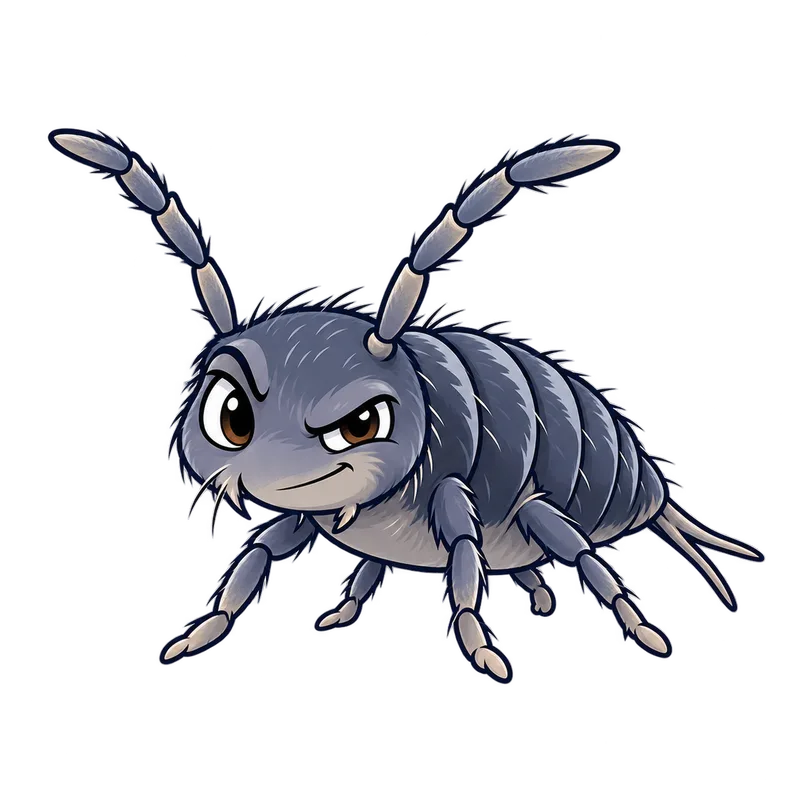
Black springtails and white springtails differ mainly in their coloration and where they live, with pale species staying in deep soil or dark plumbing voids and darker ones living on surface mulch or patio slabs. Both belong to the same group of wingless creatures and share the same diet. Color simply depends on sunlight exposure.
What is actually going on
Imagine walking into your bathroom on a humid Tuesday morning, catching a glimpse of what looks like pepper sprinkled across the edge of the sink, and then watching the entire mess launch itself into the air like a handful of microscopic popcorn. You might wonder if you are dealing with two different pests because some of those tiny jumpers are pale and ghostly while others look like specks of charcoal. A friend might tell you one kind is dangerous and the other is harmless, but that is not how it works.
Black springtails and white springtails belong to the exact same primitive group of wingless creatures known scientifically as Collembola. They share the same basic anatomy, the same general diet of mold and decaying organic matter, and the same desperate need for moisture. The color difference comes down to where a specific species evolved to live and how much sunlight or exposure it faces. Pale or translucent white springtails usually hang out in deep soil layers, dark plumbing voids, or the damp earth of a potted houseplant where dark pigmentation serves no purpose. Dark gray or black springtails usually live on surface leaf litter, bark, mulch, or concrete patio slabs where darker shades protect them from environmental exposure.
Neither variety bites humans, neither carries diseases, and neither gnaws on your wood framing or chews holes in your clothes. They are essentially tiny, soft-bodied detritivores that feed on fungal spores, algae, and bacteria. When outdoor soils become completely saturated from heavy spring rains or dried out to a crisp during summer droughts, these outdoor populations look for a safer place to live and accidentally wander into your house. Finding them indoors means they found a damp spot they like, not that your home is falling apart.
How to tell for sure
Spotting a springtail usually involves three levels of observation, starting with what you can see without any tools. They measure anywhere from one thirty-second to three-sixteenths of an inch long, appearing as tiny specks of white, gray, or black. The dead giveaway for any springtail is its behavior. When you approach, touch, or blow a puff of air near them, they instantly vanish by launching themselves forward using a specialized, forked appendage on their underside called a furcula. This tail-like spring acts like a built-in springboard that snaps against the ground to fling the creature out of harm's way, which instantly separates them from non-jumping pests like booklice or mites.
If you grab a magnifying hand lens, you usually see a wingless, elongate or rounded body lacking the scales found on silverfish. Differentiating exact species under a microscope requires looking at tiny bristle arrangements, but for household purposes, exact species identification rarely changes your next move. If it is tiny, lacks wings, and flings itself into the air when disturbed, you are looking at a springtail, regardless of whether it looks black or white.
What usually comes next
Spraying a can of standard aerosol pesticide across your baseboards usually feels satisfying, but it rarely solves the problem on its own. Because springtails lack a waxy outer layer to hold moisture in, indoor air with relative humidity dropping below forty-five or fifty percent causes them to dry out and die rapidly. If you find them congregating near tile drains, shower stalls, or window sills, the most practical decision you can make is to lower the humidity and dry out their environment.
You usually need to run dehumidifiers in damp basements or crawlspaces, improve bathroom ventilation by running exhaust fans longer after showers, and fix minor plumbing leaks under the sink. If you brought a potted plant indoors for the winter and notice a sudden surge of jumpers around the saucer, let the soil dry out between waterings instead of keeping it perpetually soaked. Vacuuming up active groups with a standard vacuum cleaner gives you an immediate physical removal option, provided you empty the bag or canister outside afterward. Sealing exterior gaps around foundation cracks and pulling mulch beds a few feet away from your siding will help keep outdoor populations from crossing the threshold in the first place.
When to get help
While springtails themselves are harmless nuisance pests, they serve as living moisture detectors for your home. If you have lowered your indoor humidity, sealed your cracks, and fixed your ventilation, yet large numbers of springtails keep showing up week after week, you are usually dealing with a hidden moisture source that requires a professional.
Call a licensed plumber or a building contractor if those persistent numbers point toward a hidden pipe leak behind a wall, a leaking shower pan, or rotting subfloors that are creating a permanent indoor breeding ground. Involving a licensed pest management professional makes sense if you need large-scale structural exclusion or specialized perimeter treatments for severe, recurring migrations that outdoor landscaping changes cannot stop.