Cotton / melon aphid
Aphis gossypii
- Size
- Approximately 1/10 inch (2.54 mm)
- Color
- Green, black, gray, brown, pink, red, yellow, or lavender
- Habitat
- Foliage, young shoots, leaf buds, and leaf undersides on plants
- Diet
- Plant sap sucked directly from the vascular system
- Life cycle
- Eggs, nymphs maturing in about 10 days, and adults living 2 to 3 weeks
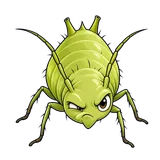
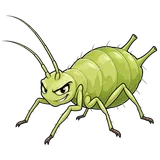
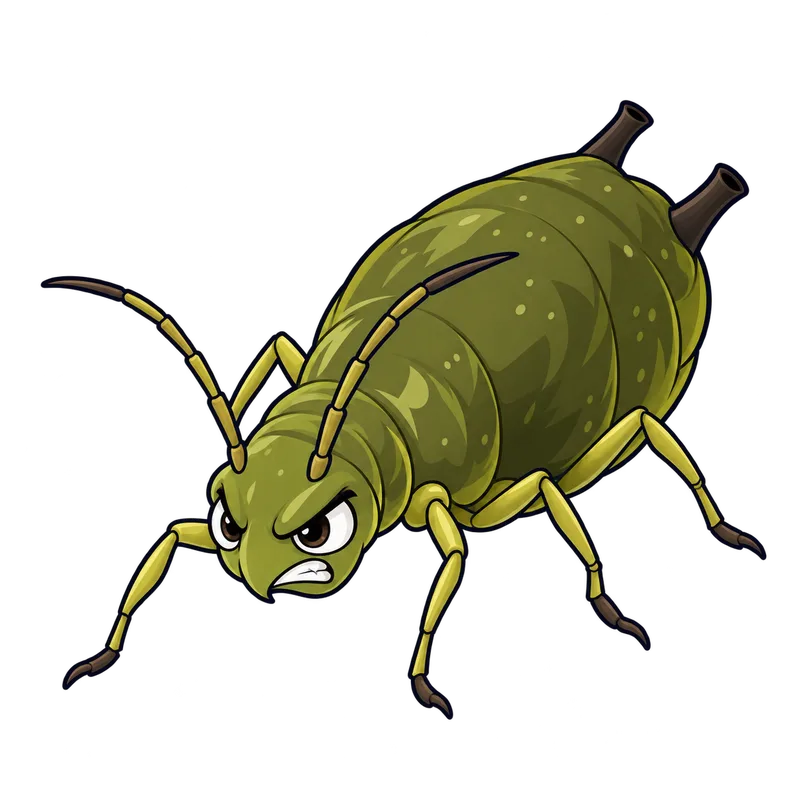
The cotton or melon aphid is a soft-bodied, pear-shaped insect that demands a bit of optical aid if you want to inspect its finer details. At roughly 2.54 mm long, you can spot the body clusters with your naked eye on the undersides of leaves or along tender new stems, but confirming exact species traits calls for a hand lens or a 10x magnifier. Look closely through the glass and you will find a pair of dark tubular structures called cornicles projecting backward from the posterior abdomen, alongside multi-segmented antennae and a slender piercing beak tucked beneath the head.
Identity
Separating this species from other common plant pests often comes down to color and texture. Unlike the pinkish body of the rosy apple aphid or the bright green hue of the green apple aphid, the cotton or melon aphid displays a remarkably broad palette ranging from green and black to gray, brown, pink, red, yellow, or lavender. If you notice a thick, white, waxy, or cottony wool covering the insect, you are looking at the woolly apple aphid rather than our subject, which remains naked and unadorned. Similarly, distinguishing these foliar pests from root-feeding species requires checking where they gather, as the melon aphid sticks to the upper plant parts rather than subterranean roots.
This species is wonderfully unfussy about its menu, setting up housekeeping across a remarkably wide range of agricultural crops, vegetable gardens, fiber plants, and indoor ornamentals. You will find them concentrating on citrus, strawberries, cantaloupes, tomatoes, cotton, and countless backyard flowers, tapping directly into the plant vascular system with their slender mouthparts. Spring warmth triggers overwintered populations to wake up, and winged females soon take flight to colonize fresh, succulent growth as it emerges outdoors.
As these insects feed on plant sap, they process large volumes of liquid and excrete a clear, sticky waste product known as honeydew. This sweet substance coats the leaves and fruit below, quickly drawing ants and serving as a breeding ground for black sooty mold. While indoor houseplants and greenhouse crops can harbor populations year-round, outdoor colonies thrive during warm mid-summer weather through a relentless cycle of overlapping generations.
Habitat & behaviour
Life stages move through eggs, nymphs, and adults, keeping the summer routine strictly female. Nymphs look like tiny, wingless copies of the older bugs, shedding their skins multiple times while feeding in the exact same spot beneath the leaves. Adults show up in two distinct styles depending on how crowded the plant is and what the weather is doing.
Wingless females run the show during warm summer weeks, functioning as high-speed reproduction units without ever growing a set of flight gear. When a colony gets too cramped or the seasons start to shift, winged females develop transparent, membranous wings that fold tent-like over their backs so they can float off to fresh plants. Males are mostly missing during the productive growing season because these summer females reproduce through parthenogenesis, which is just a fancy way of saying they give birth directly to live young without needing a mate.
Visual variations
Heavy feeding pressure from an aphid crowd causes direct physical damage, leading to yellowing leaves, curling, puckering, and severely stunted new shoots. Indirectly, the sticky honeydew and the black sooty mold that follows ruin the look and the market value of your crops and ornamentals. Beyond just stealing plant sap, this species also works as a confirmed vector for the Pea enation mosaic virus, a pathogen that causes vein flecking and pod blisters in legumes and stays inside the insect for its entire life.
Despite their talent for damaging plants, these aphids bring zero medical risk to people or household pets because they do not bite, sting, or carry human diseases. Spotting a few individuals on a garden plant rarely calls for an immediate chemical spray, especially since helpful predators like lady beetles, lacewings, and tiny parasitic wasps often keep the numbers down. You can easily spot the work of those wasps by searching for swollen, bronze-colored aphid husks, which let you know that natural pest control is already handling the job in your yard.